In a commercial kitchen, a utility cart is not just used for moving items from one place to another. It supports daily food preparation, tableware handling, ingredient transfer, cleaning work, and service flow.
Yes, stainless steel griddle plates can be customized for different cooking needs, grill sizes, commercial kitchens, and wholesale projects. For B2B buyers, customization is not only about changing the size. It also affects product durability, cooking performance, packaging, and market positioning.
Ordering GN pan lids in bulk looks simple, but sizing mistakes can create real problems for distributors, catering suppliers, hotel equipment buyers, and commercial kitchen wholesalers. A lid that does not fit properly may leave gaps, slide during service, lose heat faster, or fail to match the customer’s existing food pans.
For distributors, choosing the right food pan sizes is not only about filling a catalog. It affects customer satisfaction, repeat orders, stock turnover, and after-sales problems.
For commercial beverage service, the valve is a small part, but it directly affects dispensing speed, leakage control, hygiene, and daily operating efficiency.
Food waste in commercial kitchens is rarely caused by one big mistake. More often, it comes from small problems repeated every day. Soup burns slightly at the bottom during one batch. Sauce reduces too fast in another. Heat spreads unevenly, so staff stir more, monitor more, and still lose part of the product. Over time, those small losses become real cost pressure.
This is why more professional kitchens are switching to a commercial soup warmer instead of relying on traditional pots or repeated reheating. It brings temperature control directly to the serving area and helps maintain consistency when demand is at its highest.
A well-designed stainless steel chafer is not only a display piece for service. It plays a direct role in heat retention, food safety, presentation consistency, and cost control. For banquet operators, hotel buyers, catering suppliers, and foodservice distributors, this is a practical purchasing decision tied closely to labor efficiency and margin protection.
In commercial kitchens, efficiency is not just about speed. It is about reducing unnecessary handling, maintaining food quality, and controlling hidden costs. One of the most overlooked problems in daily operations is poor draining.
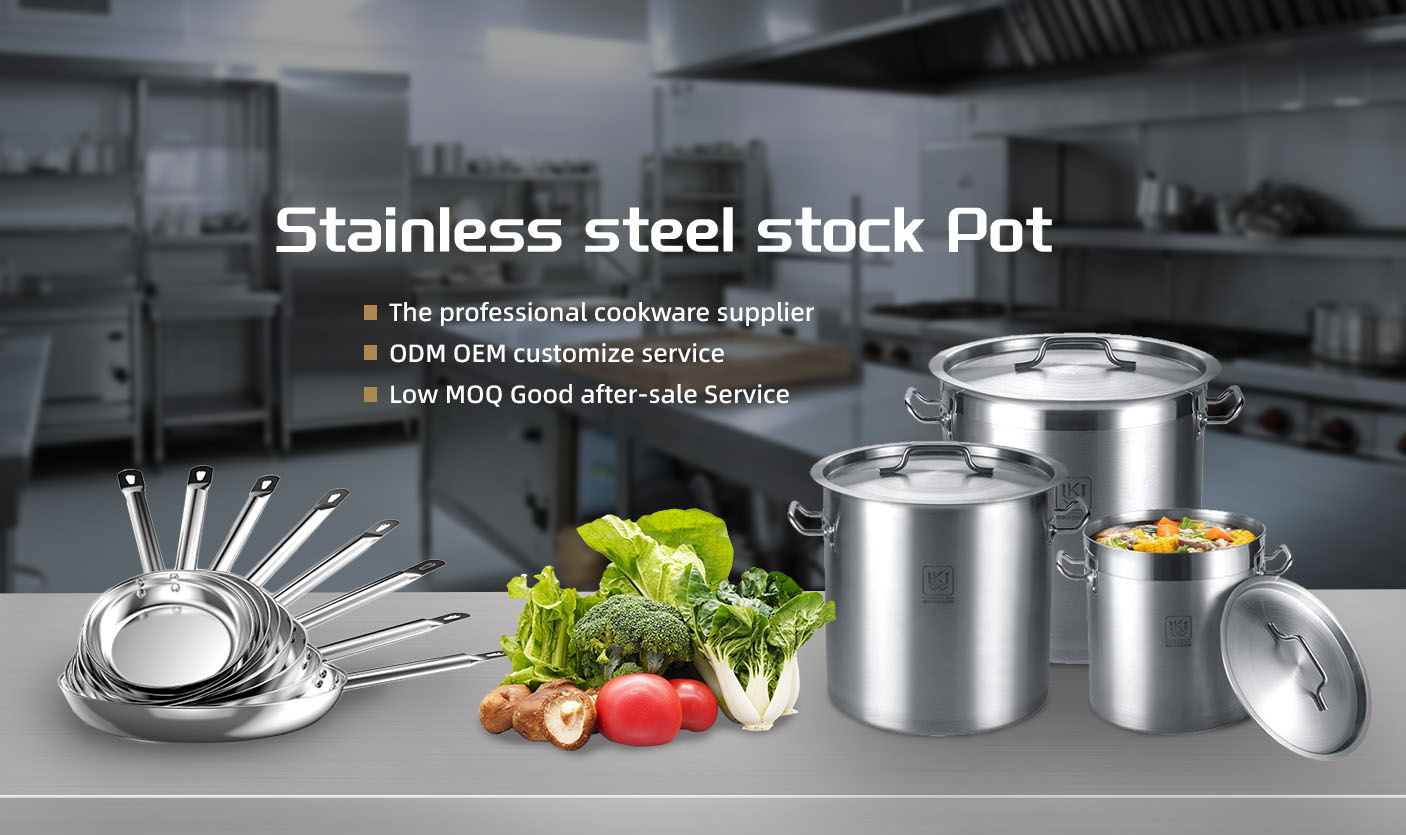
Efficiency in food service is not only about speed. It is about how smoothly work flows from preparation to serving, how safely staff handle hot liquids, and how consistently products are delivered. In this process, equipment design plays a critical role. A well-designed stock pot with spigot can significantly improve daily operations by reducing unnecessary handling and simplifying liquid dispensing.