kelley@u-kitchenwares.com
+86-15819924651
+86-0750-3719388

Choosing the right food container for a business requires matching the material, dimensions, temperature range, lid, handling method, and cleaning process to the actual food workflow. Start with the application, then select the container—not the other way around.
A restaurant storing chopped vegetables has different requirements from a hotel buffet, bakery, central kitchen, beverage station, or off-site caterer.
Record whether the product is dry, wet, acidic, oily, strongly colored, frozen, hot, or odor-sensitive. Also consider whether it contains allergens that require controlled separation.
Liquids need more secure containment. Prepared sauces may demand lids and careful stacking. Delicate baked products need shallow containers that prevent crushing.
Write down every temperature stage the container will encounter:
Ambient preparation
Refrigeration
Freezing
Oven or steamer use
Hot holding
Vehicle transport
Dishwasher cleaning
A material suitable for chilled storage may not be suitable for direct heating. Covers can also have different temperature limits from the stainless steel pans beneath them.
Standardized containers improve compatibility between worktables, refrigerators, racks, steamers, buffet counters, and service carts.
Our GN container range includes fraction sizes from large-format pans to smaller ingredient pans, with multiple depths. For North American equipment, verify whether US steam-pan dimensions are required instead of European GN sizing.
Do not order from photos alone. Confirm top dimensions, depth, corner radius, rim style, lid fit, and intended equipment.
Solid pans hold liquids and general ingredients. Perforated pans allow drainage or steam passage and can be used for produce, steaming, or food that should remain separated from liquid.
Hole diameter, pattern, and open area affect drainage. The matching solid pan may also be needed underneath to collect liquid.
Stainless steel is widely used in professional foodservice because it supports repeated cleaning and a broad range of kitchen operations. Buyers should still verify the specified grade, thickness, edge finish, forming quality, welds where used, and surface condition.
Thicker is not automatically better. Excess thickness raises weight and cost, while insufficient thickness may lead to distortion. The right construction depends on pan size, depth, loading, and handling frequency.
Flat lids support stacking, while notched lids may accommodate utensils. Silicone Covers can help with storage organization when they match the pan and application.
Handles improve lifting but may interfere with racking or create cleaning points. Large stock pots and insulated barrels require handle attachment that matches their filled weight.
No lid should be assumed leakproof unless the product is specifically designed and verified for liquid transport.
Purchase price is only part of container cost. Include:
Washing labor
Drying and storage space
Replacement frequency
Lid loss
Transport damage
Carton and freight volume
Compatibility with existing equipment
Time spent transferring food
Availability of repeat sizes
A standardized stainless steel system may reduce transfers and replacement confusion even when its initial price is higher than mixed, non-compatible containers.
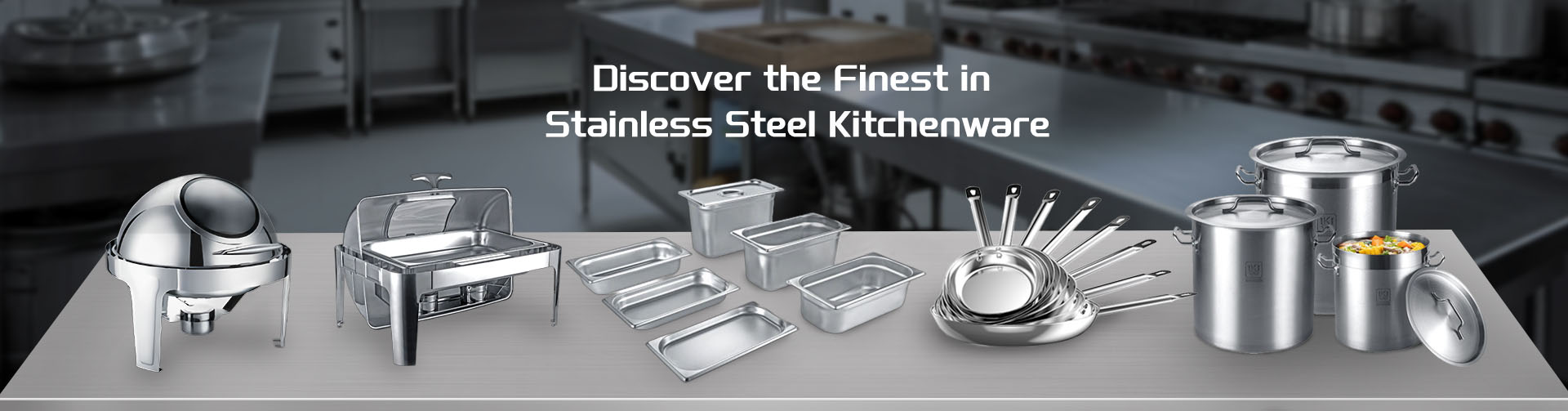
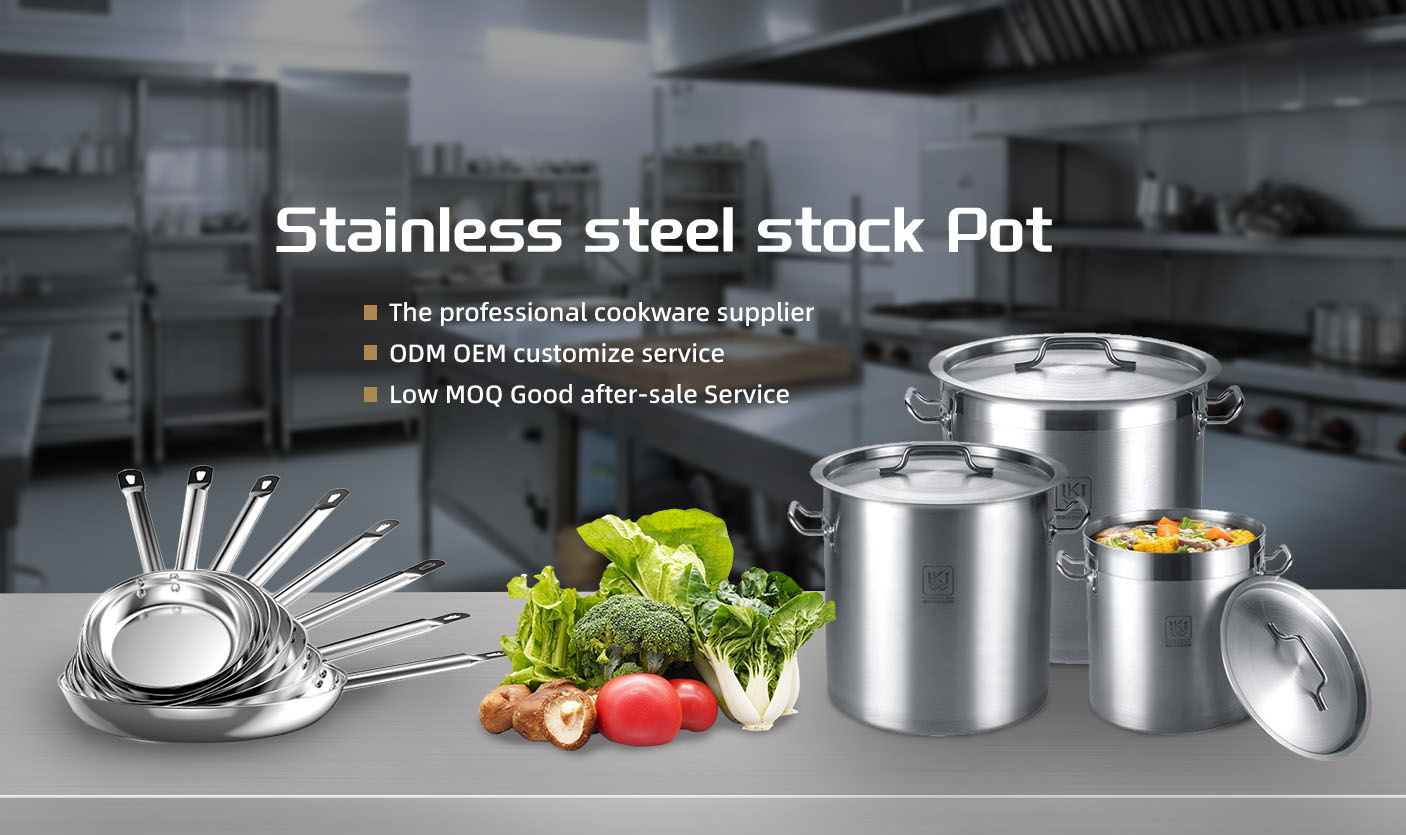
Our factory supplies gn pans, us steam pans, perforated food containers, stock pots, sauce pots, insulation barrels, Chafing Dishes, beverage dispensers, and stainless steel trolleys. We manufacture these products for restaurants, hotels, buffet suppliers, caterers, distributors, and commercial kitchen projects.
As a reliable export supplier of stainless steel food containers, we can review pan system, fraction size, depth, thickness, finish, lid format, perforation, branding, packing quantity, and order mix. OEM and ODM services are supported by product design, mold-making, forming, assembly, and inspection capabilities within our production operation.
Place the sample in the actual refrigerator, rack, warmer, trolley, and washing equipment. Check nesting, lid fit, edge comfort, drainage, filled lifting, stability, and cleaning access.
The right food container should reduce handling rather than add another transfer step. A clear process map and physical compatibility test provide a stronger purchasing decision than material or price comparisons alone.