Food trucks depend heavily on where customers are and how willing they are to wait outdoors. Weather, daylight, school terms, tourism, festivals, and local events can change sales even when the menu remains the same.
Most people make their own eating decisions, but those decisions are shaped by the food available around them. Manufacturers decide how products are formulated. Retailers influence which items are visible and affordable. Restaurants determine portion size, preparation methods, and menu combinations.
A food business usually begins with a product idea, but the idea alone is not enough. A popular dish can still become an unprofitable business when portions are inconsistent, preparation takes too long, or the kitchen cannot handle the busiest service period.
A traditional chafing dish generally needs enough hot water to cover the bottom of the water pan by approximately 1 to 2 inches, or about 2.5 to 5 centimeters.
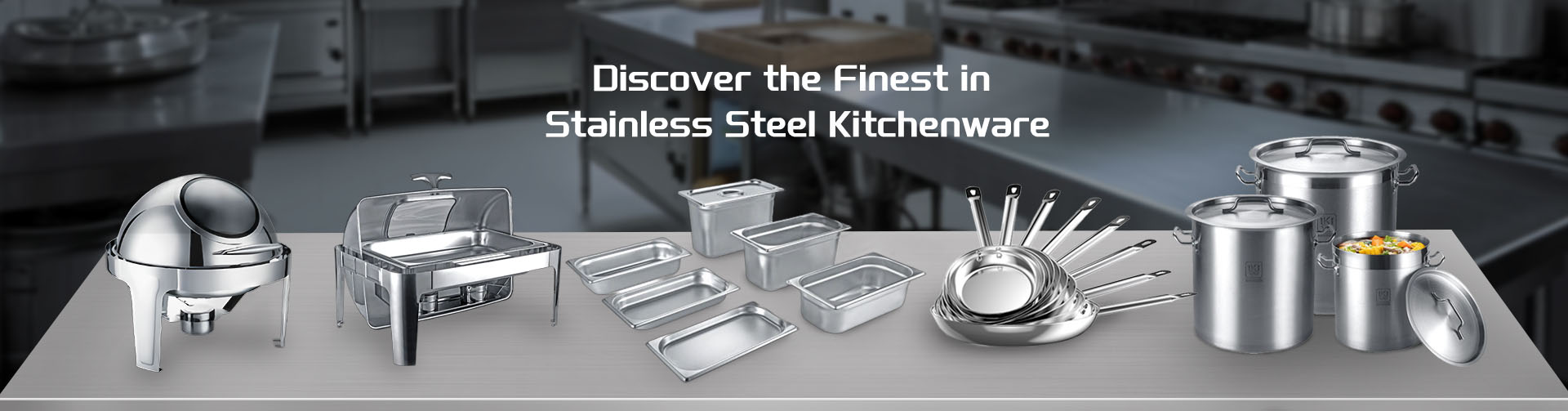
Chafing dishes are food-service containers designed to keep cooked food warm during buffets, banquets, hotel breakfasts, catered events, and self-service meals.
An Instant Pot or similar electric multicooker can reheat soup, but the best method depends on the soup’s thickness, starting temperature, quantity, and appliance model.
Soup made in a crock pot can remain thinner than expected because the covered cooking environment allows very little moisture to escape. Vegetables may also release water during cooking, while frozen ingredients and high-moisture meats can further dilute the broth.
In buffet operations, food presentation often receives the most attention during equipment purchasing. However, many restaurant operators, hotel catering teams, and buffet managers discover a different challenge after installation. The equipment may keep food warm effectively, but cleaning it every day consumes far more labor than expected.
Kitchen equipment distributors are finding it tougher than ever to stand out in a crowded market. With so many similar slow cookers available, many distributors are stuck competing mainly on price, which keeps squeezing their margins year after year.