kelley@u-kitchenwares.com
+86-15819924651
+86-0750-3719388

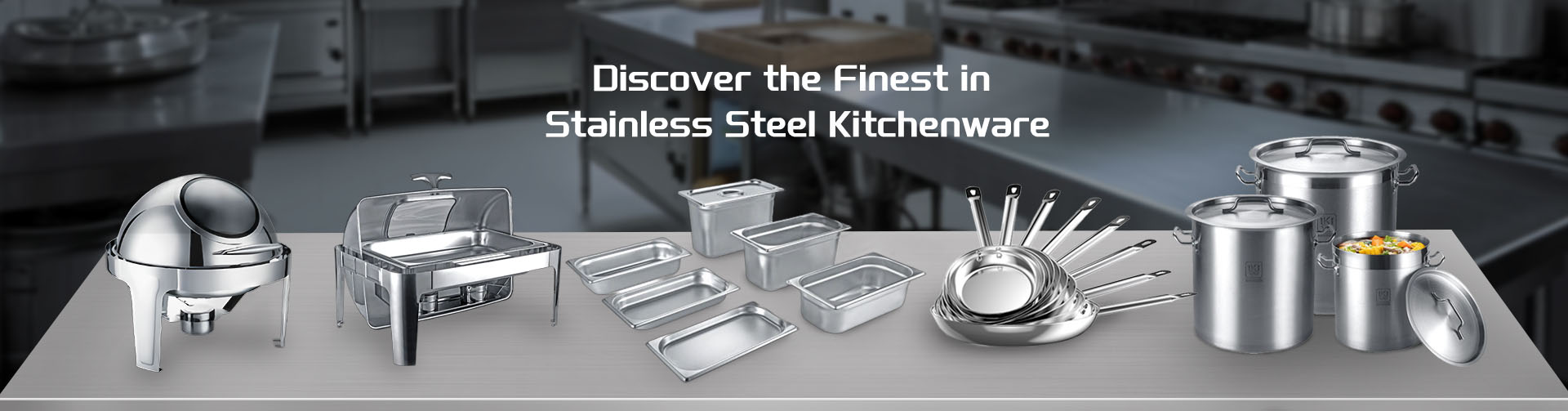
Containers for food are commonly called food containers, food storage containers, food pans, steam-table pans, gastronorm containers, ingredient bins, stock pots, insulated food carriers, or serving containers. The correct term depends on what the container does and which foodservice market uses it.
Professional kitchens often use more specific names than households. Calling every item a “food container” can result in the wrong size, lid, depth, heating compatibility, or transport performance being ordered.
| Name | Main Function | Typical Setting |
|---|---|---|
| GN or gastronorm pan | Preparing, storing, cooking, holding, and displaying food | Hotels, restaurants, buffets, catering kitchens |
| Steam-table pan | Holding and serving food in compatible steam tables | Commercial kitchens and serving lines |
| Food storage container | Refrigerated, frozen, or dry storage | Restaurants and food preparation areas |
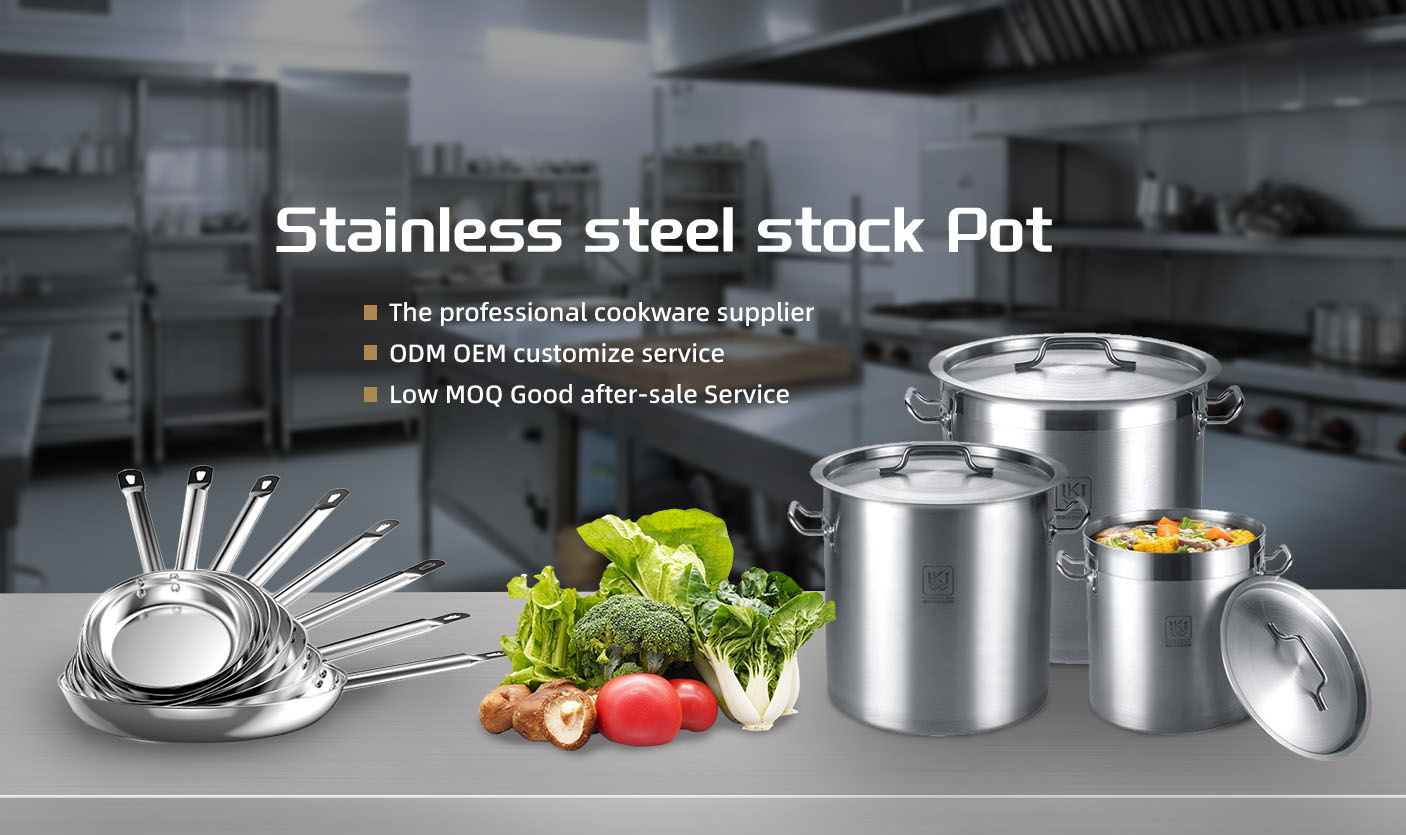
| Stock pot | Cooking soups, stocks, pasta, and large batches | Production kitchens |
| Insulated food container | Reducing temperature loss during holding or transport | Catering and central kitchens |
| Chafing Dish | Buffet presentation and hot holding | Hotels, banquets, events |
| Ingredient bin | Bulk dry-ingredient storage | Bakeries and high-volume kitchens |
GN stands for Gastronorm, a modular food-pan sizing system used across professional kitchens. GN pans are available in fraction sizes such as 1/1, 1/2, 1/3, 1/4, 1/6, and 1/9, together with different depths.
The system allows smaller pans to be arranged within equipment designed around a larger GN footprint. This makes menu changes, preparation, storage, and buffet layout easier to organize.
Our European-style GN pans are made from 304 stainless steel and offered in multiple sizes and depths. Solid and perforated formats serve different food-handling tasks.
The terms overlap, but they should not always be treated as identical. “Steam-table pan” is widely used in North American foodservice, while “GN pan” usually refers specifically to Gastronorm modular dimensions.
European GN and US steam-pan systems may differ in dimensions and corner profiles. A pan that looks similar may not fit a particular well, lid, rack, or chafing dish correctly. Buyers should specify the required system before placing an order.
Used for mise en place, marinating, portioning, or temporary ingredient holding.
Contains holes that allow liquid or steam to pass. It may be used for draining produce, steaming, or separating food from accumulated liquid.
A common foodservice term for rectangular metal pans used in hotel, restaurant, institutional, and catering operations. The exact dimensions should still be stated.
Placed in a warming system or chafing dish to hold prepared food. The heat source and pan should be compatible.
A larger container designed to reduce heat loss during holding or service. Models with taps may be used for beverages or suitable liquids, depending on their design.
A request for “100 food containers” does not provide enough information for a reliable quotation. The supplier still needs:
Standard system
Fraction size
Depth
Capacity
Solid or perforated format
Stainless steel grade
Lid type
Edge style
Intended temperature
Equipment compatibility
Packaging quantity
Precise names reduce sampling errors and make future reordering easier.
Our factory produces GN pans, steam pans, Silicone Covers, perforated food pans, stainless steel pots, heat-preserving barrels, chafing dishes, Soup Kettles, buckets, and service carts. These products support professional kitchens, hotels, restaurants, catering companies, buffet operators, and food-processing environments.
For buyers searching for a stainless steel food container OEM/ODM manufacturer, our team can review drawings, pan standards, size combinations, depth, finish, perforation, branding, and retail or project packaging. We control product development from design and mold preparation through forming, assembly, and finished-product inspection.
“Food container” is the broad term. “GN pan,” “steam-table pan,” “stock pot,” “insulated barrel,” and “chafing dish” communicate far more about the expected application.
When purchasing commercial food containers, pair the correct name with dimensions and intended equipment. That information prevents a familiar term from hiding an expensive compatibility problem.
Previous: What Are Catering Containers?