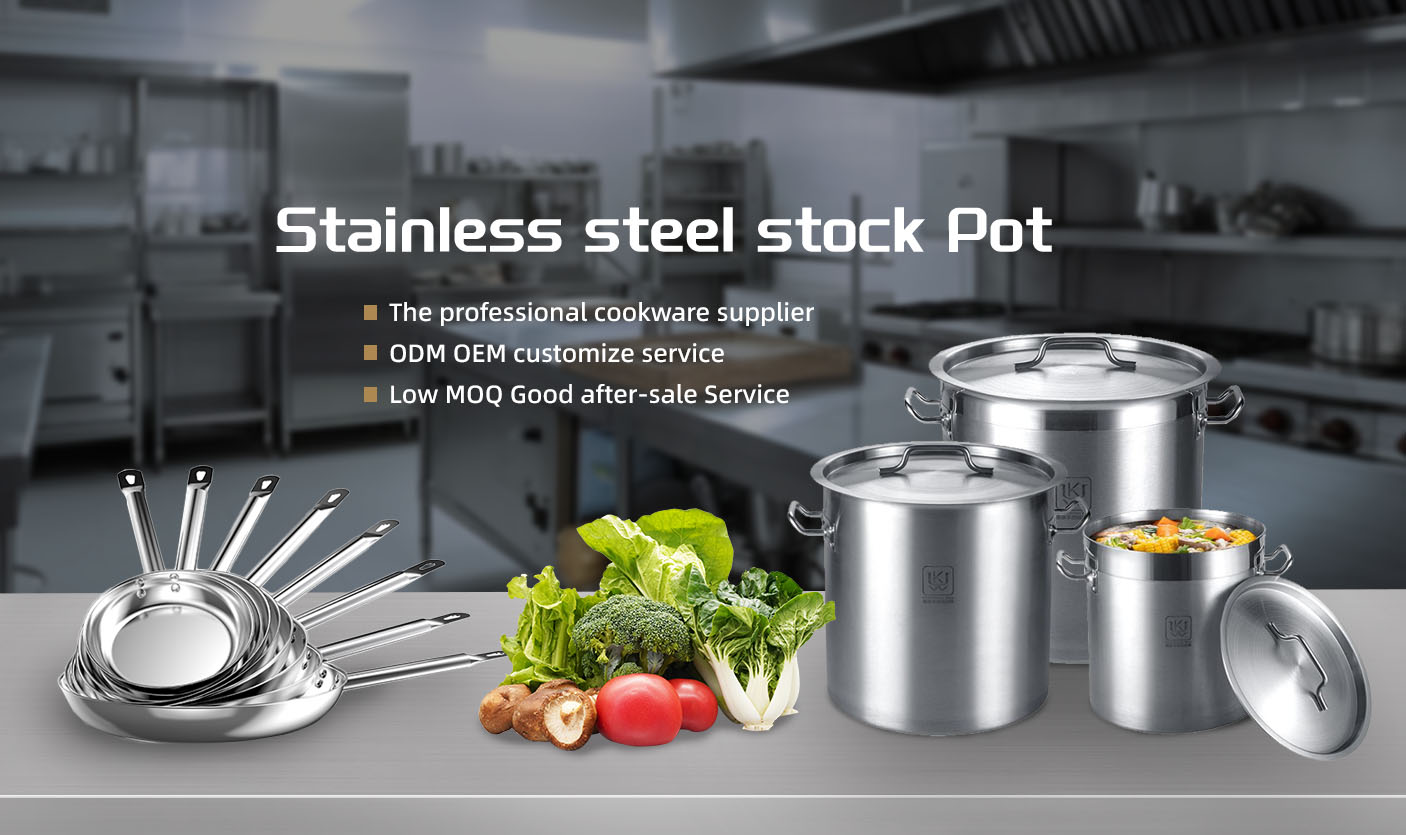
A stewpot and a stockpot are both deep cooking vessels, but they are designed for different cooking methods. A stewpot is generally used for slow-cooking meat, vegetables, sauces, and thick dishes.
Frying pans, skillets, and sauté pans are often grouped together, but their structures are designed for different cooking tasks. A frying pan normally has low, sloped sides.
The key difference between a wok and a frying pan is the shape of the cooking surface. A wok has deep, sloped sides and is designed for tossing, stir-frying, steaming, and cooking with concentrated heat.
A good frying pan should heat evenly, remain stable on the stove, resist deformation, provide a comfortable grip, and match the cooking habits of its intended users.
A frying pan is a shallow cooking vessel with a flat bottom, low sides, and a long handle. It is designed for frying, sautéing, searing, browning, and reheating food with a relatively small amount of oil.
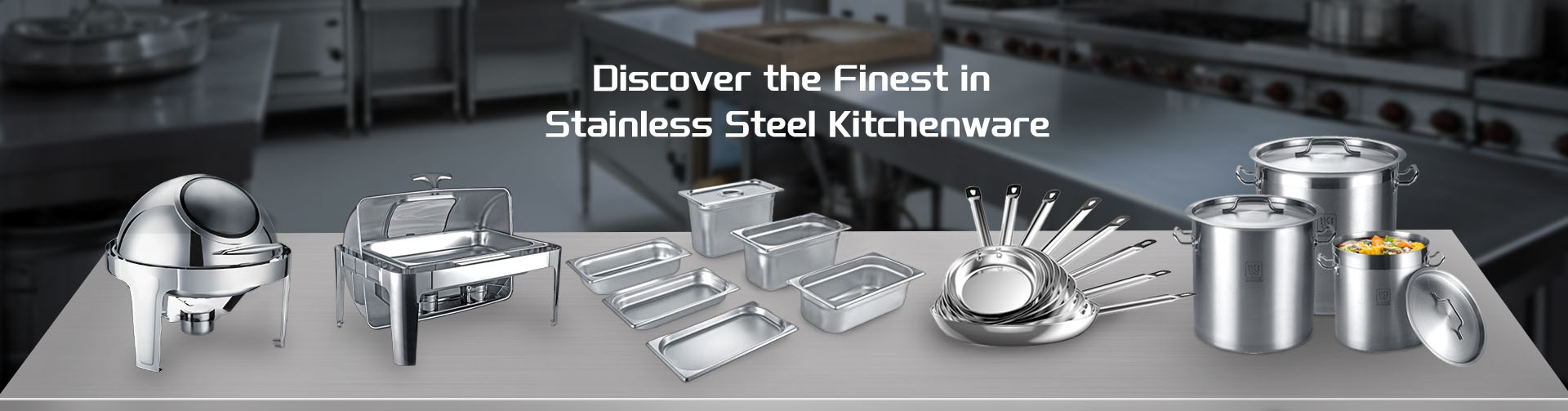
Electric vs fuel chafing dishes is an important decision for caterers because the heating method affects portability, counter layout, operating routines, and event preparation.
Round vs rectangular chafing dishes affect more than the appearance of a buffet. Their shape changes food capacity, counter use, serving flow, pan compatibility, storage, and the way guests move along the service line.