kelley@u-kitchenwares.com
+86-15819924651
+86-0750-3719388

Catering containers are reusable or disposable vessels used to prepare, store, transport, hold, display, and serve food during off-site events or large-scale meal service. Commercial catering containers include GN pans, insulated barrels, steam-table pans, chafing-dish inserts, beverage containers, food trays, stock pots, and transport boxes.
Unlike ordinary household storage boxes, catering containers must fit a complete workflow. Food may move from a production kitchen to refrigeration, a delivery vehicle, a temporary event kitchen, hot-holding equipment, and finally a buffet line.
A practical way to understand catering containers is to follow one dish.
Ingredients are washed, portioned, mixed, and stored. Stainless steel food pans and perforated containers help separate products and control batches.
Covered containers are labeled and placed in refrigeration. Stackability and shelf compatibility matter because event menus may require many prepared components.
Food may remain in an oven-compatible pan or move into suitable cookware. Equipment compatibility must be confirmed; not every lid or container can tolerate the same heat.
Prepared food needs containment and temperature management. Liquids require greater leak protection than dry dishes, while stacked pans need secure support during vehicle movement.
At the event, hot and cold food must be managed according to local food-safety procedures. Insulated equipment and heated buffet systems slow temperature change but do not replace monitoring.
GN pans and chafing dishes organize buffet dishes and support quick replacement. Covers reduce exposure between serving periods, while compatible utensils help portion food cleanly.
Reusable stainless steel containers suit repeated professional use, high-temperature applications, buffet presentation, and standardized kitchen systems. They require washing, return logistics, and sufficient inventory between events.
Disposable foil, plastic, paper, and fiber containers reduce return handling but create storage, waste, temperature, rigidity, and presentation considerations. The selected material must suit the food and intended temperature.
Many caterers use both: reusable containers for production and presentation, with disposable packaging for individual meals or customer leftovers.
Stainless steel offers a smooth, cleanable surface, structural rigidity, and compatibility with many commercial kitchen processes. It does not eliminate the need for correct sanitation or temperature control, but it supports repeated use when properly maintained.
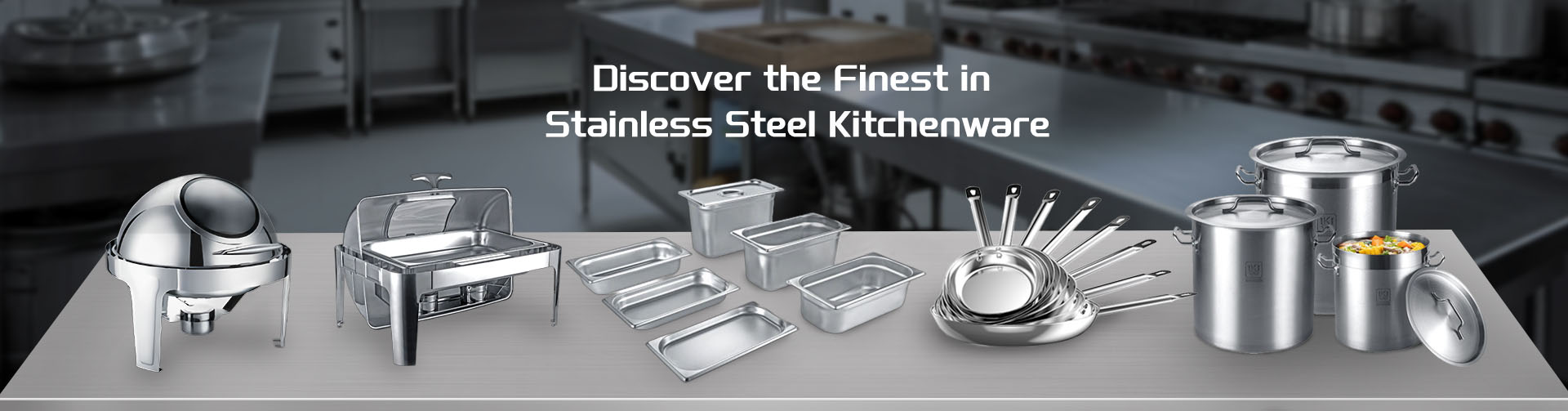
Our GN pans use stainless steel and include multiple sizes, depths, and solid or perforated formats. Covers and compatible buffet equipment allow operators to build a modular system.
The number depends on menu complexity, guest count, portion size, refill plan, transport time, and washing access. Counting only the pans visible on the buffet is a common mistake.
Inventory may need to include:
Preparation sets
Chilled holding sets
Transport sets
Active buffet pans
Backup filled pans
Empty replacement pans
Allergen-separated pans
Containers awaiting washing
A high-turnover event can require several containers for one menu item at different workflow stages.
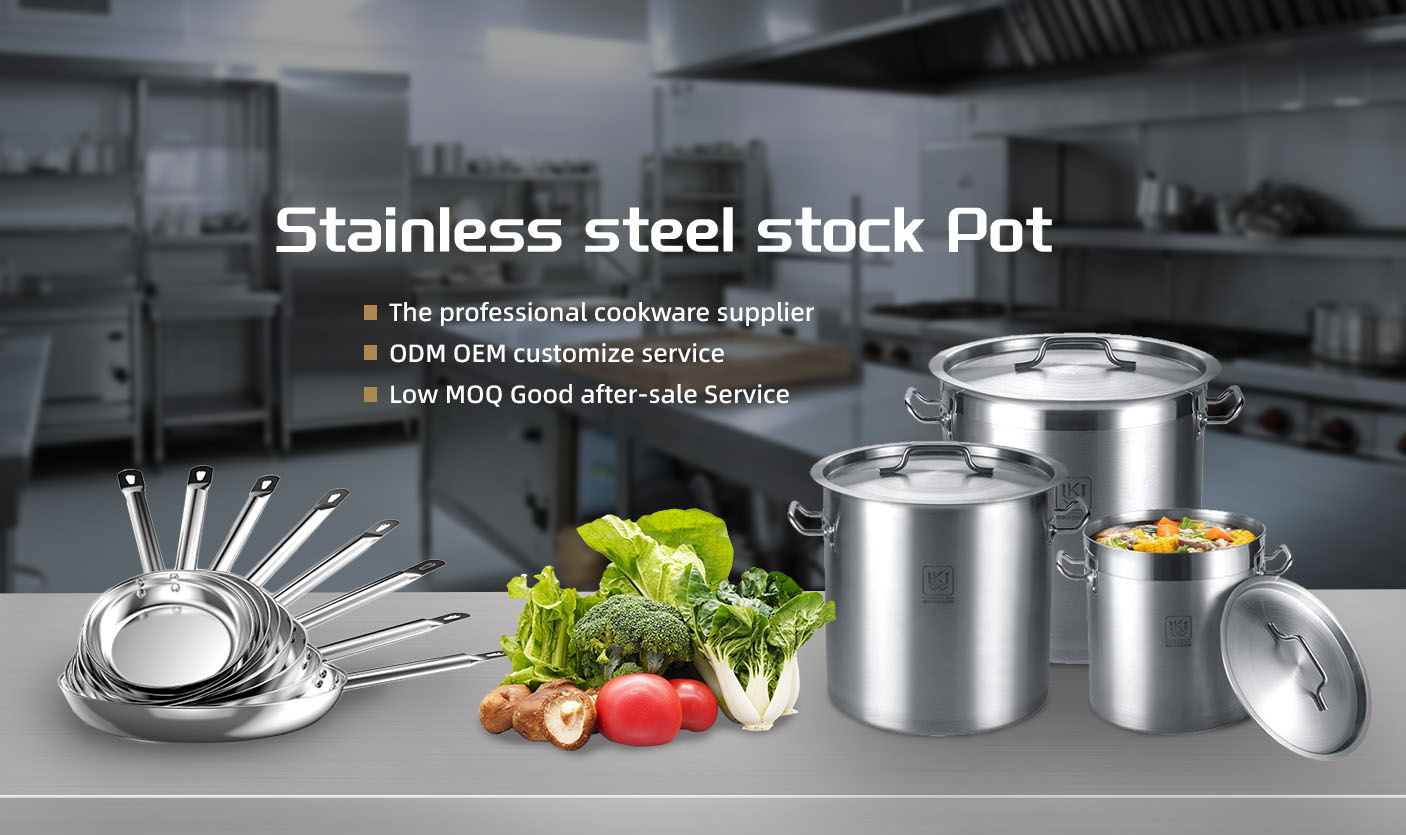
Our factory manufactures stainless steel GN Containers, us steam pans, perforated pans, stock pots, sauce pots, insulated barrels, Chafing Dishes, Soup Kettles, juice dispensers, buckets, tray trolleys, and serving carts. This product scope supports a connected catering workflow from batch preparation through buffet presentation and collection.
As a heavy-duty commercial catering container supplier, we can combine different product categories in a project order and coordinate size, depth, covers, surface finish, handles, perforation, logo, and packaging. Our production team manages raw-material inspection, forming, assembly, and final checking to support consistent repeat supply.
A catering container is valuable when it fits the rack, refrigerator, warmer, chafing dish, trolley, vehicle, and washing process used by the operator. Standard dimensions reduce transfers and simplify replacement.
Building a container list around the full event journey makes service faster and safer. The container is not merely packaging; it is part of the catering production system.