kelley@u-kitchenwares.com
+86-15819924651
+86-0750-3719388

Electric vs fuel Chafing Dishes is an important decision for caterers because the heating method affects portability, counter layout, operating routines, and event preparation. electric chafing dishes deliver heat through a compatible electrical supply, while fuel chafing dishes use burners positioned beneath the water pan.
Fuel models are widely used for mobile catering and temporary buffet lines. Electric models can be convenient in venues with dependable power and clearly planned outlets. Neither method is better in every environment.
A fuel chafing dish uses one or more fuel holders below the water pan. The water transfers heat gently to the food pan, helping the prepared food remain warm during service.
Its main advantage is placement flexibility. The buffet does not have to follow the position of wall sockets, making fuel models useful for weddings, outdoor service, temporary venues, and frequently changing room layouts.
Fuel chafing dishes may be preferred when:
Catering equipment is moved between venues
Power access cannot be guaranteed
Cables would cross guest or staff routes
Fast buffet setup is required
The serving line is rearranged for each event
Staff must manage the fuel according to its instructions and the venue’s fire-safety rules. Fuel cans should not be refilled, moved, or handled carelessly while hot. Adequate ventilation and stable placement are also essential.
Electric chafing dishes use a heating element rather than an open fuel flame. They can support an orderly buffet arrangement in hotels, restaurants, canteens, and fixed hospitality venues where electrical infrastructure has already been planned.
Their main considerations include:
Voltage compatibility
Plug and socket type
Power availability along the buffet
Cable positioning
Temperature control
Cleaning around electrical components
Storage of cords and heating elements
Cable management deserves particular attention. A lead hanging into an aisle or stretched across a service route can create a hazard. The buffet plan should place electrical connections away from guests, liquids, and high-traffic paths.
Electric heating can provide consistent operation when the power supply and equipment are correctly matched. Some systems may also include adjustable controls. The exact functions should be checked on the selected model.
Fuel heating is simple but requires staff to monitor the burner and manage replacement fuel. Heat output can also be influenced by the type and condition of the fuel. Wind and outdoor conditions may affect performance if the buffet is not adequately protected.
Both methods use the water pan to moderate heat transfer. Operators should monitor water levels so the pan does not run dry during a long service period.
Catering companies should examine the full service day, not only the time guests are eating. Consider how the chafers are transported, assembled, lit or connected, monitored, cleaned, cooled, and stored.
Fuel models require safe storage for unused fuel and procedures for handling partially used containers. Electric models require protection for cords, plugs, controls, and heating elements during washing and transport.
Menus also influence the decision. Large buffets may use rectangular chafers for main dishes and round units for soups or sauces, regardless of the heating method. The most effective setup often combines shape, pan size, and heat source according to each menu section.
Catering equipment faces frequent transport, repeated lid operation, cleaning, and stacking. A commercial grade chafing dish manufacturer should therefore pay attention to stainless steel construction, lid movement, handles, pan fit, frame stability, burner placement, and packing protection.
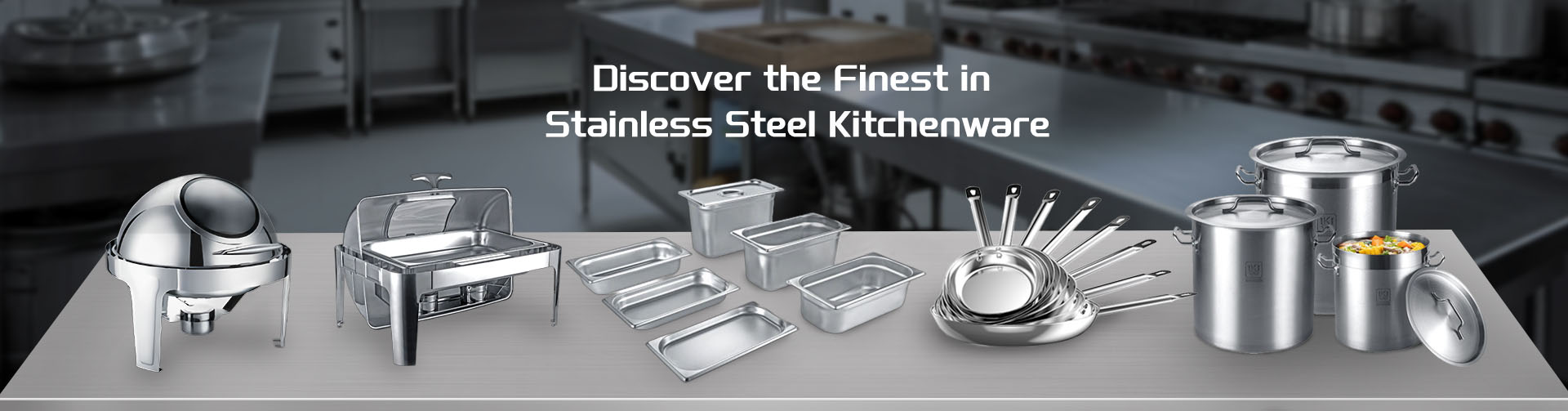
We manufacture stainless steel chafing dishes along with GN Containers, stock pots, trolleys, and beverage dispensers. This product mix supports buyers building a coordinated buffet and commercial kitchenware range rather than sourcing each item separately.
Before a commercial order is confirmed, buyers should specify where the units will be used, which heating method is required, and how the equipment will be transported. These details help determine whether electric or fuel chafing dishes fit the operation more closely.
Organizing equipment for a hotel, restaurant, event company, or distributor? Send us your requirements to receive a quotation. Include the chafing dish type, capacity, heating method, quantity, and destination so our team can review the request accurately.