kelley@u-kitchenwares.com
+86-15819924651
+86-0750-3719388

A frying pan is a shallow cooking vessel with a flat bottom, low sides, and a long handle. It is designed for frying, sautéing, searing, browning, and reheating food with a relatively small amount of oil. Because a frying pan heats quickly and gives cooks direct control over ingredients, it is used in household kitchens, restaurants, catering operations, and commercial food-service environments.
We manufacture kitchen cookware for overseas distributors, retailers, food-service buyers, and private-label brands. Our production experience covers different frying pan structures, materials, handle designs, surface treatments, and packaging requirements. This allows buyers to develop products for everyday home cooking as well as commercial applications.
The main difference is its shape. A frying pan normally has a broad, flat cooking surface and low, slightly curved sides. This structure makes it easier to turn food, stir ingredients, and remove cooked products with a spatula.
Compared with a saucepan, a frying pan has lower sides and is not primarily designed for boiling liquids. Compared with a wok, it usually has a flatter base and more consistent contact with the cooking surface. A skillet often has deeper sides and a heavier construction, although the terms are sometimes used interchangeably in retail markets.
A frying pan is suitable for many common cooking tasks, including:
Frying eggs, bacon, and vegetables
Sautéing onions, garlic, and mushrooms
Searing steak, chicken, and seafood
Cooking pancakes and crepes
Browning minced meat
Preparing stir-fried dishes
Reheating leftovers
Making sauces with reduced liquid
The best results depend on selecting a suitable pan material and using the correct heat level. A thinner pan may heat quickly, while a heavier pan generally offers better heat stability.
Aluminum is lightweight and transfers heat efficiently. It is often selected for affordable cookware collections and products designed for easy handling. Many aluminum frying pans receive a non-stick coating or another surface treatment to improve cooking performance.
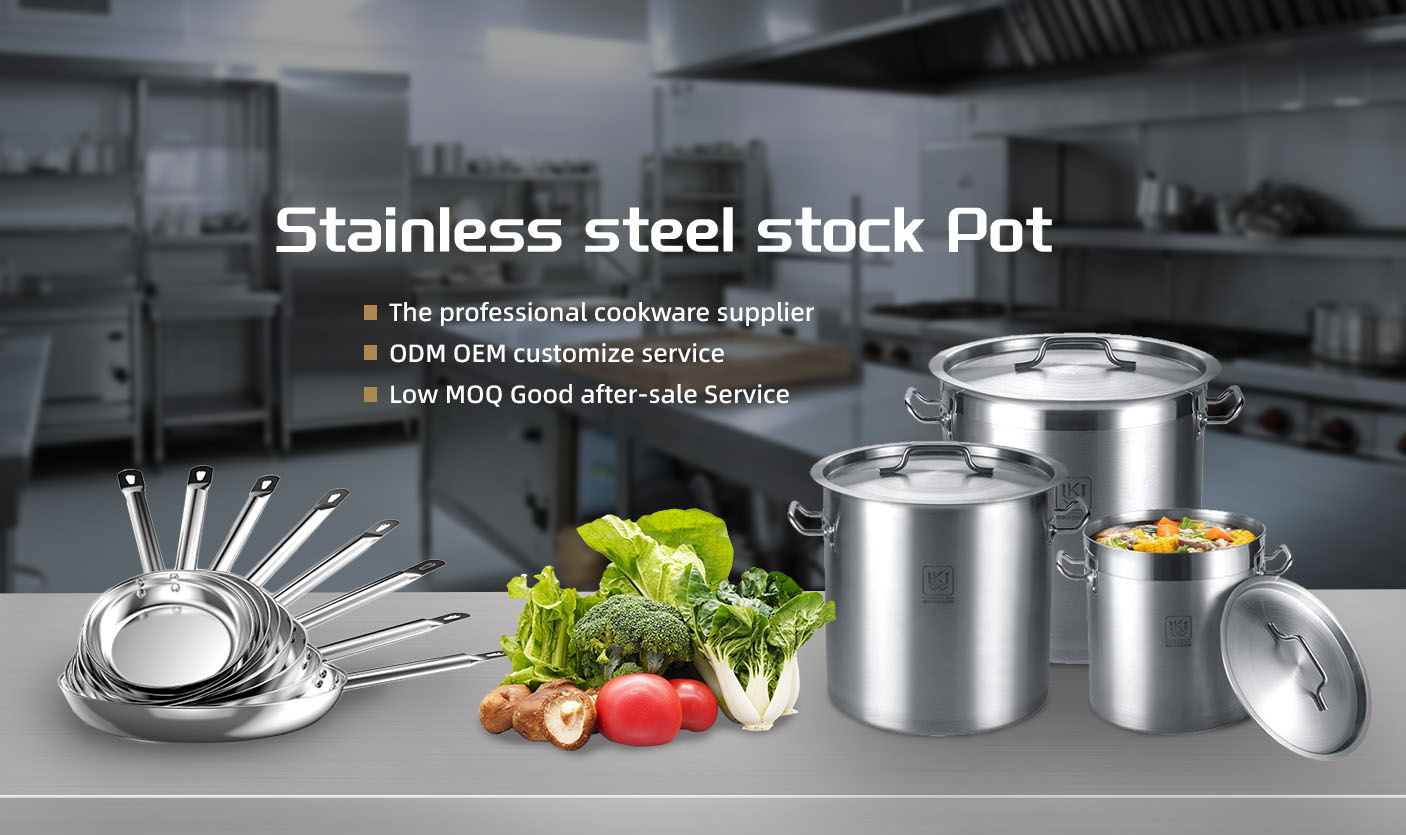
stainless steel frying pans are valued for durability, corrosion resistance, and a clean appearance. They are frequently selected by buyers looking for long-term cookware for household or professional kitchens.
Cast iron provides excellent heat retention and is suitable for searing and slow cooking. However, it is heavier and requires more careful maintenance to reduce the risk of rust.
Non-stick frying pans help reduce the amount of oil required and simplify cleaning. They are especially popular for eggs, pancakes, fish, and other foods that may stick easily.
B2B buyers should evaluate more than appearance. Important purchasing factors include:
Pan diameter and depth
Base thickness
Material grade
Coating system
Handle attachment
Compatibility with induction or gas stoves
Packaging and labeling
Carton protection
Quantity consistency
For a bulk order of frying pans, stable dimensions and repeatable surface quality are particularly important. A product that changes between batches can create complaints for distributors and private-label customers.
Our factory supports product development for cookware importers, retailers, and kitchenware brands. We can coordinate material selection, pan forming, coating, handle assembly, inspection, and export packaging according to project requirements.
As an OEM/ODM frying pan manufacturer, we help customers adjust product dimensions, colors, handle styles, logos, labels, and packaging. Our team also reviews the intended market and cooking application before confirming production details.
Always select a burner that matches the pan base. Excessive heat may damage a non-stick coating or create unnecessary discoloration on stainless steel. Use utensils that suit the surface, avoid sudden temperature changes, and follow the cleaning instructions provided for the specific material.
A frying pan is one of the most versatile pieces of cookware in a kitchen. Its material, base structure, surface treatment, and handle design determine how it performs during daily cooking.
For distributors and brands seeking an export quality frying pan supplier, we can support product selection, customized development, bulk purchasing, and packaging planning for different markets.
Previous:
Next: How Do You Evaluate a Stainless Steel Kitchenware Manufacturer?