kelley@u-kitchenwares.com
+86-15819924651
+86-0750-3719388

A warming tray and a Chafing Dish both help keep prepared food warm, but they support food in different ways. The main difference between a warming tray and a chafing dish is that a warming tray normally heats serving containers placed directly on its heated surface, while a chafing dish uses its own food-pan and warming structure, commonly with a water pan and fuel or electric heat source.
This difference affects portability, food capacity, buffet presentation, equipment compatibility, and the way food is replaced during service. For buyers sourcing from an OEM ODM chafing dish manufacturer, understanding the intended service environment is the first step toward selecting the appropriate structure.
| Feature | Warming Tray | Chafing Dish |
|---|---|---|
| Main function | Keeps serving dishes warm on a heated surface | Holds prepared food warm inside a dedicated food pan |
| Container arrangement | Separate dishes placed on top | Food pan integrated into the warming system |
| Heating method | Usually electric heated surface | Fuel or electric heat depending on model |
| Water pan | Usually not part of basic design | Common in traditional chafer construction |
| Buffet presentation | Compact and simple | Designed strongly around buffet display |
| Portability | Depends on access to electricity | Fuel models can work without mains power |
| Pan compatibility | Depends on tray surface and serving dish | Many rectangular versions can use GN-style pans |
| Common applications | Small buffet, countertop service, household entertaining | Hotels, restaurants, banquets, catering and commercial buffets |
A warming tray is essentially a heated platform.
Prepared dishes are placed onto the warm surface in heat-compatible containers. This makes the equipment useful where food is already arranged in serving dishes and only needs supplementary warming.
The design is generally compact and easy to understand. However, the user must still consider the type of container placed on the heating surface and follow the warming tray manufacturer's operating instructions.
Because warming trays are commonly electric, access to a suitable power source also matters.
A chafing dish is more integrated.
Rather than placing a random serving bowl on a heated plate, the food goes into a dedicated food pan supported by the chafer structure. Traditional versions use a water pan between the food and heat source.
Many commercial models also include a lid, frame, fuel holders, handles, and removable food pans.
This complete structure is why chafers are so recognizable in hotel breakfast areas, banquet halls, catering events, and restaurant buffets.
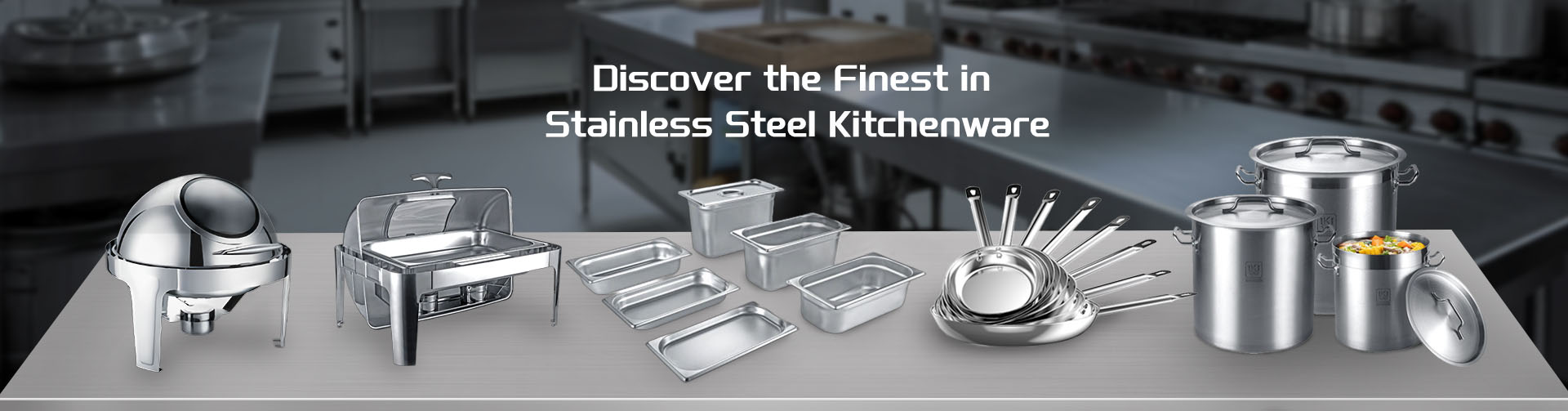
Our chafing dish collection includes round, rectangular, roll-top, folding, fuel-heated, and electric-related food warming configurations.
One advantage of rectangular chafing dishes is their relationship with standardized food pans.
A kitchen using GN containers can prepare and organize food before service. Compatible GN pans can then be placed into the appropriate buffet setup.
This makes replacement easier during busy service. Staff can remove an empty pan and replace it with another prepared container instead of refilling the same pan in front of guests.
When comparing a warming tray and a chafing dish, this modular food-pan workflow can be particularly important for hotels and catering operations.
The answer depends on scale.
A warming tray can be practical for a compact countertop, smaller event, or situation where different serving dishes are already being used.
A chafing dish is usually more closely aligned with a structured commercial buffet because the food pan, lid, support frame, and heating system function together as one serving station.
Mobile catering creates another difference. A fuel-heated chafer can be useful where electrical outlets are limited, while an electric warming tray normally depends on power access.
For an OEM ODM chafing dish manufacturer, capacity alone does not define a suitable product.
Buyers should also confirm:
Round or rectangular structure
Food-pan size
GN compatibility
Lid style
Fuel or electric heating
Stainless steel specification
Handle and frame design
Foldable or fixed construction
Packaging
Order quantity
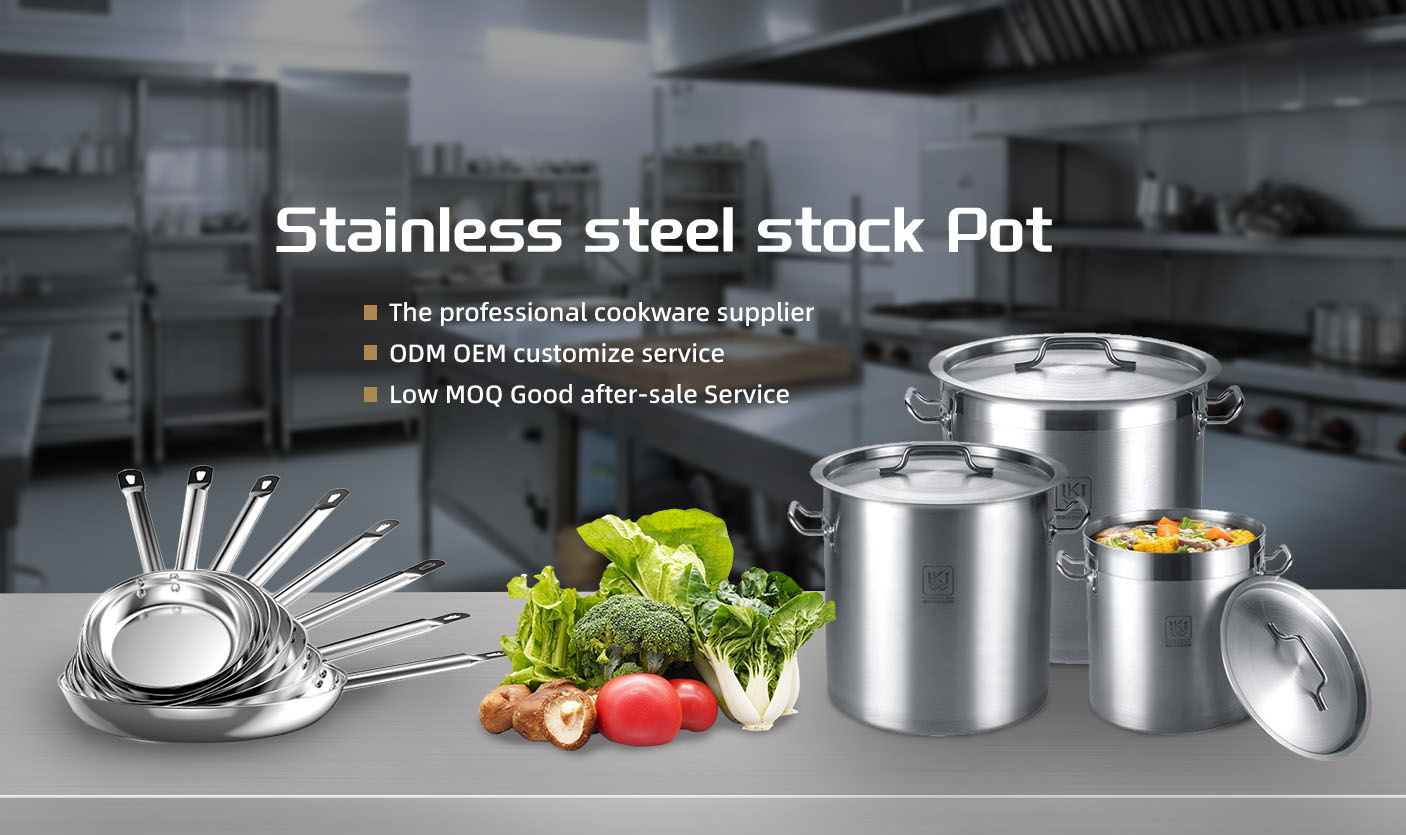
Our factory focuses on stainless steel commercial kitchen and buffet products and supports OEM and ODM services. With GN Containers, chafing dishes, stock pots, trolleys, and serving carts within the same product system, buyers can also coordinate several related categories for restaurant, hotel, and catering supply.
The clearest way to understand the difference between a warming tray and a chafing dish is to look at how food reaches the guest.
Use a warming tray when separate serving dishes need a heated surface beneath them. Use a chafing dish when the buffet requires an integrated food pan, holding system, lid, and structured presentation.
Looking for a standard or customized buffet warmer range? Send us your chafing dish specifications, including capacity, GN size, lid type, heating method, material requirement, quantity, and packaging. We can review suitable options for your OEM ODM chafing dish order.