Keeping drinks cold in a beverage dispenser is mostly a heat-control problem. Once cold juice, tea, or infused water is poured into a dispenser, it immediately starts absorbing heat from the room, the countertop, and the dispenser body itself.
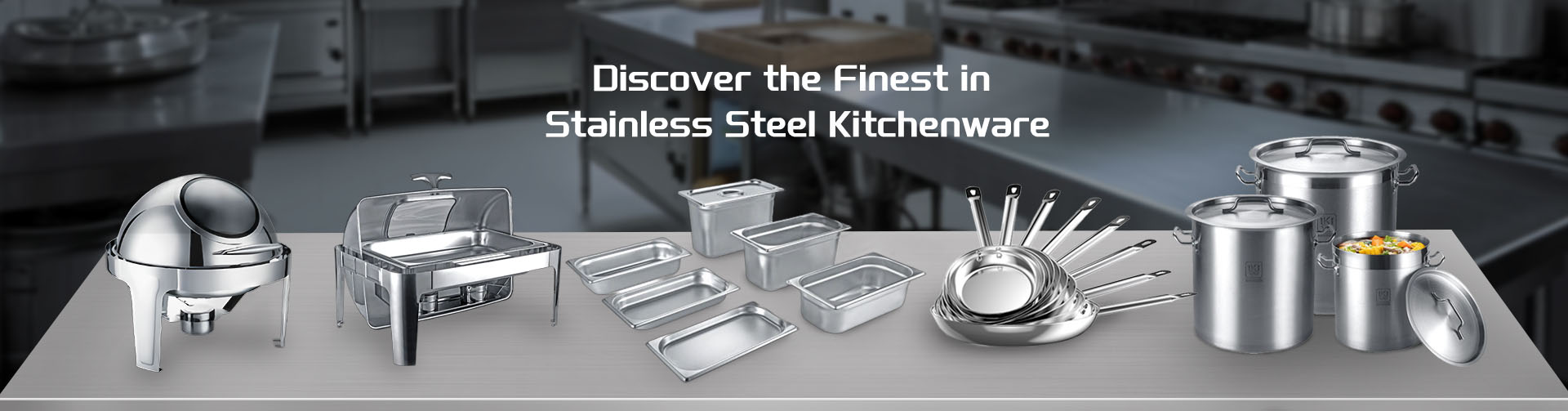
Steam table pans are designed to hold, heat, and serve food efficiently in buffet lines, catering setups, and back-of-house prep systems. Used correctly, they help maintain safe serving temperatures, protect food texture, reduce waste, and speed up refills during peak service.
A stainless steel brewing pot is the foundation of a reliable homebrewing setup. It determines how smoothly you can heat the wort, how evenly you maintain the boil, and how easily you can control hop additions, chilling, and transfer without contamination.
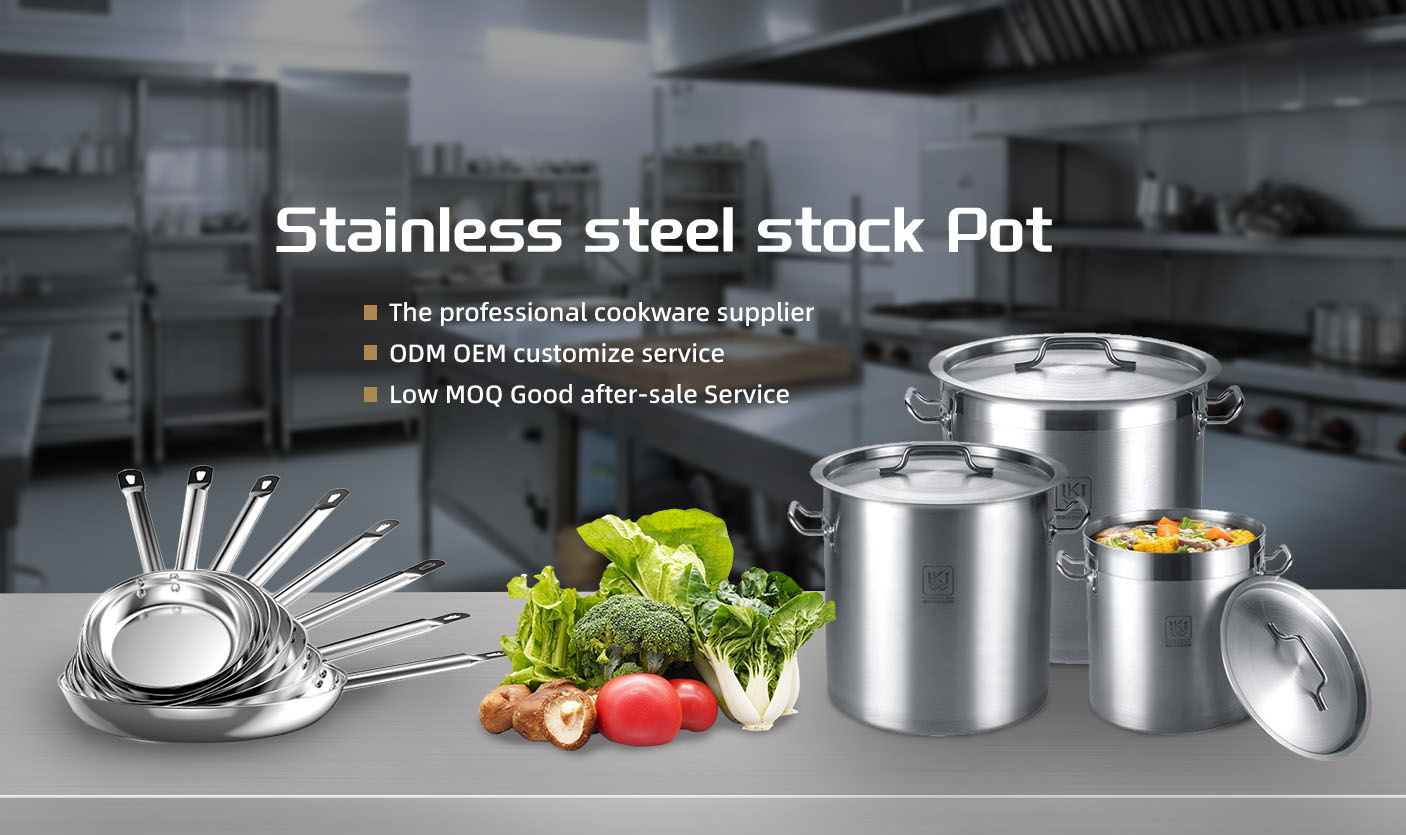
Choosing the right stockpot size for soup is not only about how many people you serve. A stockpot that is too small boils over, reduces heat circulation, and makes it difficult to simmer evenly. A pot that is too large wastes energy, heats slowly, and can be awkward to lift, store, and clean.
Chafing dishes are designed for one job: keeping prepared food hot, safe, and presentable during service. They are widely used for buffets, banquets, catering lines, hotel breakfast stations, and event dining because they hold food at serving temperature without overcooking it when set up correctly.
GN pan size refers to the standardized dimensions used for gastronorm containers in professional kitchens. Instead of guessing whether a pan will fit a steam table, buffet station, prep counter, blast chiller rack, or combi oven tray, GN sizing creates a consistent footprint system so pans, lids, rails, and shelving match across equipment and brands
Choosing the right sauce pot size is not only about how much liquid you can fit inside. The “right” size is the one that matches your batch volume, heat source, whisking space, evaporation needs, and service rhythm.
A grill pan is designed to give you grill-style sear marks and concentrated browning on a stovetop, while keeping food slightly lifted above rendered fat and juices. To use one properly, you need to manage three variables that decide results: heat control, surface preparation, and timing.
A stainless steel heat preserving barrel is built to hold hot liquids safely and slow down heat loss, but the temperature that causes damage depends on what part you mean by damage. This guide explains the practical temperature limits that matter for commercial kitchens, catering, beverage service, and facility operations, then shows how to choose and use a stainless steel heat preserving barrel correctly.
Sticking is the most common frustration people have with stainless steel cookware. The good news is that it usually comes from a few fixable causes: the pan was not at the right temperature, the oil was not heated correctly, the food surface had too much moisture, or the pan surface has built-up residue that behaves like glue.