kelley@u-kitchenwares.com
+86-15819924651
+86-0750-3719388

A service charge at a restaurant is an extra fee added to the bill. It may be used to cover service staff, table service, event setup, administrative costs, private room service, banquet operation, or large-party handling. It is not always the same as a tip, and the meaning can change depending on the restaurant and local rules.
Customers should always read the bill carefully. Some restaurants clearly state that the service charge is distributed to staff. Others treat it as a business charge. When unsure, it is reasonable to ask the restaurant how the fee is handled.
Restaurants may add a service charge for large groups, catering events, holiday meals, hotel banquets, buffet service, or private dining rooms. These situations require more staff coordination than a normal table order.
A buffet event, for example, may need kitchen staff, servers, dish collection, food runners, beverage service, cleaning support, and equipment setup. The charge helps cover the extra work behind the meal.
This is why service charges are common in hotels, banquet halls, wedding venues, and catering operations.
A tip is usually given voluntarily by the customer to reward service. A service charge is added by the restaurant as part of the bill.
In some places, customers still leave an extra tip after a service charge. In others, they do not. The best approach is to check the restaurant policy and local custom.
The wording on the bill matters. “Service charge,” “gratuity,” “admin fee,” and “event service fee” may not mean the same thing.
A service charge often reflects labor, but service quality is also shaped by equipment. Buffet lines, catering stations, and banquet rooms rely on tools that keep food organized, warm, and easy to serve.
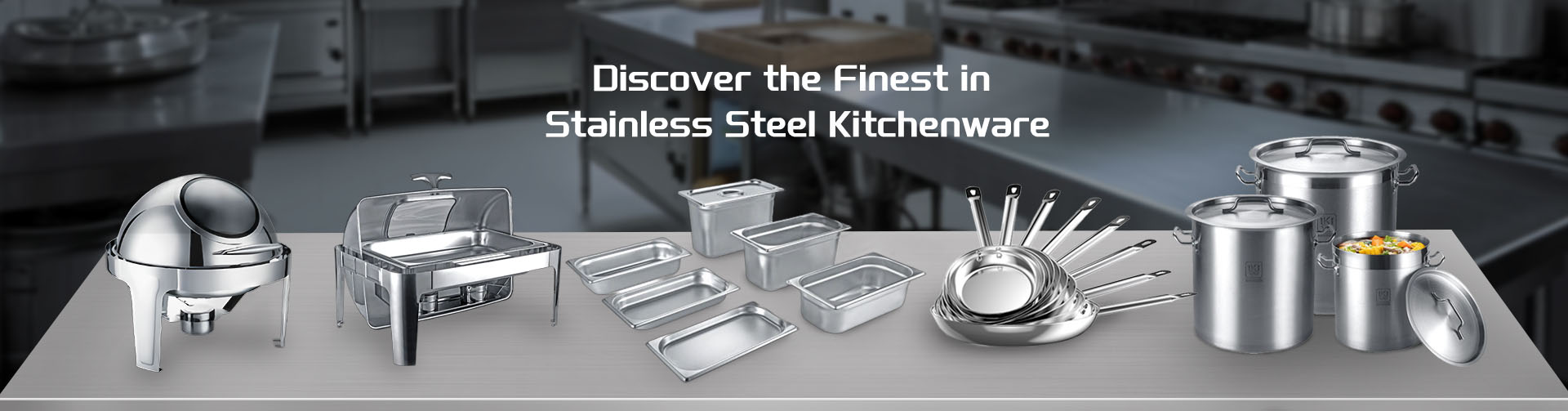
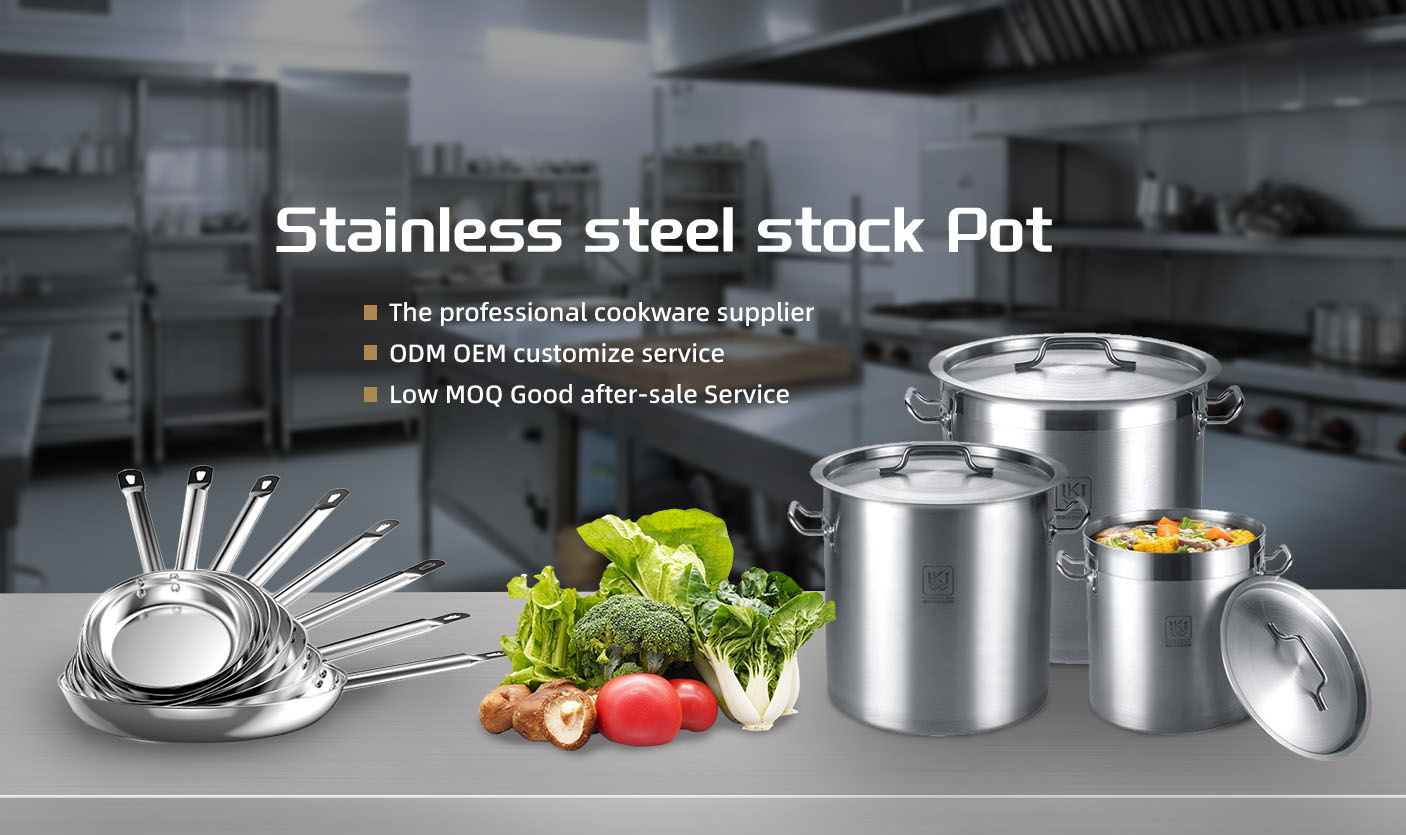
Chafing Dishes, GN pans, stock pots, trolley carts, and juice dispensers are common pieces behind this kind of service. A restaurant may prepare soup in stock pots, portion dishes into GN Containers, transfer items on trolleys, and hold food in chafing dishes during the event.
For chafing dish bulk supply and buffet equipment orders, buyers usually care about heating stability, lid design, pan compatibility, cleaning convenience, and presentation.
A buffet is not only food placed on a table. It needs flow direction, portion control, hot holding, beverage setup, replacement pans, and enough space for guests to move.
A poor setup can make guests wait longer or cause food temperature problems. A better setup helps staff replace dishes smoothly and keep the line looking clean.
This is where commercial kitchenware affects the service experience.
A restaurant should make the service charge easy to understand. Customers are less likely to feel surprised when the policy is shown on the menu, booking page, or event agreement.
For events, the restaurant can explain what is included:
Staff service
Buffet setup
Food station management
Beverage service
Cleaning
Equipment handling
Room preparation
Clear communication prevents disputes after the meal.
A service charge is a restaurant-added fee connected to service operation. It may support staff, event setup, or dining service costs, but customers should check how the restaurant defines it.
For foodservice businesses, service quality depends on both staff and equipment. Reliable stock pots, GN pans, chafing dishes, and trolleys help the kitchen and service team work with fewer interruptions.
For restaurants, hotels, buffet operators, and catering suppliers, we provide Stainless Steel Stock Pots, GN containers, chafing dishes, trolley carts, Juicer Dispensers, and related buffet kitchenware. Different sizes and packing options can be matched for wholesale supplier and export orders.