kelley@u-kitchenwares.com
+86-15819924651
+86-0750-3719388

A person may be able to sue a restaurant for food poisoning, but it depends on the facts, local law, medical evidence, and whether the illness can be linked to the restaurant’s food. Food poisoning cases are not always easy to prove because symptoms may appear hours or days after eating, and a person may have eaten food from several places.
This article is general information, not legal advice. Anyone facing a serious illness or legal claim should speak with a qualified professional in their location.
A food poisoning claim often needs more than feeling sick after a meal. The person may need to show that the food was unsafe, that the restaurant had responsibility, and that the illness was caused by that food.
Useful evidence may include medical records, receipts, leftover food, photos, witness information, health department reports, and proof that other people became sick after eating the same meal.
Without evidence, it can be difficult to connect the illness to one restaurant.
Restaurants manage food safety through sourcing, storage, preparation, cooking, holding, serving, and cleaning. A mistake at any stage can create risk.
Hot food should be held properly. Cold food should stay cold. Prepared food should not sit too long at unsafe temperatures. Equipment should be clean and suitable for the menu.
In buffet and catering service, the risk can increase because food may be held for longer periods and served to many people at once.
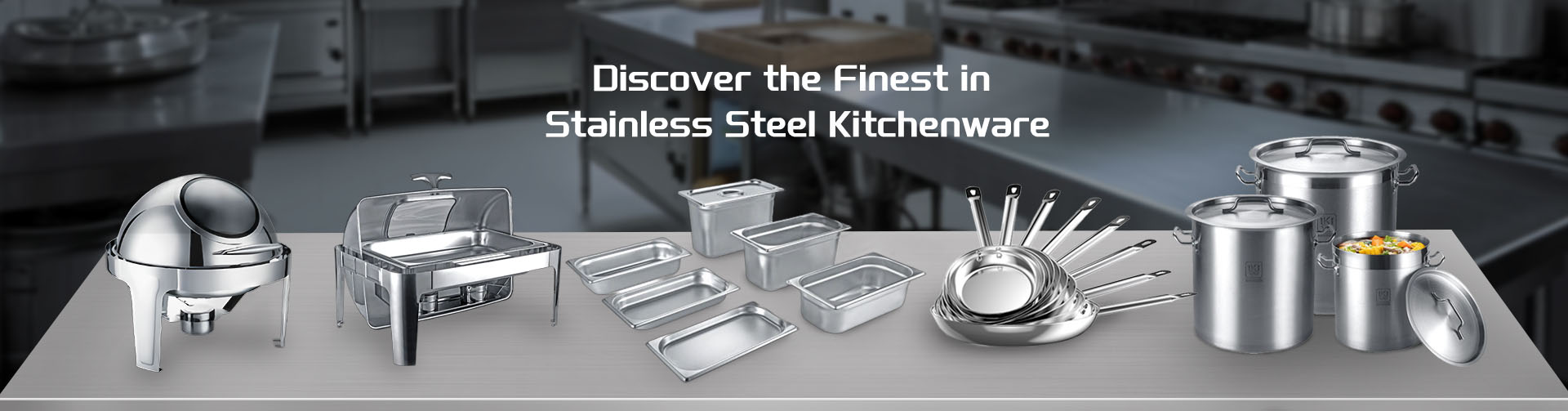
Chafing dishes and GN pans are not just display tools. They help restaurants organize prepared food and maintain service flow. When used correctly, a chafing dish can help keep hot dishes warm during buffet service. GN Containers make portioning, storage, replacement, and service more efficient.
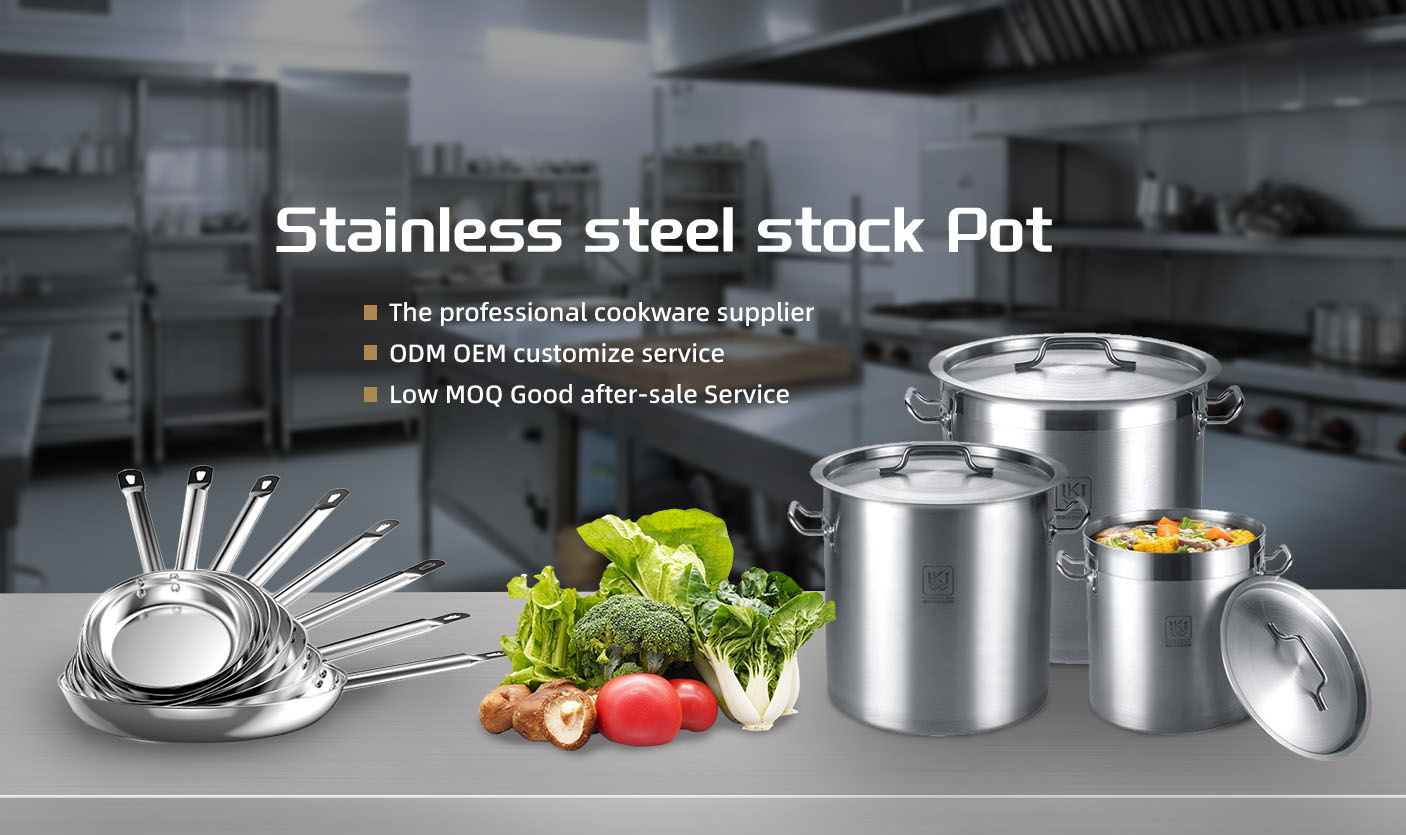
Our restaurant supply range includes Stainless Steel Stock Pots, GN pans, chafing dishes, trolley carts, and Juicer Dispensers. For commercial grade chafing dish and GN pan orders, buyers often check pan compatibility, lid operation, heating method, material thickness, and cleaning convenience.
Good equipment cannot replace food safety rules, but poor equipment can make service harder to manage.
When a customer reports possible food poisoning, a responsible restaurant should take the issue seriously. The restaurant may review the order, check food batches, inspect storage records, speak with staff, and follow local health department procedures when needed.
Denying the issue too quickly can damage trust. A calm, documented response is better for both the customer and the business.
Foodservice businesses should choose equipment based on real use, not only appearance. Stock pots should handle batch preparation. GN pans should fit holding equipment. Chafing dishes should sit firmly and be easy to clean. Trolleys should move food safely between kitchen and service area.
For hotel buffet and catering kitchenware bulk supply, consistent sizes and stable construction are important because the same products may be used every day.
If symptoms are severe, include high fever, blood in stool, dehydration, pregnancy risk, elderly patients, or young children, medical care should come first.
For legal questions, the rules vary by country and region. A local attorney or consumer protection office can explain what evidence is needed.
A food poisoning claim depends on evidence and local law, but every restaurant can reduce risk by improving food handling, hot holding, cleaning, and service organization.
For foodservice projects, we can support stock pots, GN pans, chafing dishes, trolley carts, and buffet equipment for restaurants, hotels, catering companies, and banquet suppliers that need reliable kitchenware for daily operation.