kelley@u-kitchenwares.com
+86-15819924651
+86-0750-3719388

Busy restaurant chefs and kitchen managers know the frustration too well: the same dish prepared on different pans can turn out completely different in taste, color, and texture. One steak comes out perfectly seared, while another from the same batch is unevenly cooked. This inconsistency is often caused by skillet frying pan difference — variations in material, construction, and heat performance that most buyers overlook until problems appear during service.
In commercial kitchens, even small skillet frying pan difference can create big problems. Uneven heating leads to unpredictable cooking results, forcing chefs to adjust techniques constantly or waste ingredients. This not only slows down service during peak hours but also increases customer complaints about food quality. For restaurant owners and chain operators, inconsistent output directly affects repeat business and online reviews.
Pans with poor thermal conductivity create hot spots and cold zones. This makes it difficult to achieve uniform searing, browning, or simmering across the entire surface — a major issue when preparing large volumes of identical dishes.
The shape and thickness of the pan bottom play a decisive role. Flat versus concave bottoms, and variations in material layering, determine how evenly heat spreads and how well the pan retains temperature during continuous use.
Different materials react differently to repeated high-temperature cooking and sudden temperature changes. Some pans warp, lose non-stick properties quickly, or develop hot spots over time, forcing kitchens to replace them frequently.
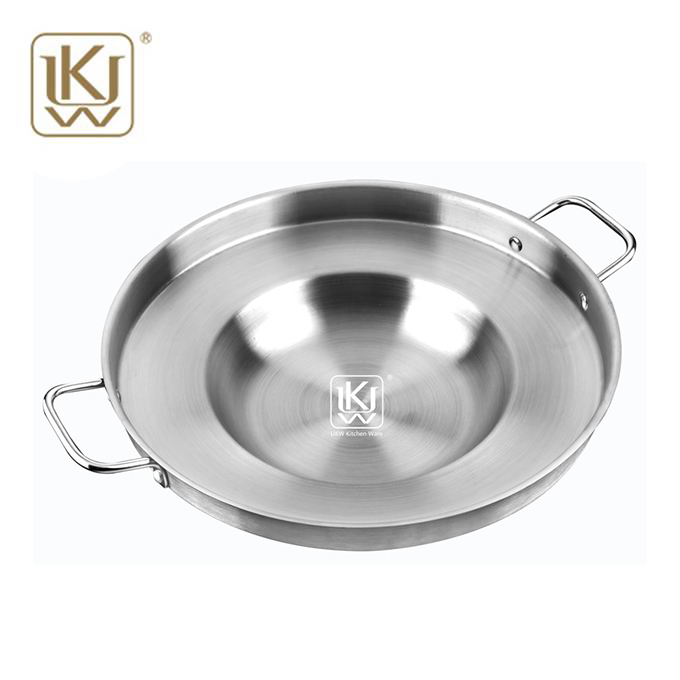
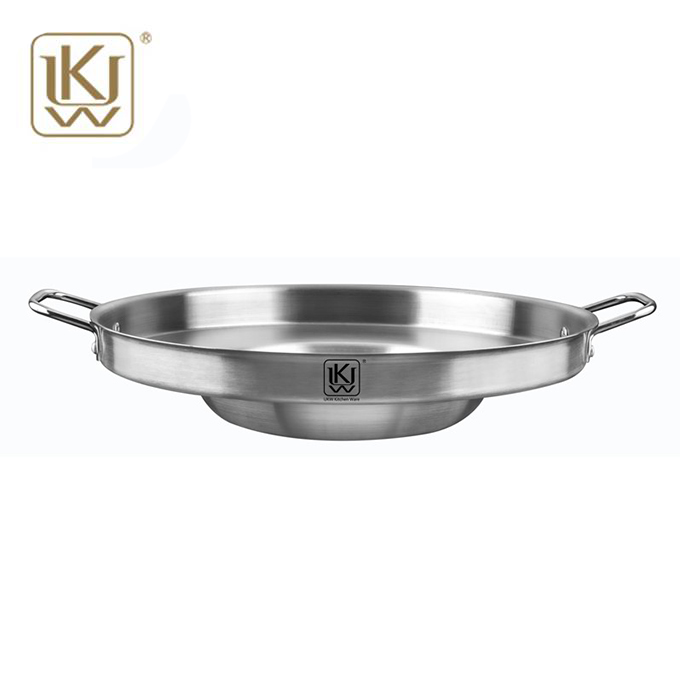
Our Stainless Steel Concave Bottom Pans are engineered to minimize harmful skillet frying pan difference, delivering consistent heat distribution and reliable performance that commercial kitchens demand day after day.
Restaurants using high-quality, uniform skillets report more stable food quality, faster ticket times, and fewer customer returns. Kitchen teams spend less time adjusting for pan variations and more time focusing on flavor and presentation. For multi-location operators, standardized pan performance also ensures brand consistency across all outlets.
When comparing skillet frying pan difference, focus on real performance metrics rather than marketing claims. Test heat distribution with infrared thermometers, evaluate weight and balance for chef comfort, and consider long-term durability under your kitchen’s specific cooking style. Choosing the right pans helps protect food quality while reducing waste and equipment replacement costs.
Understanding skillet frying pan difference is essential for any commercial kitchen aiming for consistent, high-quality output. The right choice of pans can significantly reduce cooking variations and support smoother, more profitable operations.
If you manage a restaurant, hotel kitchen, or food service operation and want to improve cooking consistency, feel free to contact us. Share your main cooking methods or current challenges, and we’ll recommend practical solutions tailored to your needs.