kelley@u-kitchenwares.com
+86-15819924651
+86-0750-3719388

For commercial beverage service, the valve is a small part, but it directly affects dispensing speed, leakage control, hygiene, and daily operating efficiency. In hotels, catering service, restaurants, school canteens, beverage stations, and event supply, a slow or unstable tap can create queues, waste drinks, and increase cleaning work.
A well-built stainless steel beverage dispenser should not only preserve temperature. It also needs a valve that opens smoothly, controls flow steadily, and closes tightly after repeated use. For buyers placing wholesale orders or OEM / ODM projects, valve design is one of the key details worth checking before confirming a supplier.
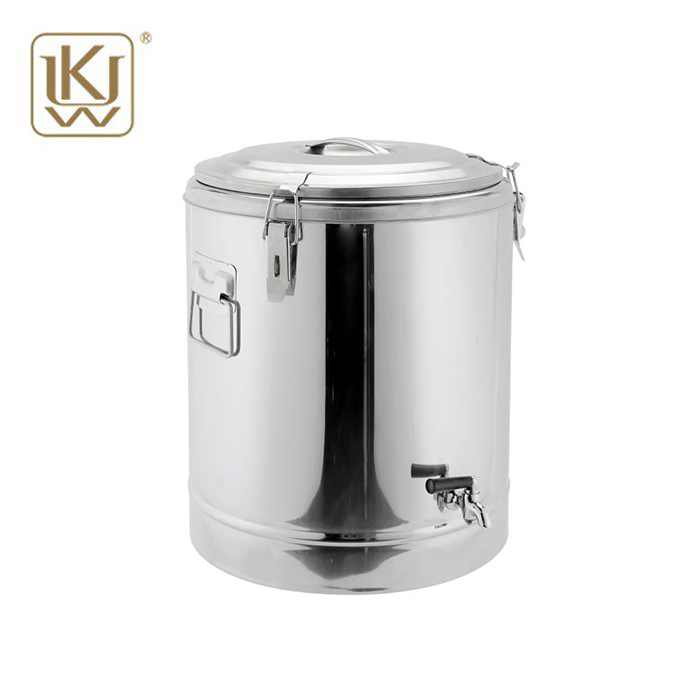
A beverage dispenser valve should allow liquid to pass through evenly without sudden splashing or blockage. For tea, coffee, soup, juice, warm water, and other service drinks, the valve opening needs to match the container capacity and commercial serving speed.
Our insulated beverage dispenser is available in multiple capacity options from small service use to large event supply. When the container volume becomes larger, the tap must handle higher usage frequency during peak hours. A stable valve opening helps staff serve drinks faster while keeping the dispensing process clean and controlled.
For commercial buyers, this matters because a dispenser is often used by many people in a short time. A weak valve may become stiff, drip after closing, or release liquid too slowly. These issues may look minor in a sample, but they can become real problems after repeated daily use.
The valve area is constantly exposed to water, hot drinks, acidic beverages, and cleaning agents. This is why stainless steel construction is important for long-term commercial use. Compared with plastic parts, food-grade stainless steel offers better strength, corrosion resistance, and a more professional appearance for public serving areas.
A stainless steel tap also supports better hygiene management. Its smooth surface is easier to rinse and wipe, helping reduce residue around the outlet. For hotels, restaurants, offices, schools, and healthcare dining areas, this can reduce maintenance pressure and support a cleaner beverage service process.
For distributors and project buyers, stainless steel valve quality is also linked to after-sales cost. If taps loosen, crack, or discolor too quickly, replacement and customer complaints may affect long-term business. Choosing a durable valve structure helps improve product reliability across bulk orders.
Smooth dispensing is not only about fast flow. A good valve must also stop cleanly after use. Dripping taps can waste beverages, stain tabletops, create slippery surfaces, and make the service area look poorly managed.
Our beverage dispenser uses a sealing structure designed for stable closing performance. The seal helps reduce leakage during service, movement, and storage. This is especially important for catering teams, outdoor events, breakfast buffets, and mobile beverage stations where equipment may be moved frequently.
For bulk purchasing, buyers should pay attention to three points:
Whether the tap closes tightly after repeated opening and closing
Whether the outlet remains clean without continuous dripping
Whether the sealing part can withstand daily cleaning and beverage contact
A reliable sealing design helps the dispenser stay practical, especially in high-traffic environments where staff do not have time to constantly wipe the serving table.
In commercial use, the valve should be simple enough for staff and guests to operate. A tap that requires too much force can slow down service and may cause users to pull or twist it incorrectly. Over time, this can shorten the service life of the valve.
A smooth-opening valve allows users to dispense drinks with better control. This is useful in self-service areas, where guests may use the dispenser without staff assistance. It also helps catering teams serve drinks quickly during peak demand.
For buyers serving different markets, valve operation is a key detail for user experience. A dispenser may look strong from the outside, but if the tap feels rough or unstable, the whole product feels less professional. This is why valve testing should be included in sample evaluation before large-volume purchasing.
The placement of the tap also affects dispensing performance. A valve positioned too low may make cups difficult to place. A valve positioned too high may leave too much beverage inside the container. The outlet height should support easy cup access while helping reduce leftover liquid.
For commercial service, the tap should also be positioned to avoid hand contact with the main body during use. This keeps the operation cleaner and more convenient. A practical valve position supports faster drink collection in crowded service areas such as buffet counters, school cafeterias, office pantries, and outdoor event stations.
The valve should work together with the whole container structure, including the lid, handle, insulation layer, and base stability. This is what makes a beverage dispenser suitable for real commercial operation, not only product display.
A beverage container may have good insulation, but poor valve design can still affect the serving experience. If the tap transfers heat too quickly, becomes loose, or allows liquid to leak, the temperature-preserving function will not deliver its full value in daily use.
Our commercial insulated beverage dispenser uses double-wall stainless steel construction to help maintain hot and cold beverages for extended service time. The tap supports convenient beverage access without opening the lid frequently. This helps reduce heat loss and keeps the drink service more stable throughout the day.
For business buyers, this is important in situations such as:
Hotel breakfast beverage service
Catering events with long serving hours
Restaurant tea or soup stations
Office and school beverage supply
Outdoor food service and temporary event setups
A well-matched tap and insulated body can reduce repeated refilling, reduce heat loss, and improve serving efficiency.
For OEM / ODM orders, valve design should be discussed early in the sourcing process. Different markets may prefer different tap styles, outlet sizes, handle designs, packaging requirements, and branding options. Confirming these details before production helps reduce revision cost and delivery delays.
As a supplier, MEIJIN can support commercial buyers with practical product guidance for capacity selection, tap structure, material choice, and bulk order needs. The goal is not only to provide a container, but to help buyers match the dispenser with real usage scenarios.
For wholesalers, importers, and food service equipment distributors, a good valve design can make the product easier to sell. It gives end users a better experience, reduces after-sales issues, and strengthens repeat order potential.
A smooth dispensing valve should offer steady flow, easy operation, tight sealing, stainless steel durability, and practical outlet positioning. For commercial beverage containers, these details directly affect service speed, hygiene, maintenance cost, and user satisfaction.
Our Stainless Steel Beverage Dispenser connects insulated structure with a convenient tap design, making it suitable for catering, hotels, restaurants, schools, offices, and event beverage service. For buyers planning wholesale supply or OEM / ODM projects, checking valve quality before ordering can help avoid leakage problems, unstable flow, and unnecessary replacement costs.
For capacity recommendations, valve details, customization options, or bulk purchasing guidance, you can contact us with your target market and application scenario. We can help you choose a suitable beverage dispenser solution for your business needs.