kelley@u-kitchenwares.com
+86-15819924651
+86-0750-3719388

Clean a non-stick frying pan after it has cooled by using warm water, mild dish soap, and a soft sponge or cloth. Avoid steel wool, abrasive powder, sharp scrapers, and strong oven cleaner because they can scratch or weaken the coating.
Most residue is easier to remove when the pan is washed soon after cooling. Repeated overheating and aggressive cleaning shorten the useful life of the non-stick surface.
Remove the pan from the burner and allow it to cool naturally.
Do not place a very hot pan directly under cold water. Sudden cooling can warp the body or affect the bond between the pan and its coating.
Once the cookware is warm or cool:
Remove loose food with a silicone or wooden utensil.
Add warm water and mild dish detergent.
Wipe the cooking surface with a soft sponge.
Clean the sidewalls and exterior base.
Rinse away all detergent.
Dry the pan with a soft towel.
Store it where the coating cannot rub against another pan.
Clean around rivets and handle connections because oil can collect in these areas.
Fill the cooled frying pan with enough warm water to cover the residue. Add a small amount of dish soap and allow it to soak.
For stubborn food, place the pan over low heat with water for a short period. Gentle warming can soften residue without requiring heavy scrubbing.
Turn off the heat and allow the water to become safe to handle. Use a soft sponge or silicone utensil to lift the food.
Do not boil an empty coated pan or use high heat during cleaning.
A mild baking-soda-and-water paste may help with selected coatings, but it should be tested gently and used only when compatible with the supplier’s care instructions. Baking soda is mildly abrasive, so excessive pressure should be avoided.
A sticky film may develop when cooking oil is repeatedly heated beyond its useful range.
Begin with warm water and grease-cutting dish soap. Soak the surface and wipe it several times using a clean non-abrasive sponge.
Clean the sponge before repeating the process. A greasy sponge can spread the same residue back over the pan.
Avoid using:
Metal scouring pads
Abrasive cleaning blocks
Strong alkaline oven cleaners
Undiluted chlorine products
Knife blades
Metal spatulas
Sandpaper
Power-cleaning tools
When the residue cannot be removed without aggressive abrasion, replacement may be safer than damaging the food-contact surface.
Some non-stick frying pans are marked dishwasher-safe, but regular hand washing is generally gentler on the surface.
Dishwasher detergents, high-temperature cycles, and contact with other utensils may affect the exterior finish, exposed aluminum edges, handle parts, or coating over time.
Follow the instructions for the specific pan. Dishwasher-safe does not mean that every part will maintain its original appearance indefinitely.
Place the pan where sharp utensils cannot strike the coating during the cycle.
Minor discoloration does not always mean the coating has failed. However, the pan should be inspected when food begins sticking more frequently.
Replacement should be considered when the surface has:
Deep scratches
Peeling or flaking
Blisters
Exposed base metal
Severe warping
Loose handles
Sharp rim damage
A coating that can no longer be cleaned
Do not attempt to repair a damaged food-contact coating with household paint, spray, or an unapproved resurfacing product.
Use low to medium heat for most non-stick cooking. High heat is rarely necessary for eggs, pancakes, fish, or delicate foods.
Add oil or food before the empty pan becomes excessively hot.
Choose silicone, nylon, or wooden utensils without sharp edges. Do not cut food directly inside the pan.
Allow cookware to cool before washing and place a soft separator between stacked pans.
Avoid aerosol cooking sprays when the pan supplier advises against them. Some sprays can leave a difficult polymerized film.
As a Reliable Export Supplier of non-stick frying pans, we support cookware distributors, supermarkets, hospitality suppliers, restaurant-equipment buyers, and private-label brands.
Our factory combines automated production workshops with product development, assembly, raw-material inspection, process control, and finished-product checking.
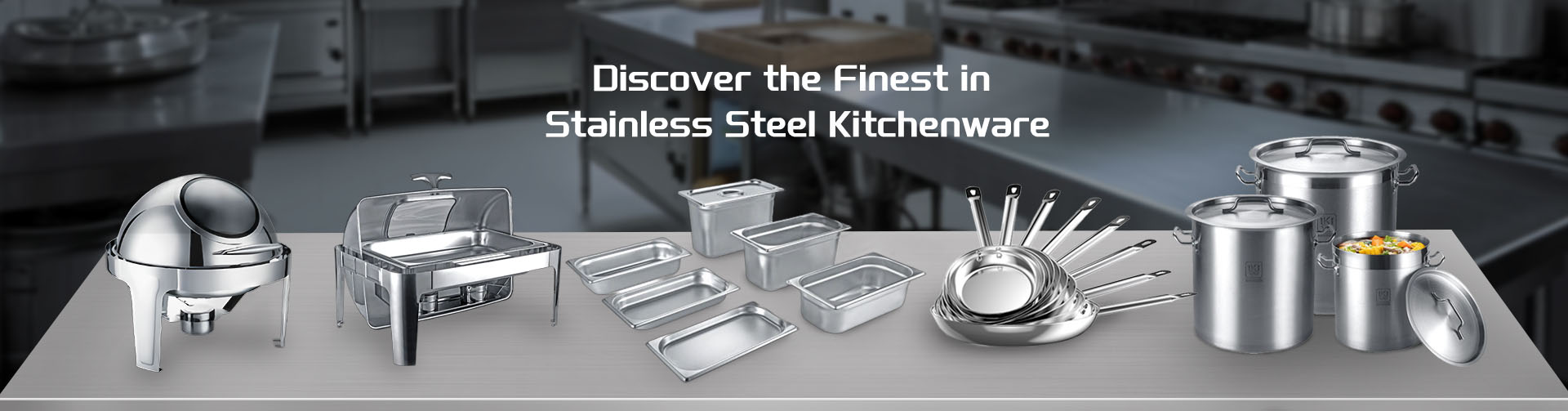
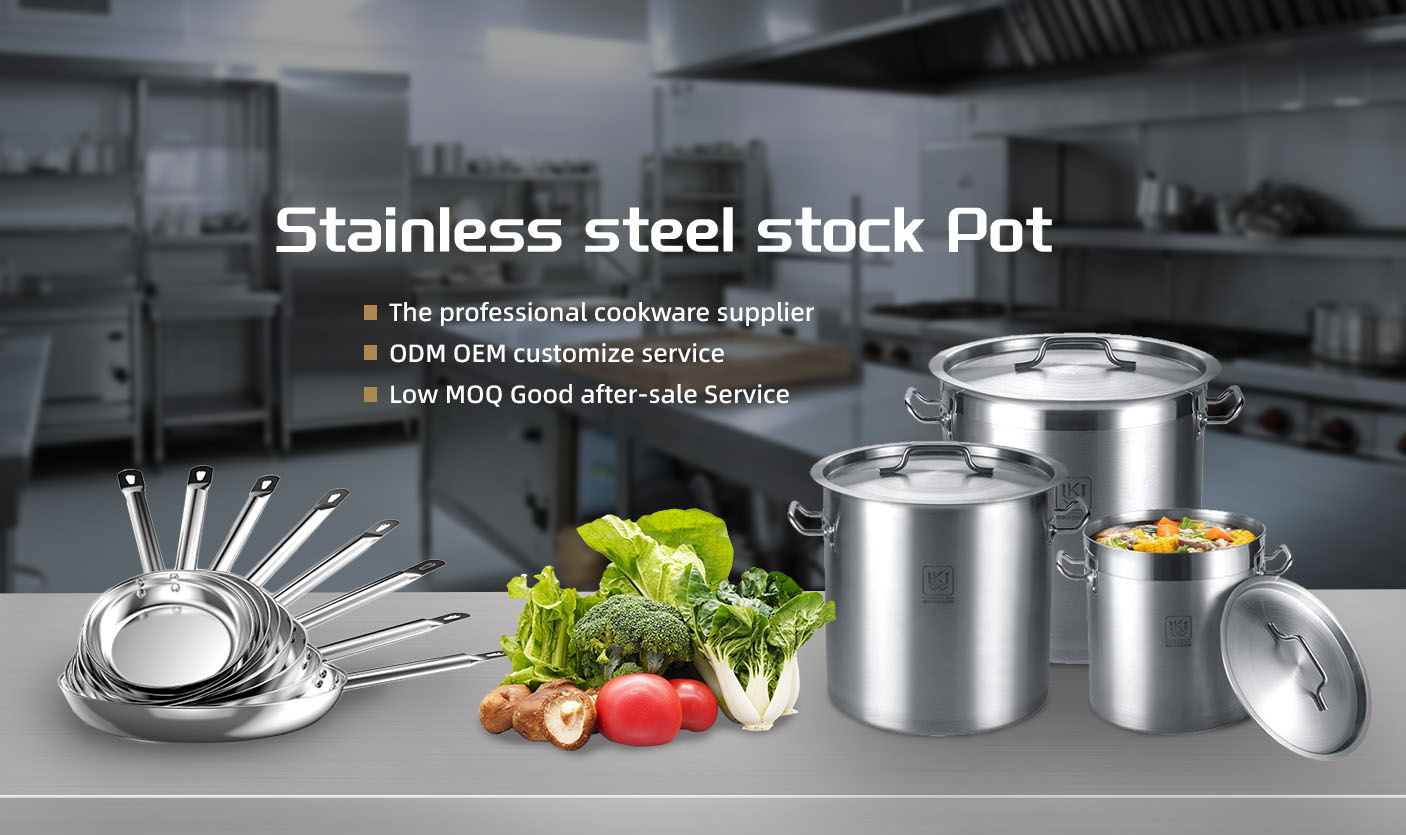
Our frying-pan programme can be coordinated with Stainless Steel Stock Pots, Griddle Pans, GN Containers, Chafing Dishes, trays, trolleys, and buffet equipment for one-stop commercial kitchenware purchasing.
Customization can include:
Pan diameter and depth
Base material and construction
Non-stick coating direction
Interior and exterior colors
Handle style
Induction compatibility
Logo
Care instructions
Retail boxes
Bulk export cartons
Provide the required frying-pan sizes, target cooking use, coating specification, stovetop compatibility, order volume, and packaging direction.
Our team can prepare samples and a quotation for a cookware range designed around practical cleaning and repeated use. Coating confirmation, OEM/ODM adjustments, quality inspection, branded care instructions, and export delivery can be included in the supply plan.
Previous: What Is GN Size?