kelley@u-kitchenwares.com
+86-15819924651
+86-0750-3719388

Bratwurst can be pan-fried by cooking it gently until the center reaches a safe temperature and then browning the exterior. Raw brats need to be cooked through, while fully cooked brats mainly need reheating and surface color.
Using extremely high heat from the beginning can burn the casing while leaving the center undercooked. A two-stage method with moderate heat produces more even results.
Check the package before cooking.
Raw bratwurst normally contains uncooked pork, beef, poultry, or a mixture. It requires full cooking.
Pre-cooked bratwurst has already received a cooking step and usually needs reheating according to its package instructions.
Do not judge the product only by color. Some raw sausages appear pale, while some pre-cooked sausages remain pink because of their seasoning or processing method.
Keep raw brats separate from cooked food, serving plates, and clean utensils.
This method gives the casing color while helping the center cook evenly.
Place a frying pan over medium heat and add a small amount of oil. Arrange the bratwurst in one layer without overcrowding.
Brown the sausages lightly on several sides. Turn them with tongs rather than piercing the casing.
Add a small quantity of water, stock, or another cooking liquid. The liquid should cover only the bottom portion of the brats rather than completely submerging them.
Reduce the heat, cover the pan, and allow the sausages to cook gently. Turn them occasionally so the heat reaches all sides.
Remove the lid when the center is nearly cooked. Allow the remaining liquid to evaporate and continue turning the brats until the casings are evenly browned.
Preheat the frying pan over medium-low to medium heat and add a thin layer of oil.
Place the brats in the pan and cook them slowly, turning every few minutes. This method takes longer but avoids a separate simmering stage.
Reduce the heat when the casing browns too quickly. The goal is to allow heat to move gradually toward the center.
Do not press the sausages flat with a spatula. Pressure can split the casing and release moisture and fat into the pan.
Cooking time changes with sausage diameter, meat composition, starting temperature, and pan heat.
Use an instant-read food thermometer. Insert it into the center from the end or side while avoiding contact with the frying pan.
Raw sausage made from beef, pork, lamb, or veal should generally reach at least 71°C or 160°F. Poultry sausage should reach 74°C or 165°F.
Follow the package instructions and local food-safety requirements when they specify a different process.
Color, firmness, and clear juices are not reliable substitutes for temperature measurement.
Bratwurst is commonly served with pan-cooked onions.
For softer onions, cook them separately before the brats or add them after the sausages have developed light color. Reduce the heat and allow the onions to soften slowly.
For deeper browning, remove the cooked brats temporarily and continue cooking the onions in the remaining fat.
Return the sausages only after the onions reach the required color.
Do not allow sugary sauces to remain over strong heat for too long. Barbecue sauce, honey glaze, and sweet mustard can burn onto the pan surface.
The heat may be too high, the brats may have been pierced, or pressure may have built up during rapid cooking.
Use moderate heat and turn with tongs.
Lower the burner setting and add a small amount of liquid. Cover the pan so heat can circulate more gently.
Allow the pan to preheat, use sufficient oil, and avoid moving the sausages continuously before the surface begins to brown.
Remove badly burned material before beginning another batch. Burned seasoning can create bitter flavor and dark marks on the next sausages.
Restaurants, caterers, hotels, and food stalls may cook several bratwurst portions repeatedly.
A suitable commercial frying pan should provide:
Enough cooking area for one layer
A stable and flat base
Strong handle attachment
Controlled heat distribution
A surface that tolerates repeated washing
A profile that contains oil and cooking liquid
Compatibility with the kitchen’s burners
Stainless steel supports browning and repeated high-use cleaning. A non-stick pan may simplify release at moderate temperatures, but the coating must be protected from sharp utensils and overheating.
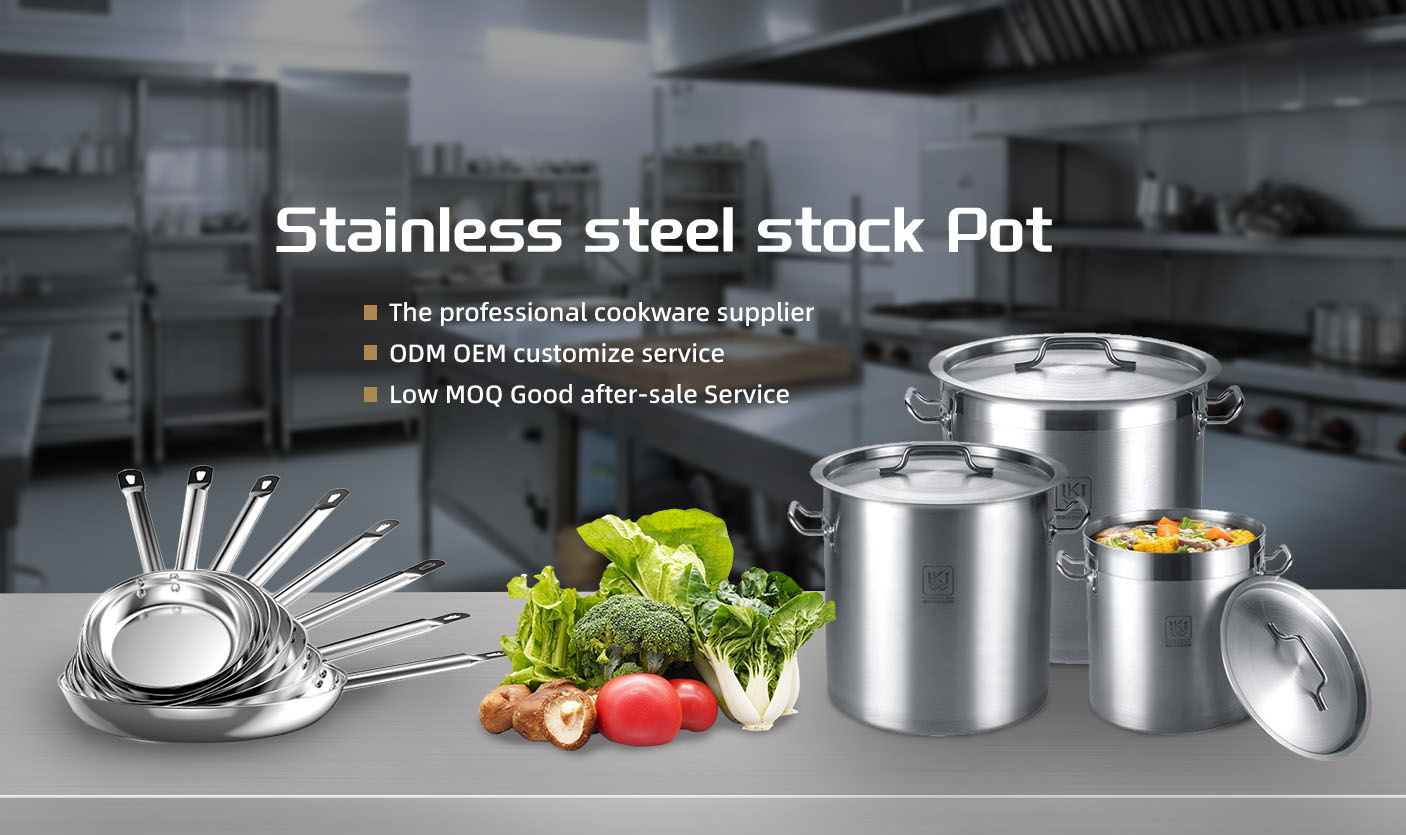
We provide Bulk Supply of Stainless Steel Frying Pans for restaurant suppliers, catering companies, kitchenware importers, hospitality distributors, and retail brands.
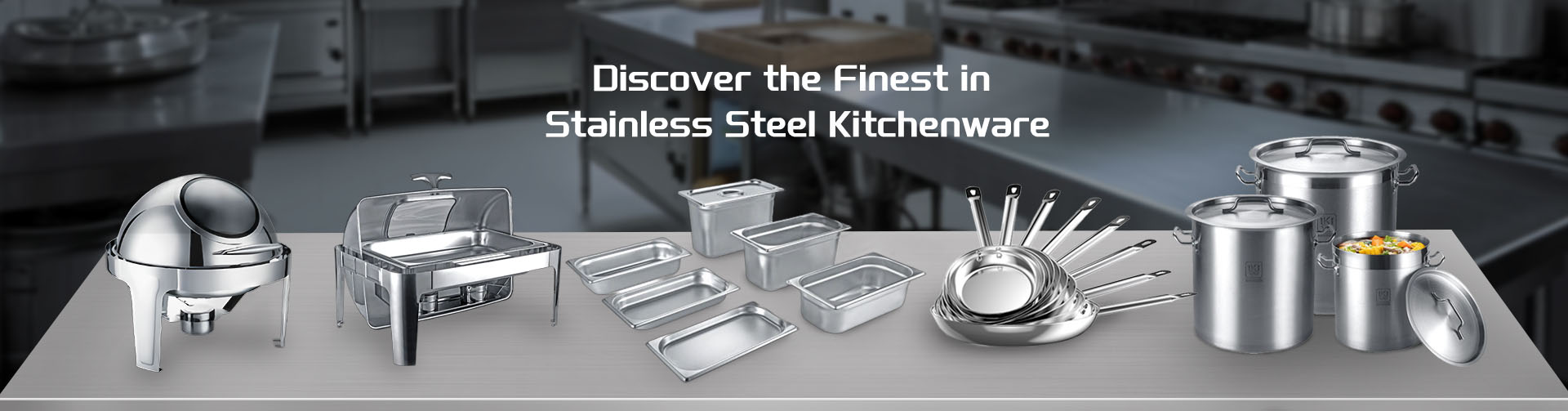
Our factory operates independent production workshops with automated equipment and an experienced product-development team. Cookware can be coordinated with stock pots, gn pans, Chafing Dishes, trays, serving carts, and other commercial kitchen equipment.
Bulk orders can include:
Several frying-pan diameters
Different body and base thicknesses
Flat or raised cooking profiles
Long and helper handles
Stainless steel or coated surfaces
Induction-compatible bases
Logo marking
Bulk cartons or individual boxes
Provide the required sizes, kitchen application, preferred construction, coating direction, quantity by model, and packaging requirements.
Our team can prepare a bulk-supply proposal for restaurant, catering, retail, and private-label cookware programmes. Samples, production scheduling, quality inspection, model-separated cartons, and export documentation can be included.