kelley@u-kitchenwares.com
+86-15819924651
+86-0750-3719388

The amount of water needed in a Chafing Dish depends on the water pan size, service time, heat source, and food type. In most cases, the water pan should be filled with enough hot water to cover the bottom and create even heat below the food pan, but it should not be filled so high that water touches the food pan too aggressively or spills during service.
Many operators fill the water pan to about one-half to two-thirds of its practical depth. The exact level should always follow the chafing dish design and the user instructions supplied with the product.
Water works as a heat buffer between the burner and the food. Instead of allowing flame or electric heat to strike the food pan directly, the water spreads heat more gently across the bottom of the pan.
This is important for dishes that can dry, burn, or separate when exposed to strong direct heat. Sauces, stews, vegetables, rice, pasta, and soups usually benefit from indirect warming.
A chafing dish without enough water may create hot spots and damage the food quality during longer buffet service.
For faster setup, use hot water in the water pan before placing the food pan above it. Cold water takes longer to heat and may delay the buffet line.
Hot water also helps the system reach a stable temperature more quickly. This is useful for hotels, event venues, and catering teams that need multiple chafing dishes ready at the same time.
Do not overfill the pan simply to extend service time. A safer method is to check and replenish water during service.
The water level should be deep enough to avoid drying out before the service ends. At the same time, there should be enough space below the rim to prevent spilling when the chafing dish is moved or when the food pan is inserted.
A practical setup process is to fill the lower pan, place the food pan into position, and check whether the water remains stable. If water rises too close to the top edge, remove some before lighting the burner.
This small check can prevent messy buffet tables and reduce the risk of hot water spills.
Water can evaporate during long service, especially when the heat source is strong or the lid is opened frequently. Staff should inspect the water level during the event rather than assuming it will remain unchanged.
If the water pan becomes dry, the food pan may overheat. This can cause burnt food, pan discoloration, and poor serving quality.
Add hot water carefully when needed. Avoid splashing water near open flame, electric components, or guests.
A round chafing dish, rectangular roll-top chafer, foldable chafer, and electric food warmer may all require different water levels. Larger pans usually need more water because they cover a wider area and may operate for longer service periods.
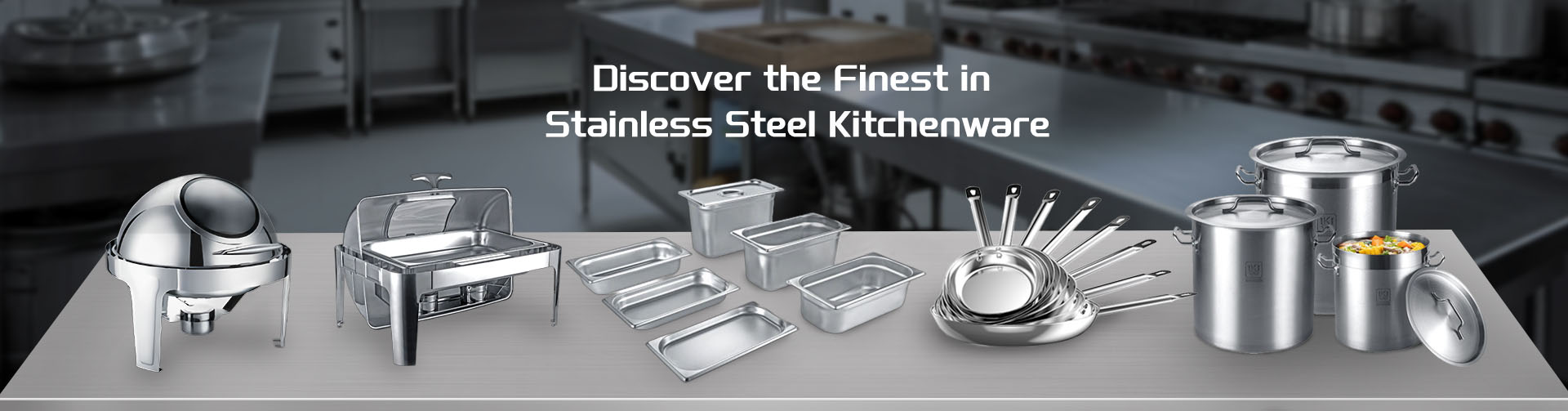
Our stainless steel roll top chafing dish is designed for buffet food warming and presentation, while round and economy models can suit different catering formats.
The product structure should guide the water level, not only a general rule.
Fuel-heated chafing dishes use burners below the water pan. The flame may vary depending on fuel type, airflow, and burner placement.
electric chafing dishes offer more controlled heating in some service environments, but they still need proper setup and safe operation. If the unit uses water, the water level should be checked according to the product instructions.
For commercial buyers, fuel type, available power supply, safety requirements, and event location should be considered before choosing the model.
Many buffet problems come from simple setup errors. Too little water may burn food or discolor pans. Too much water may spill when staff move the equipment or when guests open the lid.
Operators should also avoid adding cold water during active service unless necessary. Cold water can reduce holding performance and may affect food temperature stability.
The best practice is controlled filling, regular checking, and careful refilling.
We supply chafing dishes for restaurants, hotels, catering companies, event suppliers, and kitchenware distributors. Our product options include different shapes, capacities, lid structures, and heating styles.
For OEM and ODM projects, buyers can discuss the pan depth, water pan design, burner holder, lid movement, frame structure, stainless steel finish, and packaging. These details affect both performance and user convenience.
A chafing dish water pan is usually filled to a moderate working level, often around half to two-thirds of the pan depth, depending on the model. The water should support even heating without spilling or touching the food directly.
Always check the product design and keep enough water in the pan during service.
Provide your required chafing dish size, food pan type, heating method, lid style, serving environment, packaging, and quantity. We can help recommend a suitable buffet warmer structure.
Previous: How Do Chafing Dishes Work?
Next: What Are Chafing Dishes?