kelley@u-kitchenwares.com
+86-15819924651
+86-0750-3719388

Food trucks depend heavily on where customers are and how willing they are to wait outdoors. Weather, daylight, school terms, tourism, festivals, and local events can change sales even when the menu remains the same.
Seasonal planning is not limited to replacing cold drinks with hot soup. Operators may also need to change service locations, ingredient purchasing, staffing, equipment use, and opening hours.
Spring often brings markets, sports events, school activities, and more outdoor foot traffic. It can also bring frequent rain and unpredictable temperature changes.
A truck that prepares for only sunny days may lose stock when an event is cancelled. Spring purchasing should therefore remain flexible, especially for ingredients with short shelf lives.
Operators can prepare a mixed menu with one or two warm products and several lighter options. Packaging should protect food during rain, and electrical connections must be kept suitable for outdoor conditions.
This is also a good time to inspect the truck after winter, including refrigeration, water tanks, ventilation, cooking equipment, seals, and serving windows.
Summer can be the busiest period for food trucks serving festivals, beaches, parks, tourist areas, and evening events.
Higher customer volume is positive, but hot weather adds pressure to ingredient storage and staff working conditions.
Refrigerators may recover more slowly when doors are opened repeatedly. Ice melts faster, beverages require more storage, and ingredients exposed near the service window can warm quickly.
Operators should reduce the time that food remains outside refrigeration and prepare smaller working batches during service.
Cold drinks, fruit, grilled foods, salads, and easy-to-carry snacks may perform better in hot weather than heavy meals.
The strongest summer menu is not necessarily the largest. A shorter menu can improve service speed when queues are long.
Autumn often combines comfortable outdoor temperatures with school activities, sporting events, harvest markets, and community festivals.
It is a useful season for introducing soup, chili, hot sandwiches, roasted vegetables, and warm beverages without removing every summer item.
An afternoon event may begin in warm sunlight and end in cold evening air.
Food trucks can prepare by offering a menu that works across both conditions. Service equipment should also be protected from wind, moisture, and falling leaves at outdoor sites.
In colder regions, casual street traffic may decrease sharply. A truck may need to move closer to customers rather than waiting for them to visit an outdoor market.
Possible winter locations include:
Factory entrances
Office parks
Construction sites
Hospitals
University campuses
Indoor exhibition venues
Holiday markets
Private catering events
Preorders and scheduled workplace service can make demand easier to forecast.
Soup, curry, stew, pasta, and hot beverages are attractive in cold weather, but they must remain suitable throughout service.
A Commercial Soup Warmer provides a dedicated serving point for prepared soup. It can reduce the need to repeatedly return the product to the cooking pot and allows staff to portion food near the service window.
The soup should be heated correctly before entering the warmer. A holding appliance should not be treated as a rapid reheating system unless its instructions specifically allow that use.
| Season | Main Sales Opportunity | Main Operational Risk |
|---|---|---|
| Spring | Returning markets and outdoor events | Rain and cancelled bookings |
| Summer | Festivals, tourism and evening service | Refrigeration load and staff heat |
| Autumn | Community events and mixed menus | Changing daytime temperatures |
| Winter | Workplace service and hot meals | Reduced casual foot traffic |
This table provides a starting point, but local climate and customer habits remain more important than the calendar alone.
Seasonal menu planning affects more than ingredients.
A winter operation may need more lidded containers, soup ladles, insulated carriers, and warm beverage dispensers. Summer service may need additional drink containers, ice-handling equipment, and refrigerated storage.
Ordering too much specialized equipment for one short season can tie up cash. Multi-purpose GN pans, stock pots, and serving containers are easier to use across different menus.
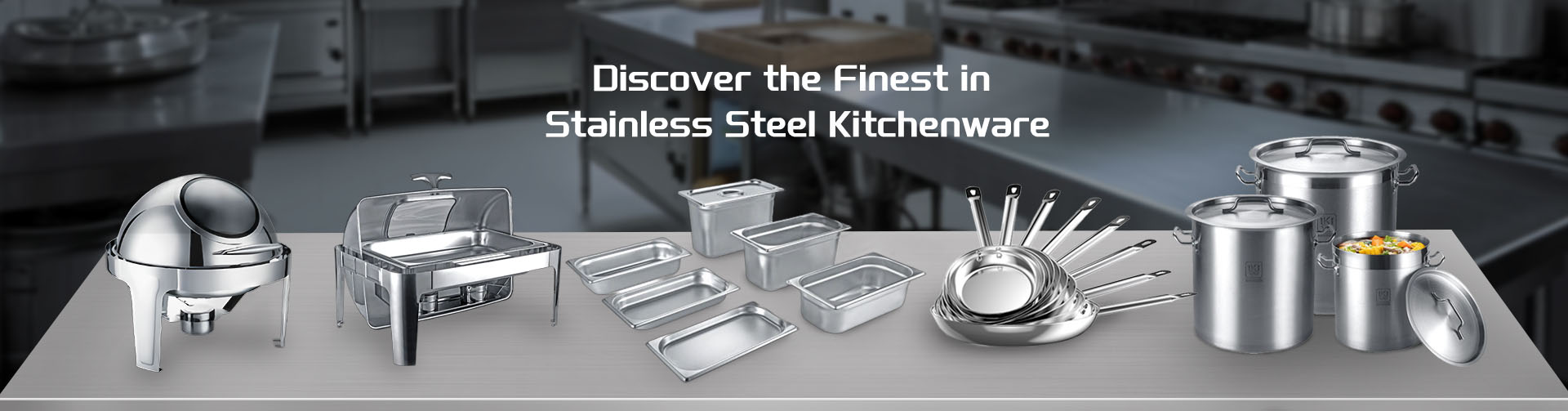
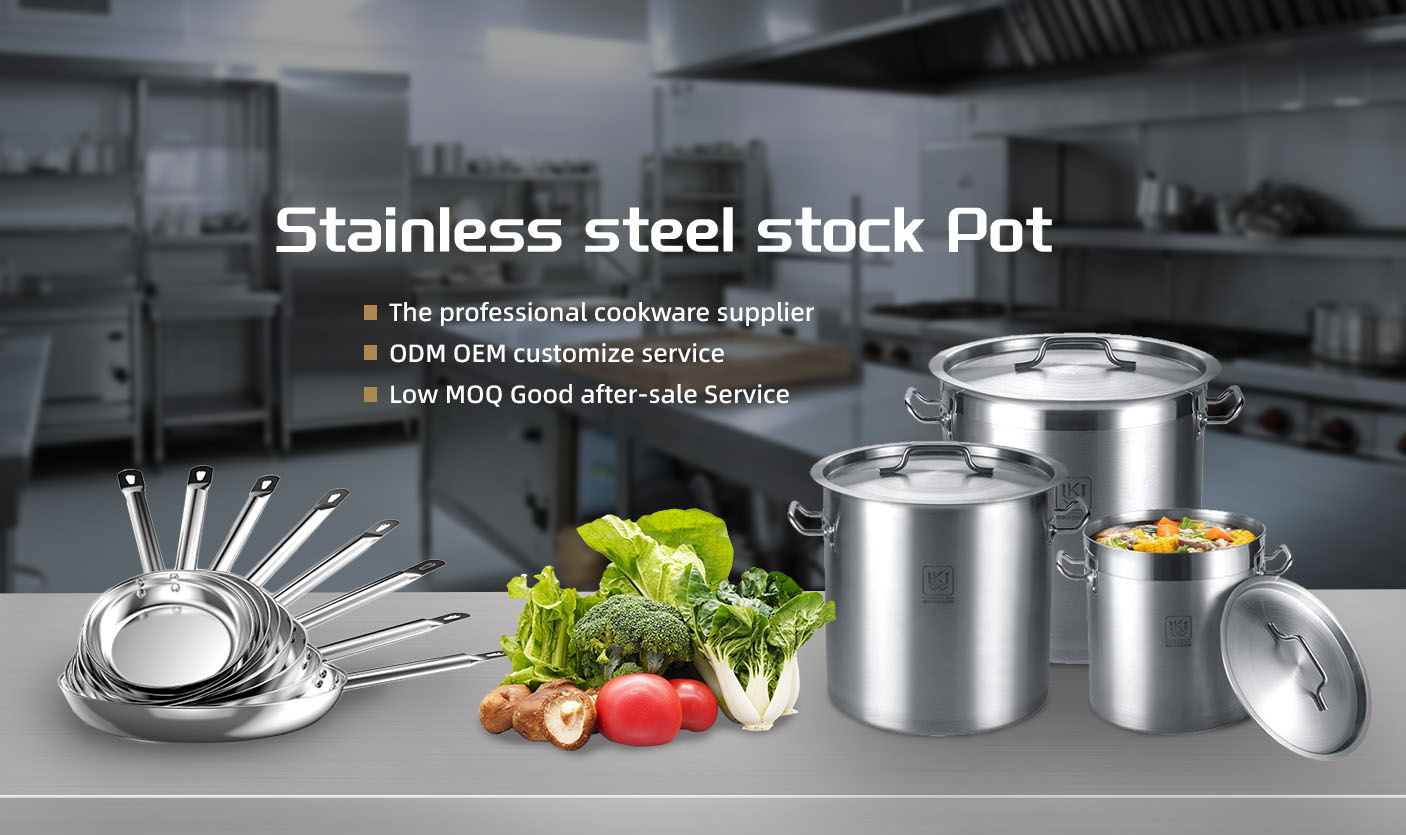
Our product range includes Soup Kettles, Chafing Dishes, GN pans, Stainless Steel Stock Pots, beverage dispensers, BBQ Griddles, and compact serving equipment.
For mobile operations, buyers can discuss capacity, footprint, handles, lids, voltage, heating method, and packaging. Compact equipment must still be large enough for peak demand and stable enough for repeated setup and transport.
Our design and production teams can review customized structures and packaging for food truck suppliers, catering companies, rental businesses, and commercial kitchen distributors.
Share the food truck layout, menu, daily serving volume, available power, required holding time, product capacities, and destination market.
We can use this information to recommend a Commercial Soup Warmer and matching food-service products before seasonal demand begins.