kelley@u-kitchenwares.com
+86-15819924651
+86-0750-3719388

Soup made in a crock pot can remain thinner than expected because the covered cooking environment allows very little moisture to escape. Vegetables may also release water during cooking, while frozen ingredients and high-moisture meats can further dilute the broth.
The best thickening method depends on the soup style, ingredients, remaining cooking time, and desired texture. A clear chicken soup needs a different approach from creamy mushroom soup, lentil soup, or beef stew.
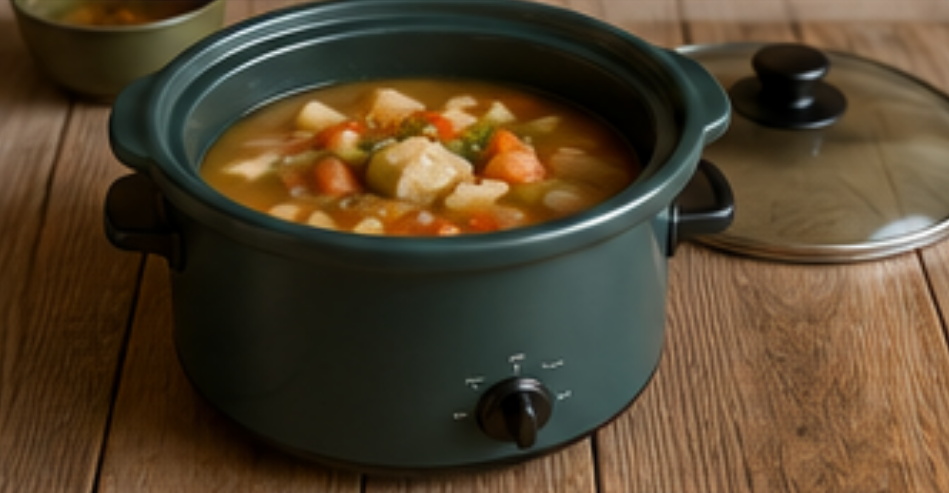
Before adding flour or starch, stir the soup thoroughly and check whether the liquid has separated from the solid ingredients.
A soup may only appear thin because the vegetables, beans, or meat have settled at the bottom.
A thickener added too early may continue absorbing liquid and create an overly heavy texture.
For most slow-cooker recipes, final thickening is easier to control during the last 20 to 40 minutes.
A slurry is one of the fastest ways to thicken soup without creating flour lumps.
Mix cornstarch with an equal amount of cold water, broth, or another cool liquid. Stir until the mixture is completely smooth before adding it to the crock pot.
Begin with approximately one tablespoon of cornstarch for every one to two cups of soup liquid.
Add the slurry gradually while stirring. Allow the soup to cook until the starch activates and the texture becomes visibly thicker.
The exact amount depends on the recipe and desired consistency, so it is safer to add less first and repeat if necessary.
Dry cornstarch forms small lumps when it contacts hot liquid.
These lumps may remain visible even after prolonged cooking. Always dissolve the starch in cold liquid before adding it to the soup.
Reduction thickens soup by allowing excess water to evaporate.
Remove the lid or position it slightly open only when the crock-pot manufacturer allows this method. Continue cooking on the suitable setting while stirring occasionally.
Reduction is useful for:
Tomato soup
Beef stew
Bean soup
Vegetable soup
Broth-based recipes
Sauces with concentrated flavor
It may not be suitable when the solid ingredients are already fully cooked and could become too soft.
Beans, potatoes, lentils, pumpkin, squash, and root vegetables can thicken soup naturally.
Remove one or two cups of the cooked ingredients, blend them until smooth, and return the mixture to the crock pot.
An immersion blender can be used directly in some removable crock-pot inserts.
Switch off the appliance before blending, keep the blade below the surface, and avoid contacting the insert. Follow the appliance instructions before using any tool inside the pot.
A roux is made by cooking flour with butter or another fat before combining it with liquid.
Prepare the roux in a separate pan, then gradually whisk in a small amount of hot soup. Once smooth, stir the mixture into the crock pot.
Cooking the flour helps reduce its raw taste and creates a smoother result.
Adding uncooked flour directly to the crock pot may create lumps and leave a powdery flavor.
Cream, evaporated milk, cream cheese, or a suitable dairy alternative can make soup feel thicker and richer.
Add dairy near the end of cooking to reduce the risk of separation.
High heat can cause some dairy products to split or become grainy.
Use a lower setting after adding cream and stir the soup gently.
| Soup Type | Suitable Thickening Method |
|---|---|
| Clear chicken or vegetable soup | Light starch slurry |
| Beef stew | Reduction, flour roux, or starch |
| Potato soup | Puréed potatoes or cream |
| Bean soup | Puréed beans |
| Tomato soup | Reduction or cream |
| Lentil soup | Natural purée or continued cooking |
| Gluten-free soup | Cornstarch, potato starch, or puréed vegetables |
Always check dietary requirements before selecting a starch or dairy product.
Soup continues to thicken as it cools.
Stop adding starch when the hot soup is slightly thinner than the final desired texture. If the soup becomes too thick, add warm stock or water in small amounts and stir thoroughly.
A crock pot is useful for preparation, but professional service may require equipment designed for repeated portioning and controlled hot holding.
A Stainless Steel Soup Kettle can provide a dedicated serving point for soups, sauces, curries, and stews in restaurants, hotels, canteens, and buffet areas.
The serving kettle should not be used to correct unsafe cooling or incomplete reheating. Food should be prepared and heated correctly before it enters the holding unit.
We manufacture stainless steel soup kettles, electric food warmers, Chafing Dishes, stock pots, gn pans, beverage dispensers, and serving carts.
Our production system covers product design, mold development, forming, assembly, inspection, and packaging. Buyers can discuss capacity, heating method, lid design, temperature control, surface finish, logo, accessories, and carton requirements for OEM and ODM orders.
Planning soup-service equipment for hotels, restaurants, cafeterias, catering companies, or distributors?
Send us your required capacity, heating method, voltage, temperature-control requirement, lid structure, finish, logo, packaging, and order quantity. We will prepare a suitable Stainless Steel Soup Kettle proposal.