kelley@u-kitchenwares.com
+86-15819924651
+86-0750-3719388

A Griddle Pan is good for high-heat cooking that benefits from strong surface contact, fast browning, and efficient batch work. Unlike a deep skillet that is designed for sauces, simmering, and stirring, a griddle pan is built to deliver grill-style results on a stovetop by combining a broad cooking area with ridges that lift food slightly above rendered fat. That design makes it especially useful for searing proteins, cooking breakfast in volume, browning vegetables without turning them soggy, and creating crisp, toasted surfaces on sandwiches and flatbreads.
This guide explains what a griddle pan does best, which foods show the biggest improvement, how to use it correctly for consistent results, and what to look for when choosing one. The recommendations align with UKW’s product solutions, including the griddle pan options designed for practical home and commercial kitchen use.
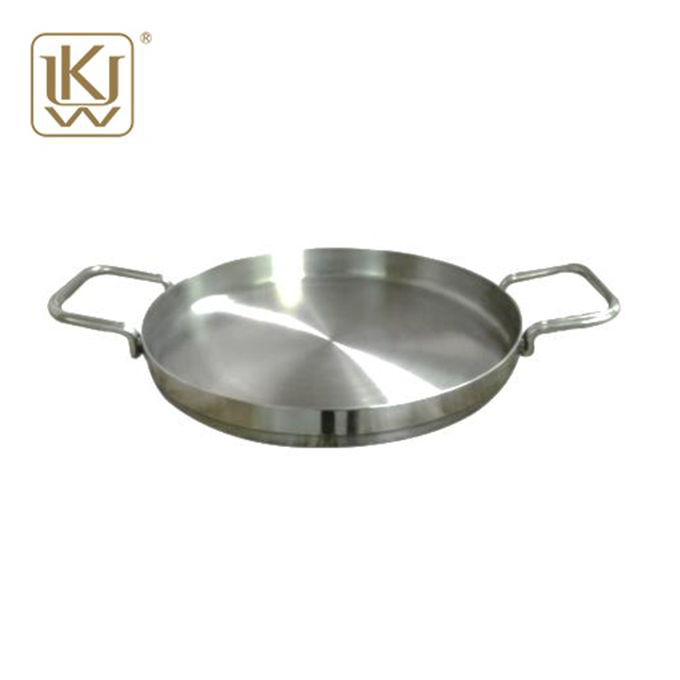
A griddle pan is not simply a pan with lines. The ridges and the larger cooking surface change how heat, moisture, and fat behave during cooking.
The ridges help manage grease
When cooking fatty foods, grease flows into the channels instead of pooling directly under the food. That keeps the surface contact cleaner and can improve the texture of the final bite.
The broad surface improves batch cooking
Many griddle pans provide more usable cooking area than a typical round skillet, which reduces the number of cooking rounds needed for breakfast, meal prep, or family cooking.
The design supports faster browning
Browning requires high surface heat and reduced surface moisture. A griddle pan makes it easier to maintain a hot, stable cooking zone, especially when you cook multiple items at once.
A griddle pan is most valuable when your meals rely on searing, browning, and texture.
Steaks, chicken breasts, pork chops, fish fillets, and shrimp benefit from a stable hot surface. A griddle pan helps these foods develop better exterior browning while keeping the interior juicy, as long as the pan is properly preheated and you avoid overcrowding. The raised ridges also reduce direct grease contact for meats that release fat, which can lead to a cleaner surface texture.
Burgers and sausages are classic griddle-pan foods because they release fat quickly. On a flat pan, that fat can pool around the food, which sometimes leads to a softer exterior. On a griddle pan, fat can move into the channels, keeping the meat in contact with hot ridges instead of sitting in grease. This supports better browning and a less oily mouthfeel.
Vegetables such as zucchini, eggplant, peppers, onions, mushrooms, and asparagus often turn watery if the pan temperature drops or if moisture cannot escape. A griddle pan helps maintain heat and gives vegetables direct contact zones for browning. The ridges also create air gaps that help surface moisture evaporate faster, improving texture and preventing sogginess.
A griddle pan is ideal for breakfast because it can cook multiple items at once. Bacon, breakfast sausages, hash browns, pancakes, and toast-style items all cook well on a broad hot surface. Less time cooking in rounds means fewer temperature swings and more consistent results.
Griddle pans are excellent for grilled sandwiches, quesadillas, wraps, and flatbreads because they deliver surface crisping quickly. The heat concentrates on the contact points, so bread browns faster. This is especially useful if you want a crisp exterior without drying the filling.
A griddle pan is not the best tool for every recipe. Knowing its limitations helps you decide when to use it.
Sauces and deglazing-heavy cooking
Ridges reduce the uniform flat contact that helps build fond across a skillet, so pan sauces and deglazing are usually easier in a regular skillet.
Stir-fry or frequent tossing
The ridges can make fast stirring less smooth, especially for small ingredients.
Recipes with sticky marinades and sugar
Sticky sauces can burn in the channels and increase cleaning time. You can still cook these foods, but temperature control and cleaning effort become more demanding.
Many people get disappointing results because they treat a griddle pan like a normal pan. A few adjustments improve outcomes immediately.
Preheat long enough
A griddle pan needs time to reach stable searing temperature. Proper preheating reduces sticking and improves browning.
Lightly oil the food, not the pan
Oiling the food reduces excess oil in the channels and helps create cleaner sear marks.
Avoid overcrowding
Too much food lowers the surface temperature and causes steaming. Batch cooking is still effective because the surface area is large, but it still needs spacing.
Let food release naturally
If food sticks, it often means the surface has not browned fully yet. Once browning develops, the food releases more easily.
Rest proteins after cooking
Resting keeps juices in the meat and improves final texture, especially with steaks and chicken.
UKW griddle pans are designed to support these workflows with practical heat performance and user-friendly handling. You can view specifications and options here: griddle pan.
| Food type | Why a griddle pan helps | What to focus on |
|---|---|---|
| Steak, chops, chicken | Strong browning and stable heat | Preheat, do not overcrowd |
| Burgers, sausages | Grease moves into channels | Moderate heat to prevent flare-like smoke |
| Vegetables | Better browning, less steaming | Dry surfaces before cooking |
| Pancakes, bacon, breakfast | Large batch surface | Heat stability across the pan |
| Sandwiches, flatbreads | Crisp contact and fast toasting | Press lightly for uniform contact |
A griddle pan is good for you only if it performs reliably and feels easy to use repeatedly. UKW focuses on kitchenware built for practical cooking, supporting both home and commercial buyers with product options designed for searing, browning, and batch cooking workflows. For sourcing, distribution, or project needs, UKW also supports specification clarification and stable supply.
Explore the UKW option here: griddle pan.
A griddle pan is good for searing proteins, cooking burgers and sausages with better grease control, browning vegetables without sogginess, making breakfast efficiently, and crisping sandwiches and flatbreads. It is less ideal for sauces, deglazing-focused recipes, and sticky marinades that can burn in the channels. If your weekly cooking includes searing, batch breakfast, or grilled-style textures, a griddle pan is one of the most practical upgrades you can add to your kitchen, and UKW provides dedicated options through its griddle pan product line.
Previous: How Many Quarts in A Full Steam Pan?