kelley@u-kitchenwares.com
+86-15819924651
+86-0750-3719388

Choosing the right Stainless Steel Stock Pot size is not just about how many liters it can hold. In a restaurant kitchen, pot size affects prep speed, burner efficiency, food quality, labor workload, and even safety. A pot that is too small forces extra batches and rush-time refills. A pot that is too large wastes energy, takes longer to heat, and becomes harder to lift and clean.
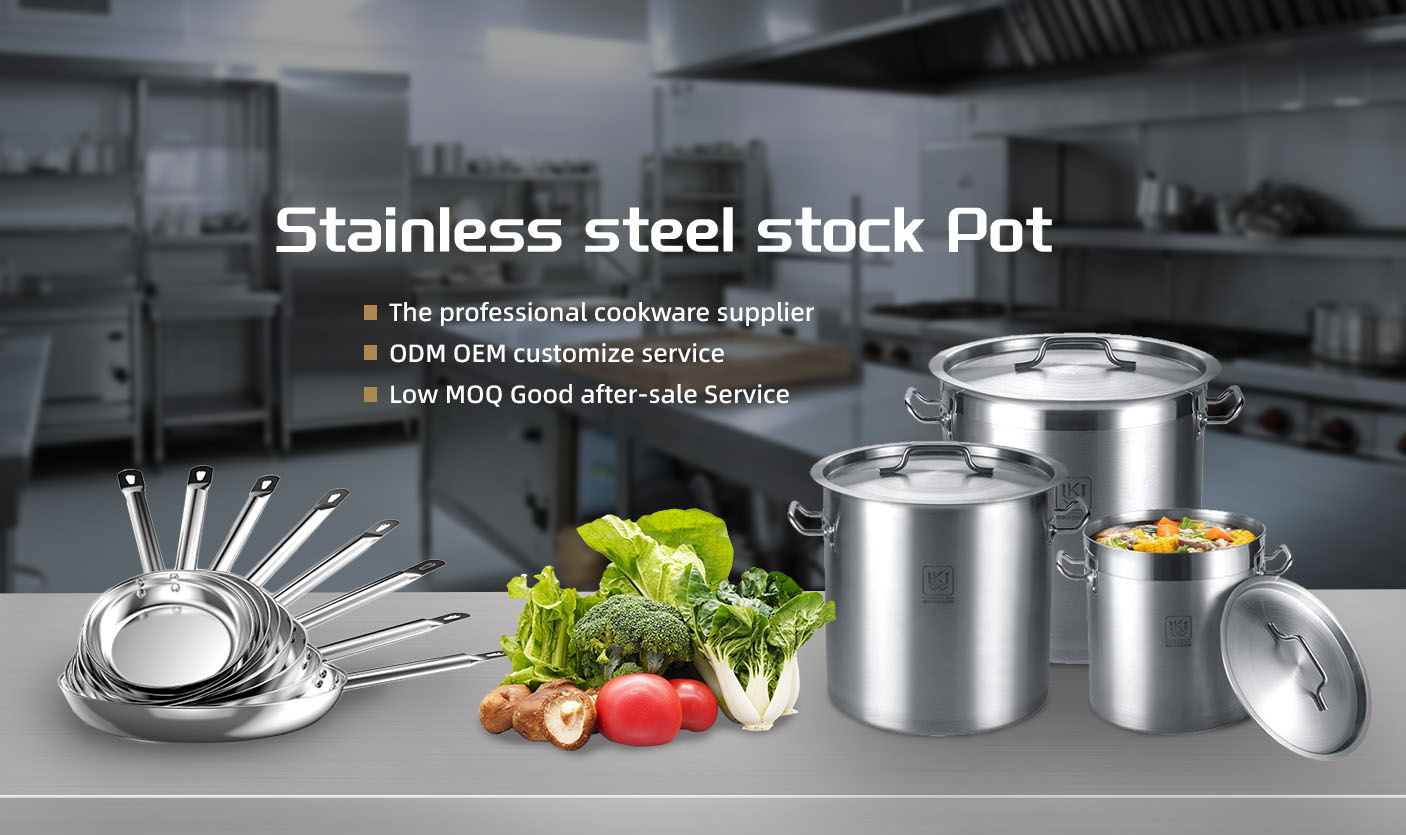
This guide explains how to select the best stock pot size for your menu and service volume, with practical sizing logic you can apply immediately. If you want to compare commercial options built for catering and restaurant workflows, see UKW’s stainless steel stock pot range.

Restaurants use stock pots for more than stock. The same pot might be used for broths, soups, noodles, corn, shellfish boils, sauces, chili, blanching vegetables, or hot-water holding. Each use behaves differently in volume planning because some foods foam, some need headspace for stirring, and some must boil vigorously to stay consistent.
A practical sizing method is to define your most demanding use case first. If you cook noodle water during peak hours, that usually needs more pot capacity than simmering small-batch soup. If you do bulk soup for banquets, soup volume becomes the driver. Once you identify the heaviest use case, other tasks can fit into the same size family more easily.
Commercial kitchens rarely fill a stock pot to the rim. You need headspace for boiling movement, stirring, foam control, and safe carrying. This is why two restaurants can buy the same nominal size pot and have very different real output.
A safe rule for many kitchens is to treat working capacity as a portion of the pot’s maximum capacity:
For boiling and pasta water, working capacity is often lower because of motion and splash risk.
For simmering soups and stocks, working capacity can be higher but still needs room for skimming and stirring.
| Cooking Task | Recommended Working Fill Level | Why It Matters |
|---|---|---|
| Boiling water or noodles | 60–70% | Reduces boil-over and splash risk |
| Stocks and broths | 70–80% | Allows skimming and prevents overflow |
| Thick soups and chili | 65–75% | Makes stirring easier and reduces scorching |
| Blanching vegetables | 55–65% | Keeps rapid boil recovery after loading |
| Shellfish boil or corn | 60–70% | Leaves room for food displacement |
If your restaurant often runs fast refills, choosing a pot size based on working capacity helps you avoid constant topping-up without pushing the pot into unsafe fill levels.
Restaurants commonly operate in batches, not continuous cooking. Your best size depends on whether you prefer one large batch per shift or smaller batches refreshed more often. Large-batch cooking reduces labor and setup time, while smaller batches can improve freshness and reduce waste if demand fluctuates.
| Operation Type | Typical Stock Pot Size Range | Best Use Examples |
|---|---|---|
| Small café, bistro | 8–20 qt | soup of the day, small broth prep, hot water |
| Mid-size casual dining | 20–40 qt | soup, sauce base, pasta water, blanching |
| High-volume restaurant | 40–60 qt | large broth, frequent noodle boiling, batch soup |
| Catering, banquet | 60–100+ qt | bulk soup and stock, event prep, commissary cooking |
Use this table as a starting point, then adjust based on your highest-volume menu item and how many batches you run per day.
Portion math becomes useful when your stock pot is mainly used for soup, broth, or chili. Estimate your total volume needed during a typical service window, then decide whether you prefer one batch or two.
A quick approach is to calculate in quarts or liters, then choose a pot that holds the working capacity you actually need.
| Portion Size | Approx Volume | 50 Portions | 100 Portions |
|---|---|---|---|
| 8 oz serving | 0.25 qt | 12.5 qt | 25 qt |
| 12 oz serving | 0.375 qt | 18.75 qt | 37.5 qt |
| 16 oz serving | 0.5 qt | 25 qt | 50 qt |
If you serve 100 bowls of 12 oz soup during lunch and want a single batch, a pot with a working capacity around 40 qt is usually more practical than a smaller pot that forces a second batch during peak.
A large stock pot is only useful if your kitchen can heat it efficiently and handle it safely. Many size problems are actually equipment mismatch problems.
First check your heat source. A tall pot on a small burner can create slow heat-up and uneven simmer behavior. Then check your hood and clearance. If the pot is too tall, you might lose access under the hood or hit shelves when stirring. Finally check cleaning logistics. Some kitchens buy a big pot and later realize it cannot fit into the sink or dish area, which increases labor and reduces sanitation speed.
Two practical checks before buying a larger size:
Confirm the pot diameter matches your strongest burner area so heat is stable.
Confirm the pot can be cleaned and drained efficiently in your actual dish workflow.
Pot size is only half the decision. In restaurants, the wrong build details create daily frustration. A good commercial pot should heat consistently, handle repeated cleaning, resist warping, and support safe handling under load.
Key construction factors that affect real performance:
A stable base that supports even heating and reduces hot spots.
Strong handles designed for heavy loads and repeated lifting.
A rim and wall design that pours and drains cleanly.
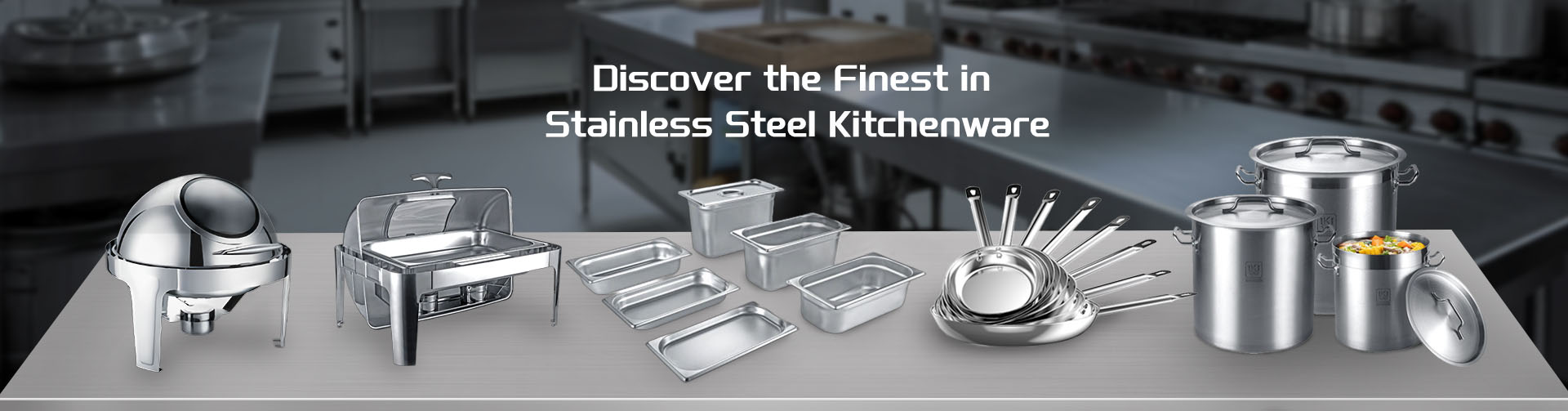
UKW focuses on stainless steel kitchen equipment and buffet products, including stock pots, GN Containers, and Chafing Dishes. The company supports OEM and ODM needs, and product development is supported by an R&D team that continues exploring functional stainless steel solutions for market demand. The factory is located in Hetang Town, Jiangmen City, Guangdong, covering about 10,000 square meters and supporting production capacity with a team size suitable for stable supply and one-stop purchasing.
For product options and specifications, visit UKW’s stainless steel stock pot page.
To keep the decision fast and accurate, use this short checklist and answer it based on your busiest day rather than average demand.
Identify your highest-volume use: soup, stock, pasta water, blanching, or boil.
Choose your batch strategy: one large batch or two smaller refresh batches.
Confirm equipment match: burner strength, hood clearance, sink cleaning workflow.
Once these three points are clear, selecting a size becomes straightforward, and you avoid the most common mistakes that cause re-buying later.
The right stainless steel stock pot size depends on working capacity, menu usage, batch strategy, and your kitchen’s equipment limits. In most restaurants, choosing based on working fill level prevents boil-overs, improves heat stability, and reduces unnecessary batches during service. If you pair that sizing logic with commercial-ready construction and consistent manufacturing, the pot becomes a dependable tool that supports speed, safety, and repeatable output.
To review professional stock pot options designed for restaurant and catering workflows, explore UKW’s stainless steel stock pot range and select the size family that matches your busiest service demands.