kelley@u-kitchenwares.com
+86-15819924651
+86-0750-3719388

Chafing Dishes are a familiar sight at buffets, banquets, and catering events, where they are used to keep prepared food warm for extended periods. However, a common question from food service operators and first-time users is whether a chafing dish can actually be used for cooking food from raw ingredients. Understanding the intended function of a chafing dish, its heating mechanism, and its limitations is essential for using it safely and effectively in professional food service environments.
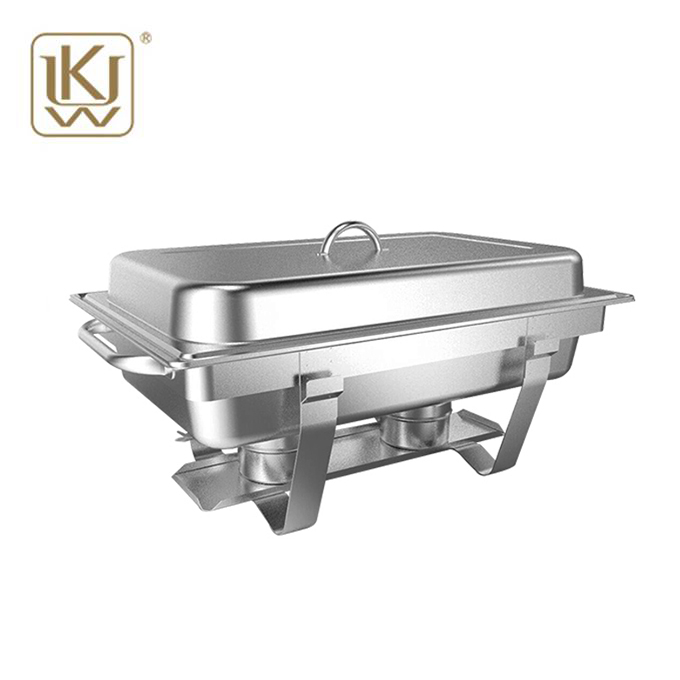
A chafing dish is designed primarily for holding and maintaining food temperature, not for active cooking. Its structure typically includes a water pan, a food pan, and a heat source positioned underneath. The heat is transferred indirectly, allowing food to stay within a safe serving temperature range without burning or drying out.
This indirect heating method is intentional. It provides gentle, even warmth rather than high, adjustable heat. As a result, chafing dishes excel at preserving cooked food quality during service but are not engineered for tasks that require rapid temperature changes or precise cooking control.
Cooking raw food requires consistent high heat, accurate temperature control, and the ability to adjust heat levels quickly. Chafing dishes do not offer these capabilities. Their heat output is limited, and temperature regulation is indirect, usually relying on fuel cans or low-wattage electric elements.
Key limitations include:
Insufficient heat to cook raw meat or seafood safely
No direct contact with a high-temperature heat source
Slow temperature response when heat adjustments are needed
Increased food safety risks if used incorrectly
Because of these factors, using a chafing dish for full cooking is neither efficient nor recommended in professional kitchens.
Although chafing dishes are not cooking appliances, they can be used for certain food preparation-related tasks after the food has been fully cooked elsewhere.
Appropriate uses include:
Keeping cooked dishes warm before service
Maintaining sauces, soups, and gravies at serving temperature
Finishing gentle heat processes such as melting or holding
Preventing temperature drop during extended buffet service
These applications align with food safety guidelines and the design purpose of chafing equipment.
Some foods perform better than others when held in chafing dishes. Dishes with sufficient moisture retain quality more effectively under indirect heat.
Commonly suitable foods include:
Stews and braised dishes
Cooked rice and pasta with sauce
Steamed vegetables
Pre-cooked meats with gravy or broth
Dry foods or items that require crisp textures are generally less suitable, as prolonged holding can affect quality.
Understanding the difference between chafing dishes and cooking equipment helps avoid misuse. The table below highlights the functional differences:
| Function | Chafing Dish | Cooking Equipment |
|---|---|---|
| Primary Use | Food holding | Food preparation |
| Heat Type | Indirect | Direct |
| Temperature Control | Limited | Precise |
| Cooking Raw Food | Not suitable | Designed for it |
| Food Safety Role | Maintain temperature | Cook to safe temperature |
This distinction is critical in commercial food service planning.
In catering and hospitality operations, chafing dishes are part of the service stage, not the preparation stage. Food is typically cooked in a kitchen using proper cooking equipment, then transferred to chafing dishes for display and serving.
Professional operators value chafing dishes for their reliability, presentation, and ability to maintain food temperature across long service windows. This is why chafing dishes are standard equipment in hotels, banquet halls, and event catering setups.
UKW offers chafing dish solutions designed for professional buffet environments, focusing on stable heat distribution, durable stainless steel construction, and practical service performance. These products are intended to support food holding and presentation rather than replace cooking appliances.
To use chafing dishes correctly and safely, professional operators should follow established best practices.
Recommended guidelines include:
Always fully cook food before placing it in a chafing dish
Use water pans to regulate heat evenly
Monitor fuel or power sources during service
Stir food periodically to maintain consistent temperature
Avoid using chafing dishes for reheating raw ingredients
Following these practices helps maintain food quality and safety throughout service.
Chafing dishes are not designed for cooking raw food, but they play a vital role in professional food service by keeping prepared dishes warm and presentable. Their indirect heating system ensures gentle temperature maintenance, making them ideal for buffets, banquets, and catering events. By understanding their intended function and using them alongside proper cooking equipment, food service operators can deliver safe, high-quality dining experiences while maintaining efficient service flow.