kelley@u-kitchenwares.com
+86-15819924651
+86-0750-3719388

When planning a buffet service for hotels, catering events, restaurants, or large gatherings, keeping food at the right serving temperature is critical. Two commonly used solutions are Chafing Dishes and buffet warmers. Although they are often mentioned together, they serve different operational needs and are designed around different heating principles. This article explains the differences between chafing dishes and buffet warmers, how each works, and how to choose the right option based on real-world food service scenarios.
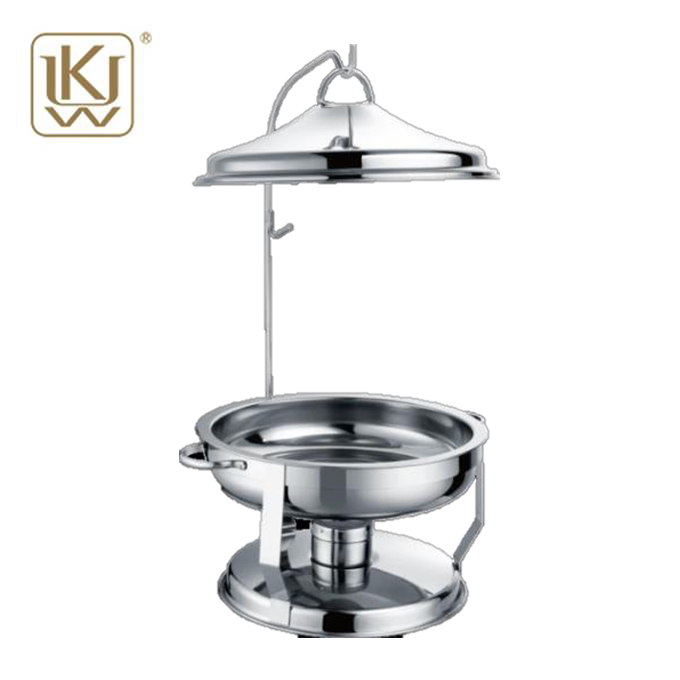
Chafing dishes are designed primarily for flexible, mobile food service. They are widely used in banquets, catering events, weddings, and temporary buffet setups. Their structure allows food to be displayed and kept warm without relying on fixed power sources.
Buffet warmers, on the other hand, are typically intended for fixed or semi-permanent buffet lines. They focus on consistent, controlled heating and are often integrated into buffet counters or used in environments where electrical access is stable.
The fundamental difference lies in mobility versus temperature control precision.
A chafing dish uses indirect heat to keep food warm. Heat is generated below the food pan and transferred evenly through water or air space, reducing the risk of burning or drying food.
Typical characteristics include:
Indirect heating using fuel or electricity
Water pan to stabilize temperature
Easy setup and relocation
Suitable for both indoor and outdoor use
Because of this design, chafing dishes are especially effective for maintaining serving temperature over extended periods without constant monitoring.
Buffet warmers rely on direct, controlled heating elements. These units are engineered for consistency and are often used where food turnover is predictable and service duration is long.
Common features include:
Electric heating plates or built-in elements
Precise temperature control
Fixed installation or countertop placement
Designed for continuous operation
This makes buffet warmers ideal for hotel breakfast lines or institutional dining where uniform heating is a priority.
The table below summarizes the main operational differences between chafing dishes and buffet warmers:
| Aspect | Chafing Dishes | Buffet Warmers |
|---|---|---|
| Mobility | High, portable | Low to moderate |
| Heat Source | Fuel or electric | Mostly electric |
| Temperature Control | Gentle, indirect | Precise, direct |
| Setup Flexibility | Very flexible | More fixed |
| Typical Use | Catering, banquets | Hotels, cafeterias |
This comparison highlights that neither option is universally better. The choice depends on service format and operational conditions.
From a food quality perspective, chafing dishes are often preferred for delicate dishes such as sauces, meats, and cooked vegetables. The indirect heating helps preserve moisture and texture.
Buffet warmers perform well with foods that benefit from stable heat, such as breakfast items or pre-portioned meals. However, improper temperature settings can lead to drying if not monitored.
Presentation also differs. Chafing dishes are designed as visible serving pieces, often with polished finishes and lids, while buffet warmers may be concealed within counters or modular buffet systems.
Selecting between chafing dishes and buffet warmers should be based on how and where food is served.
Chafing dishes are well-suited for:
Event catering
Outdoor buffets
Temporary or mobile setups
Variable menu layouts
Buffet warmers are better for:
Fixed buffet lines
High-volume daily service
Locations with reliable power supply
Standardized menu cycles
Understanding service flow and guest interaction is more important than focusing solely on equipment type.
Choosing food warming equipment involves more than selecting a product. Compatibility with menu type, service duration, and operational environment all matter.
UKW provides chafing dish solutions designed for professional food service environments, supporting consistent heat distribution, durable construction, and practical buffet presentation. Beyond products, we offer:
Product selection guidance based on service scenarios
OEM options for capacity, shape, and finish
Technical support for setup and usage
Consultation for catering and hospitality projects
If you are unsure which solution fits your operation, our team can help evaluate your specific needs.
Chafing dishes and buffet warmers serve different but complementary roles in food service. Chafing dishes excel in flexibility, presentation, and gentle heat retention, while buffet warmers provide precise temperature control for fixed installations. Understanding these differences allows food service operators to choose equipment that supports food quality, service efficiency, and guest experience. By aligning the right solution with your service model and consulting experienced suppliers when needed, buffet operations can achieve reliable and professional results.
Previous: Can You Cook in A Chafing Dish?