kelley@u-kitchenwares.com
+86-15819924651
+86-0750-3719388

Cleaning a commercial Soup Kettle is a fundamental part of maintaining hygiene and efficiency in any food-service environment. From restaurants and hotels to cafeterias and buffet lines, the kettle must be kept clean to ensure food safety, prevent stubborn buildup, and preserve equipment lifespan. Because soup kettles operate for long hours and handle a wide variety of soups—including cream-based, oil-rich, or thick recipes—they require a structured cleaning method. When combined with reliable serving accessories, such as UKW’s stainless-steel commercial soup kettle unit, operators can maintain a cleaner, more organized workspace and reduce spill-related cleanup.
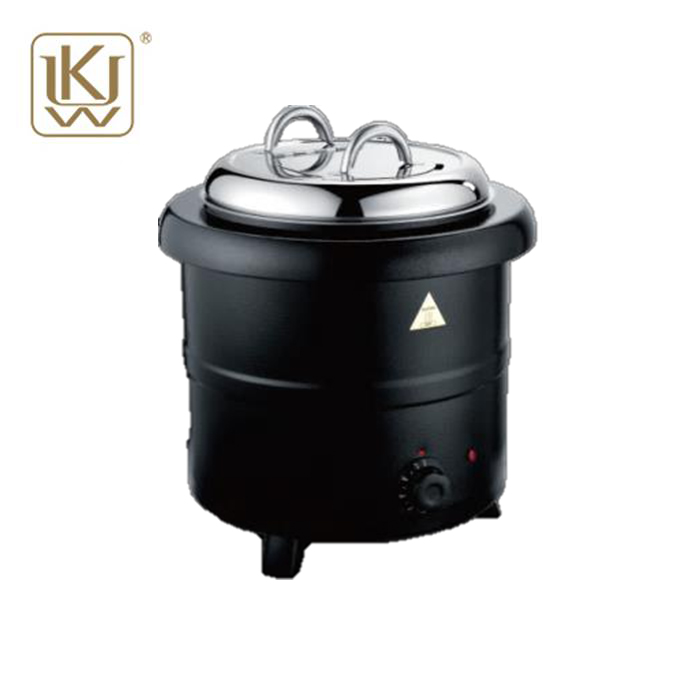
A commercial soup kettle typically consists of a stainless-steel outer body, a removable inner pot, a heating base, and a thermostat control system. Wet-heat kettles warm soup through a surrounding water bath, while dry-heat kettles rely on a heating plate. The cleaning method must match the design: wet-heat kettles require descaling, while dry-heat kettles must not be exposed to excess moisture near the heating components. Understanding these differences prevents accidental damage and ensures the kettle continues to operate at full efficiency.
A daily cleaning cycle prevents residue from hardening. Begin by unplugging the kettle and allowing it to cool completely. Once safe to handle, empty any remaining soup and rinse the inner pot. Wash the inner pot with warm water and mild detergent using a soft sponge to avoid scratching the stainless-steel surface. The lid should also be washed thoroughly, as steam deposits often carry oils and spices that collect along vents and hinges.
The heating chamber must only be wiped with a damp cloth to avoid water entering the electrical area. This step is particularly important for dry-heat kettles. In buffet settings, UKW’s commercial electric soup kettle unit helps reduce drips and stabilize the serving area, decreasing the amount of exterior cleaning required.
Unplug and Cool the Unit
Allow complete cooling before handling or cleaning.
Empty Remaining Soup
Loosen thick soups with warm water to avoid scrubbing damage.
Wash the Inner Pot
Use mild detergent and non-abrasive tools to protect the finish.
Clean the Lid Thoroughly
Remove buildup from hinges, vents, and the underside of the lid.
Wipe the Heating Chamber
Use only a slightly damp microfiber cloth; avoid dripping water.
Completely Dry All Components
Reassemble only when everything is fully dry.
Burnt residue is common when soup is left on high heat or held for long periods. For mild buildup, soak the inner pot in warm water and detergent for 15–20 minutes. For medium or heavy residue, apply a baking soda paste and let it sit before scrubbing gently. Avoid metal scrubbers such as wire brushes or steel wool, which scratch stainless steel and create areas prone to bacteria growth.
| Issue | Recommended Method | Avoid |
|---|---|---|
| Burnt Food | Soak + baking soda paste | Steel wool |
| Grease Film | Mild degreaser | Harsh chemicals |
| Exterior Stains | Microfiber cloth | Abrasive pads |
| Mineral Deposits | Descaling cycle | High-acid cleaners |
Wet-heat kettles accumulate mineral deposits over time. These deposits can cause uneven heating, reduced efficiency, and metallic odors. Descaling should be performed every two to four weeks, depending on water hardness.
Fill the heating chamber with diluted descaling solution and warm it slightly. Once deposits dissolve, empty the chamber and rinse until no scent or residue remains. Proper descaling helps maintain consistent temperature control and protects the kettle’s internal structure.
After cleaning, sanitation is necessary to meet commercial hygiene standards. Apply a food-safe sanitizing solution to the inner pot, lid, and accessible surfaces. Allow the required contact time before rinsing or air drying. Sanitizing prevents cross-contamination, especially in busy kitchens and buffet environments. UKW’s stainless-steel electric soup kettle setup supports the same sanitation standards, making it easy to keep the entire serving line hygienic.
During service, the kettle’s exterior often collects spills and fingerprints. Regular wiping keeps the equipment professional-looking and ensures a hygienic presentation. Stainless steel should be cleaned using a microfiber cloth, following the direction of the grain for best visual results.
Preventive steps reduce deep-cleaning frequency. Stir soups periodically to prevent scorching. Avoid leaving soup in the kettle after service hours. Clean small spills immediately rather than allowing them to dry. Inspect lids and seals regularly to ensure proper fit. Using UKW’s electric soup kettle unit helps maintain a stable serving environment, minimizing accidental tipping and spill issues.
A commercial soup kettle remains safe, efficient, and long-lasting only when properly cleaned. Daily washing, periodic descaling, and consistent sanitation form a complete maintenance process for professional kitchens. When paired with UKW’s stainless-steel electric soup kettle, food-service operators can maintain a cleaner and more organized serving system, enhancing both hygiene and operational efficiency.