kelley@u-kitchenwares.com
+86-15819924651
+86-0750-3719388

Chafing Dishes are a familiar sight in hotels, restaurants, and buffets—those elegant stainless steel setups that keep food warm throughout events and gatherings. But one of the most frequently asked questions about them is: Can Chafing Dishes Reheat Food? The short answer is yes, but with some important limitations.
Chafing dishes are designed primarily to keep already hot food at a safe serving temperature, not to cook raw ingredients or rapidly heat cold dishes. However, with the correct technique and understanding of how they work, they can be used effectively to gently reheat pre-cooked food. In this article, we’ll explore the science behind chafing dishes, how to use them safely for reheating.
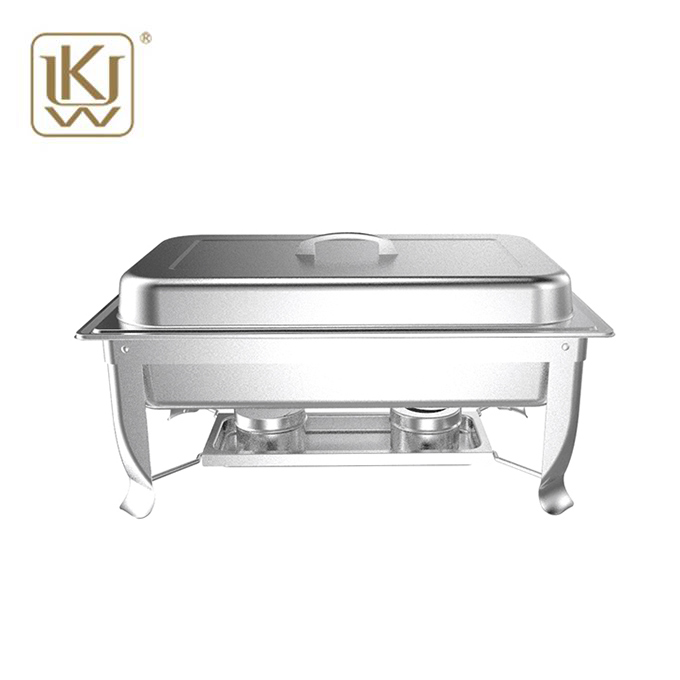
Before explaining reheating, it’s important to understand the function and structure of a chafing dish. A chafing dish uses indirect heat to maintain food at a warm, safe temperature for serving. The setup usually includes:
Frame – The support that holds all components together, usually made of stainless steel for stability and heat resistance.
Water Pan – A large pan that holds hot water. The heat source warms this water, which in turn keeps the food warm through steam and gentle radiant heat.
Food Pan – The upper pan that holds the food. It sits above the water pan and is heated indirectly.
Lid – Traps steam and heat inside, maintaining consistent temperature and moisture.
Fuel Holder or Electric Heater – Provides the heat source, commonly gel fuel cans or an electric element.
This “bain-marie” or water bath system ensures that food is heated evenly and gently, preventing scorching or drying out. The gentle steam environment is particularly good for retaining the texture and flavor of cooked food.
To use chafing dishes correctly, it’s crucial to distinguish between heating food and keeping food warm.
Heating food means raising the temperature of food from a cold or refrigerated state (below 40°C / 104°F) to a safe serving temperature (above 60°C / 140°F).
Keeping food warm means maintaining already hot food within that safe range for serving.
Most chafing dishes are designed for the second purpose—holding temperature, not quickly heating or cooking. However, they can reheat food slowly if managed correctly, since the water bath can reach around 80–90°C (176–194°F), which is sufficient to raise food temperature over time.
If you are serving food at an event and need to bring it back up to serving temperature, chafing dishes can do the job with proper technique. The key lies in preheating the water, covering the dish well, and allowing enough time.
Using a chafing dish to reheat food requires patience and attention to food safety. Here’s how to do it properly step by step:
Before placing food in the dish, fill the water pan with hot water—ideally between 80°C and 90°C. Using cold water will slow down the process significantly because the fuel or electric heater must first bring the water to temperature. Starting with hot water shortens the time it takes to warm the food above 60°C, the minimum safe serving temperature recommended by food safety authorities.
Once the water is in place, light the chafing fuel or switch on the electric heater. Most gel fuels burn for around two to six hours, depending on size. Allow the water to reach a gentle simmer before adding the food pans.
When reheating, shallow layers of food reheat more quickly and evenly. Aim for food depth no greater than 5–8 cm (2–3 inches). Larger portions should be divided into smaller containers. This helps ensure that all food reaches a uniform temperature without cold spots.
Stirring the food occasionally during reheating promotes even temperature distribution and prevents sticking or crusting at the edges. For creamy dishes like pasta or curries, occasional stirring also prevents separation.
Always keep the lid closed as much as possible to retain heat and moisture. Frequent opening allows steam to escape and slows down reheating. Stainless steel lids, such as those designed by UKW , retain heat effectively and prevent condensation from dripping excessively onto the food.
If you’re serving food to guests, it’s important to ensure it reaches and stays above 60°C (140°F). Use a food thermometer to check. If it hasn’t reached that level within 1–1.5 hours, reheat the food more quickly on a stove or in an oven before transferring it back to the chafing dish.
Some foods are better suited to gentle reheating than others. Because chafing dishes rely on indirect steam heat, foods that tolerate moisture and moderate temperature are ideal.
Pasta and Noodles – With a touch of sauce or oil to prevent sticking.
Rice Dishes – Fried rice or pilaf reheats well if lightly moistened.
Stews and Curries – Thick liquids retain heat and improve in flavor as they warm slowly.
Vegetable Stir-Fries – Especially those already cooked; they stay crisp if not overheated.
Roasts and Meats in Sauce – Sliced meats with gravy reheat evenly without drying out.
Deep-Fried Foods – Steam will make them soggy.
Crispy or Baked Dishes – Items like pizza, pastries, or fries lose texture.
Raw or Frozen Foods – Chafing dishes cannot safely cook or thaw raw ingredients.
| Food Type | Reheating Performance | Notes |
|---|---|---|
| Stews & Curries | Excellent | Moisture helps retain texture |
| Rice or Pasta | Good | Add a few tablespoons of water before reheating |
| Roasted Meat | Good | Keep covered with sauce to avoid drying |
| Fried Items | Poor | Steam softens crispy coatings |
| Vegetables | Variable | Soft vegetables fare better than crunchy ones |
Water should always cover the base of the food pan but not overflow. If the water evaporates too quickly, the temperature may drop or burn the pan. Check every 30–40 minutes and add more hot water as needed.
While keeping food warm, avoid allowing the bottom layer to overcook. Too much steam can alter texture or make food watery. Adjust the fuel lid or reduce flame if the water is boiling vigorously.
If you’re serving multiple dishes, use divided pans or multiple chafing dishes. Mixing flavors or odors—such as reheating fish next to pasta—can affect the dining experience. UKW provides a variety of pan configurations to suit multi-dish setups.
For large events, it’s efficient to reheat food quickly in ovens or stovetops first, then transfer it to chafing dishes to maintain temperature during service. This ensures food reaches safe temperatures faster while preserving quality.
When reheating food in chafing dishes, food safety should be your top priority. Here are essential guidelines based on catering best practices:
Avoid the Danger Zone: Bacteria multiply rapidly between 5°C and 60°C (41°F–140°F). Keep food above 60°C once reheated.
Limit Holding Time: Even at safe temperatures, food should not be held in chafing dishes for more than four hours.
Use Clean Equipment: Always wash and dry food pans before refilling them.
Discard Leftovers: Food that has been kept warm for long periods should not be cooled and reused later.
Use Thermometers: Periodically check the temperature to ensure safety and consistency.
These precautions ensure your guests enjoy delicious and hygienically prepared food without risk.
UKW offers a premium range of stainless steel chafing dishes engineered for performance, safety, and style. These products are suitable for both commercial and domestic use. Their design focuses on:
Heavy-duty stainless steel construction for durability and long service life.
Efficient heat distribution through polished steel and insulated frames.
Secure fuel holders and lids to ensure safety during operation.
Multiple size options for different catering scales.
Easy-to-assemble structure for convenient setup and cleaning.
When using UKW chafing dishes to reheat food, follow the same gentle reheating principles: start with hot water, use shallow food pans, and maintain consistent steam. The even heat retention and superior design of these models help maintain food quality from kitchen to table.
Starting with Cold Water: Always fill with hot water to reduce heating time.
Overloading the Pan: Too much food slows reheating and may cause uneven temperatures.
Leaving Lids Open: This lets steam escape and lowers temperature.
Neglecting Water Refill: Running dry can damage the pan or cause uneven heating.
Using Chafing Dishes to Cook: These are not designed for cooking raw food—only reheating or holding.
Avoiding these mistakes ensures that your food stays warm, flavorful, and safe to eat for the duration of any event.
Can chafing dishes reheat food? Yes—but slowly and gently. They are not intended for cooking from scratch or for quickly heating cold dishes, but when used properly, they can safely and effectively reheat pre-cooked meals to serving temperature. The key is understanding how to balance time, temperature, and water management.
With high-quality stainless steel chafing dishes from UKW, you can rely on excellent heat retention, durability, and elegant design to make every buffet or banquet a success. Whether you’re serving creamy pasta, aromatic curries, or tender roasts, these chafing dishes will keep your food deliciously warm and safe for hours—allowing you to focus on your guests rather than the kitchen.
By combining smart reheating practices with professional-grade equipment, you can ensure that every dish maintains its flavor, texture, and temperature—just as if it came straight from the stove.