kelley@u-kitchenwares.com
+86-15819924651
+86-0750-3719388

Buying commercial kitchen equipment is usually more suitable for businesses planning long-term operation, while renting can help temporary projects or new businesses reduce initial investment. The right choice depends on business scale, budget, and expected usage period.
Commercial kitchen equipment refers to professional-grade products designed for restaurants, hotels, catering companies, cafeterias, and other foodservice environments.
Unlike home kitchen products, commercial equipment is developed for:
Frequent daily operation
Large-volume food preparation
Professional workflow requirements
Long-term business use
Common commercial kitchen equipment includes:
Cooking equipment
Food preparation equipment
Storage equipment
Cleaning equipment
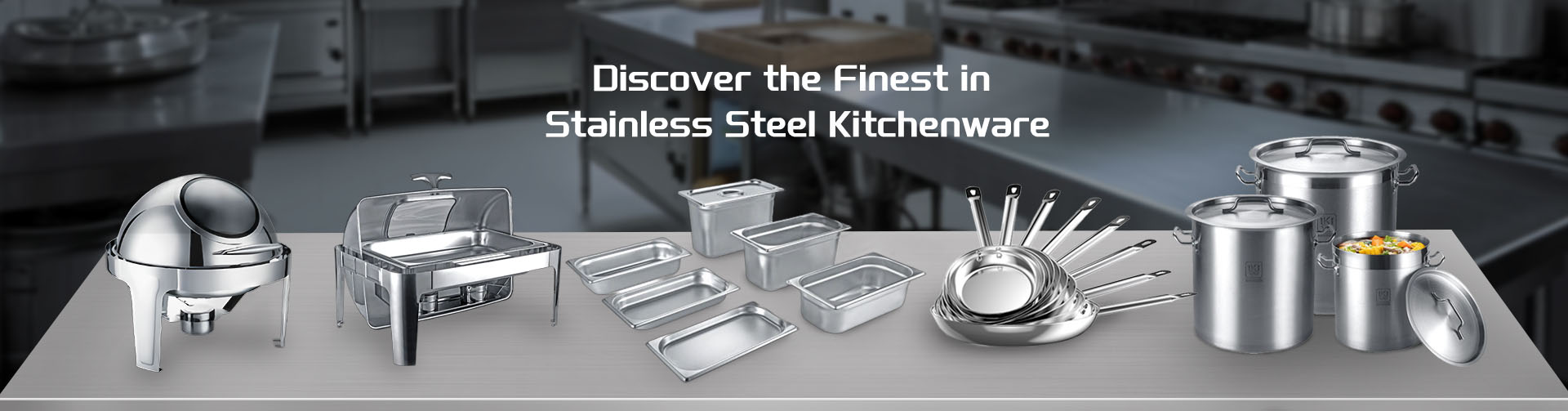
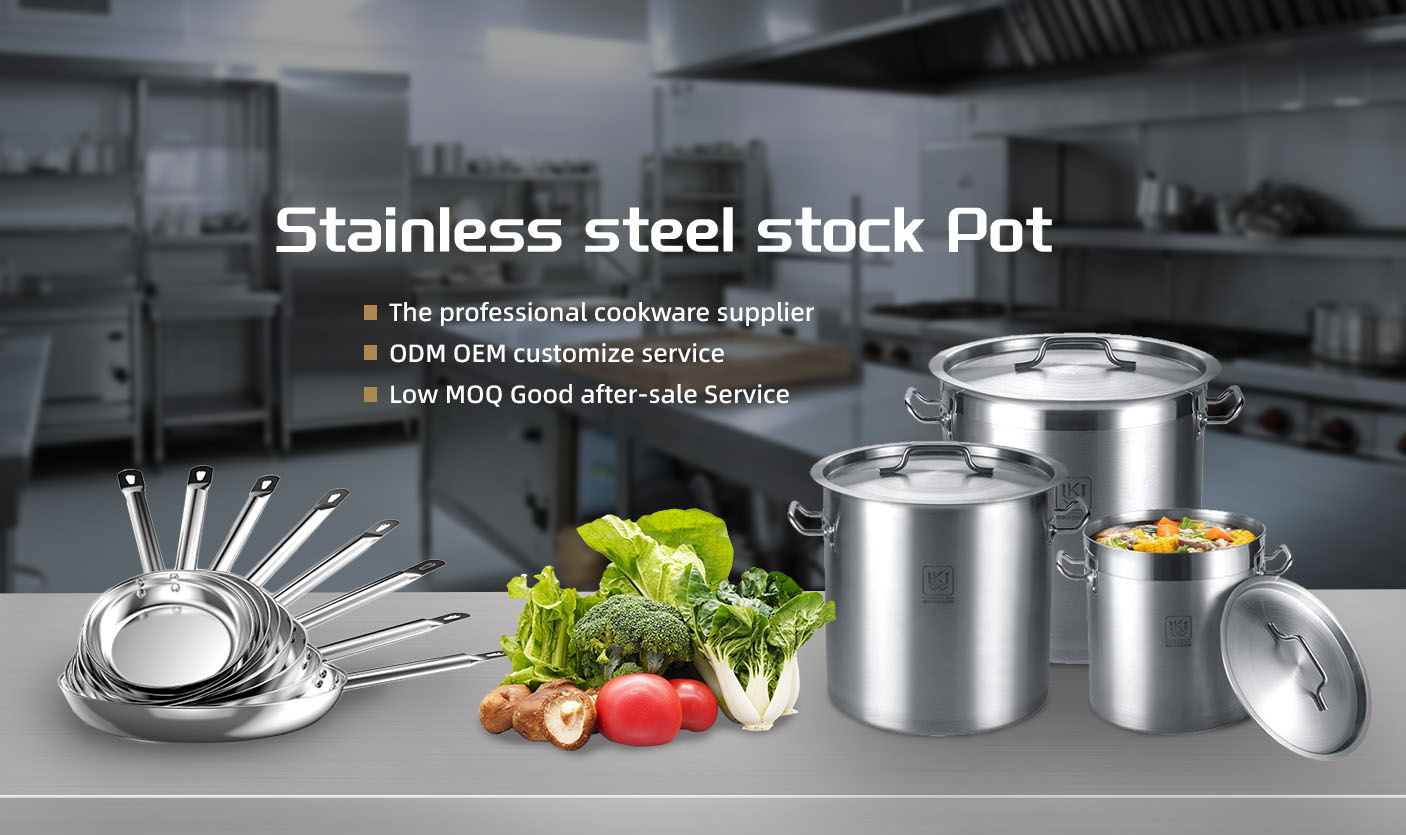
Stainless steel kitchenware
For professional kitchens, equipment selection directly affects operation efficiency, hygiene management, and maintenance costs.
Buying commercial kitchen equipment means the business owns the equipment after purchase.
This option allows businesses to:
Use equipment without rental restrictions
Customize kitchen layouts
Select products according to operation requirements
Build long-term kitchen infrastructure
For restaurants, hotels, and catering businesses with stable operations, purchasing is often a practical long-term investment.
Renting allows businesses to use commercial equipment without paying the full purchase cost upfront.
It is commonly used for:
Temporary catering projects
Food events
Seasonal businesses
New restaurants testing operations
The main advantage is reducing initial investment pressure.
However, rental solutions may involve:
Long-term rental costs
Limited product selection
Less customization flexibility
Equipment availability restrictions
| Comparison | Buying Equipment | Renting Equipment |
|---|---|---|
| Ownership | Business-owned | Supplier-owned |
| Initial Investment | Higher | Lower |
| Long-Term Cost | Usually lower over time | Continuous rental expense |
| Customization | More flexible | Limited |
| Equipment Control | Full control | Depends on agreement |
Purchasing is suitable when a business requires stable daily operation.
Typical users include:
Restaurants
Hotels
Food factories
Catering companies
Institutional kitchens
Owning equipment provides better control over:
Kitchen design
Equipment arrangement
Production efficiency
Long-term operation planning
Renting can be useful when equipment demand is temporary.
Common situations include:
New restaurants may rent equipment before confirming long-term business demand.
Event catering companies may need equipment for specific projects.
Businesses entering new markets may prefer lower-risk solutions before purchasing.
Professional buyers should evaluate:
Equipment should match:
Food production volume
Menu type
Working hours
Commercial kitchens require materials that can handle:
Frequent cleaning
High temperatures
Heavy daily use
A reliable supplier should provide:
Stable production
Quality control
Custom solutions
Export support
As a professional Commercial Kitchen Equipment Manufacturer, our factory focuses on providing reliable kitchen solutions for restaurants, hotels, catering businesses, and foodservice projects.
Commercial kitchen equipment is not only about appearance. Product structure, material selection, and production accuracy influence daily performance.
Experienced manufacturers understand:
Professional kitchen workflows
Stainless steel processing requirements
Export quality standards
Bulk order management
This helps buyers reduce sourcing risks and improve supply stability.
Yes.
OEM buyers may require:
Different sizes
Customized structures
Special finishes
Project-specific combinations
Customization is especially valuable for:
Restaurant chains
Hotel projects
Catering groups
Explore our Commercial Kitchen Equipment Products for different professional kitchen applications.
Buying is usually suitable for businesses with long-term operation plans and stable equipment requirements.
Renting can be suitable for temporary projects or businesses that want to reduce initial investment.
The best choice depends on:
Business stage
Operating frequency
Budget planning
Kitchen requirements
For commercial kitchen equipment sourcing, OEM cooperation, or wholesale projects, submit your requirements through our Request A Quote page.
Previous: