kelley@u-kitchenwares.com
+86-15819924651
+86-0750-3719388

Buffet tipping depends on the country, restaurant type, service level, group size, and whether staff bring drinks, clear plates, refill food, or provide table service. In many U.S. buffet settings, customers often tip less than at full-service restaurants, but they still leave a tip when staff provide service.
There is no single global rule. A self-service buffet in one country may not expect tipping, while a hotel buffet in another market may include a service charge.
Even when customers serve their own food, buffet staff still do a lot of work. They seat guests, bring drinks, clear used plates, reset tables, refill food, maintain the buffet line, clean spills, answer questions, and support hygiene.
If the staff are attentive and the dining area stays clean, tipping is often a way to recognize that service.
A buffet is not fully self-running. Good service behind the buffet line affects the whole meal.
In some buffet restaurants, servers bring drinks, clear plates repeatedly, and help customers during the meal. In these cases, a tip is common.
Customers may choose a lower percentage than a full-service meal because they collect food themselves, but the final amount should still reflect the effort provided by the staff.
If the restaurant automatically adds a service charge, customers should check the bill before tipping extra.
Hotel buffets vary widely. Some include service charge. Some do not. Some are part of the room rate, while others are paid separately.
At hotel breakfast buffets, staff may provide coffee, tea, table cleaning, special requests, and guest assistance. In higher-end hotels, tipping or service charges may be more common.
The best approach is to check the bill and follow local customs.
From an operator’s view, tipping is linked to service quality. A clean buffet line, hot food presentation, fast refilling, and organized tableware help staff provide better service.
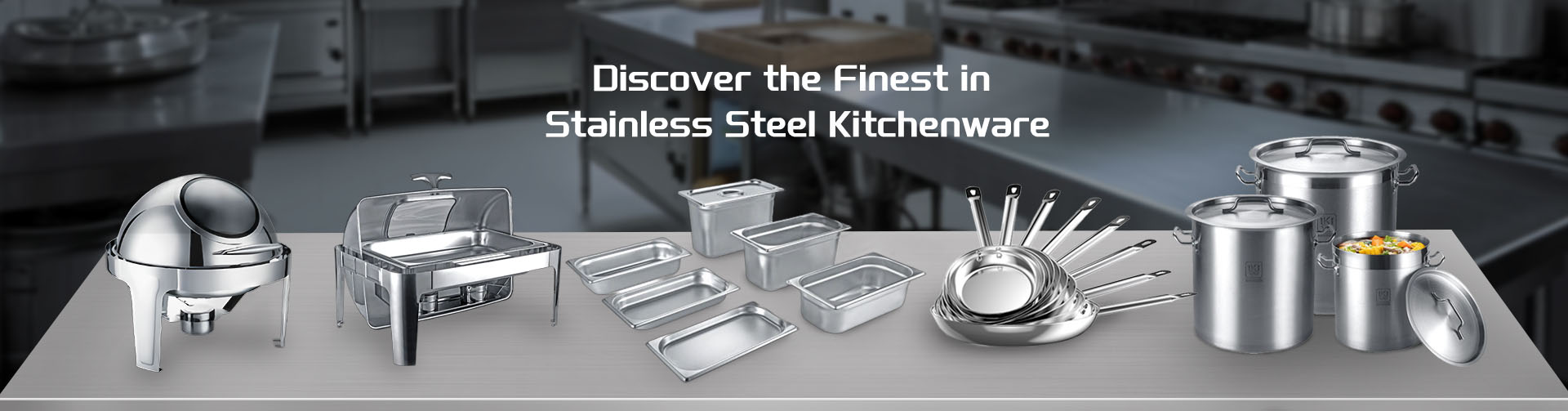
Equipment affects this workflow. Chafing Dishes keep food warm. GN Containers help organize items. Trolleys help staff refill food efficiently. Beverage dispensers reduce service delays.
Our Chafing Dish products support buffet, banquet, catering, hotel, and restaurant food service. For operators, better equipment can reduce staff pressure during busy dining periods.
A tip may be lower when the buffet is almost fully self-service, there is no table service, plates are not cleared, drinks are self-serve, or service is poor.
A tip may be higher when staff provide drinks, clear plates quickly, handle special requests, support a large group, or keep the table clean throughout the meal.
The amount should match the service experience.
Tipping expectations vary by country. In some places, tipping is normal. In others, service charge is included or tipping is not expected.
Travelers should check local customs before dining. Restaurant owners serving international guests should make service charges clear on menus and bills.
Clear communication prevents awkward payment experiences.
Buffet restaurants need both staff and equipment to work smoothly. If food pans are hard to replace, lids are awkward, or the buffet table is poorly arranged, service becomes slower.
For buyers, practical buffet equipment can improve both guest experience and staff efficiency.
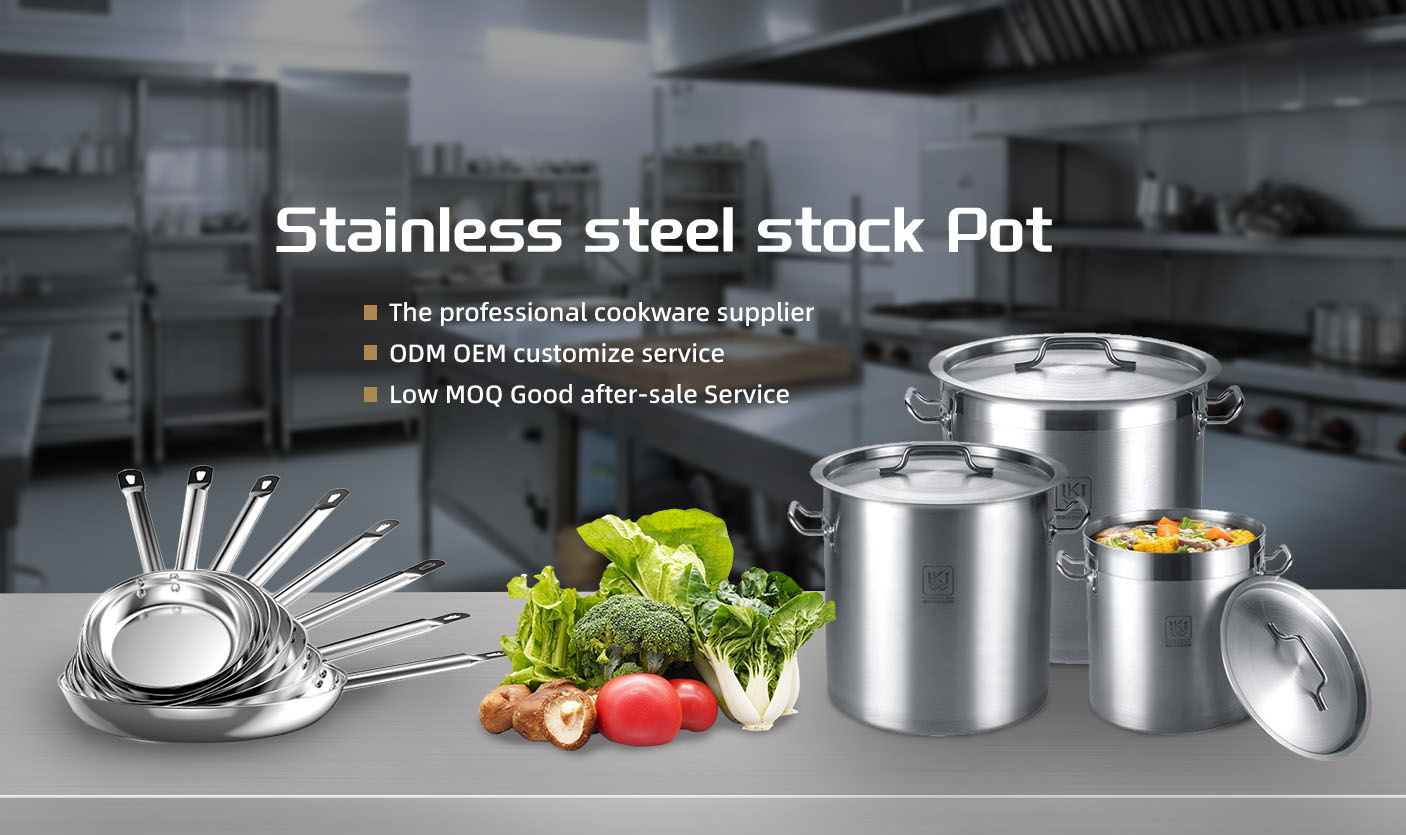
We supply stainless steel chafing dishes, gn containers, stock pots, trolley carts, juice dispensers, and related catering products for buffet and food service applications.
At a buffet, tip according to the level of service, local custom, and whether a service charge is already included. If staff bring drinks, clear plates, and maintain the table, a tip is usually appropriate.
The better the service and table support, the more reasonable tipping becomes.
Send us your restaurant type, service model, buffet line size, table turnover needs, food pan requirements, and order quantity. We can recommend suitable buffet equipment to support smoother service and better dining experience.