kelley@u-kitchenwares.com
+86-15819924651
+86-0750-3719388

Choosing the right container for food transport is not just about holding food from one place to another. For restaurants, central kitchens, catering teams, hotel operations, and foodservice distributors, the real issue is whether the container can protect food quality, simplify handling, and stay reliable through repeated daily use. That is why the question which food container is suitable for transporting food matters more than it first appears.
Food often loses value during transport, not during cooking. Hot food can cool too quickly, cold food can be affected by outside conditions, and containers with poor structure may leak, bend, or become difficult to stack. In commercial use, these problems turn into waste, slower service, and more complaints. A standardized stainless steel gastronorm container is often a better answer because it is built for movement, holding, and operational consistency rather than one-time convenience.
A container used for transport has to do more than store ingredients. It needs to fit prep tables, shelving, transport carts, buffet lines, and kitchen equipment without slowing the workflow. If the size is inconsistent or the body is too weak, staff spend more time adjusting, repacking, or replacing pans. That creates pressure during service, especially in kitchens where speed and control matter.
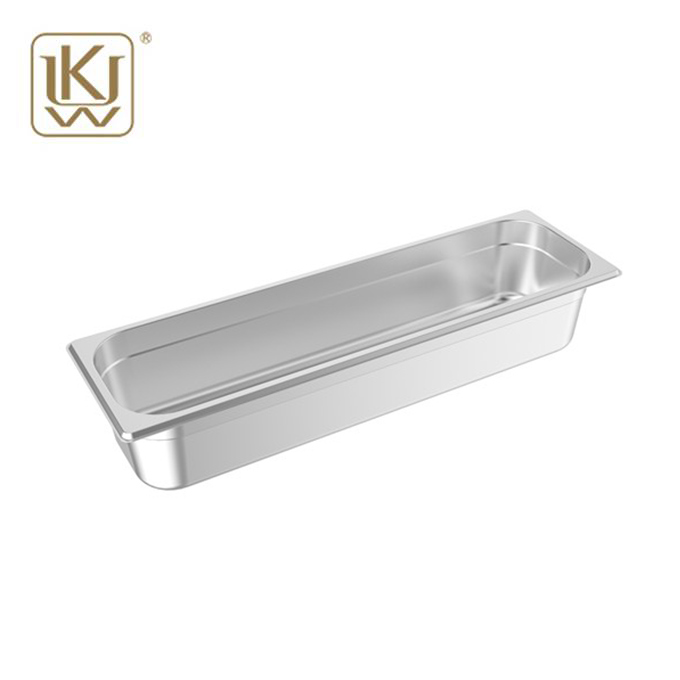
This is where a 2/4 Size Food Gastronorm Container becomes practical. It belongs to a standardized system, so it fits more easily into organized kitchen operations. Instead of using mixed containers that create handling problems, buyers can work with one format that supports prep, storage, transport, and service in a more connected way.
When people compare food containers, material is often the deciding factor. Plastic may look convenient, but in busy commercial kitchens it does not always offer the same long-term stability. Stainless steel is usually the safer choice when containers are moved often, cleaned frequently, and used under both hot and cold conditions.
A 304 stainless steel gastronorm container is well suited to transport because it resists corrosion, handles repeated washing, and keeps its shape better under demanding use. That matters for B-end buyers who are not just purchasing one container, but building a supply solution that needs to perform across many service cycles. If the container body bends too easily or shows wear too quickly, replacement cost rises and daily operations become less efficient.
One of the biggest transport problems in foodservice is inconsistency. Containers may look similar, but if they do not follow a standard format, they waste space and complicate handling. A standardized gastronorm container solves this by making storage and movement more predictable. Staff can stack, load, and transfer food with fewer adjustments, and operators can use the same pan across different stations.
For catering businesses and commercial kitchens, that kind of standardization saves time. A 2/4 Size Food Gastronorm Container is especially useful when the load needs to stay organized but does not require a full-size pan. It gives more flexibility for portion control, side dishes, prepared ingredients, and smaller batch transport without breaking the workflow.
For commercial buyers, the question is rarely only about material or appearance. They usually want to know whether the container will be easy to clean, whether it can be stacked safely, whether it fits existing equipment, and whether it can hold up during repeated transport. These are practical concerns, not marketing points.
A container used in real transport conditions should have smooth edges for safer handling, a surface that does not trap residue easily, and enough structural balance to move between prep area, storage area, and service line without becoming a weak point. This is why stainless steel GN Containers remain a common choice in professional kitchens. They support a more controlled workflow and reduce the small daily problems that add up over time.
A suitable transport container should help food move through the kitchen system with fewer touchpoints and fewer risks. In practice, that means the same pan can be used for preparation, holding, transport, and presentation. Fewer transfers usually mean less mess, less labor, and lower risk of product loss.
This kind of operational value matters to wholesalers and project buyers as well. They need products that are easy to explain to customers and easy to integrate into real kitchen setups. A food container that already matches common gastronorm systems is easier to sell because the use case is clear. Buyers do not need to create new handling habits around it.
So, which food container is suitable for transporting food? In most professional settings, a stainless steel gastronorm container is one of the most practical options because it combines durability, food safety, standardized sizing, and easier handling across the full kitchen process. A 2/4 size food gastronorm container is especially useful when buyers need a format that is compact, organized, and compatible with established foodservice systems.
If you are comparing transport containers for catering, hotel kitchens, restaurant prep lines, or wholesale supply, contact us for more guidance. We can help you review suitable sizes, discuss material options, and recommend a more efficient container solution for your food operation.
Previous: