kelley@u-kitchenwares.com
+86-15819924651
+86-0750-3719388

A sauce pan is one of the most practical pieces of cookware in any kitchen. It is usually recognized by its round body, relatively deep sides, flat base, and a long handle that makes it easy to lift, pour, and control while cooking. Compared with wider pans, a sauce pan is designed to hold liquids more efficiently, which is why it is often used for sauces, soups, milk, porridge, melted butter, and many other small to medium cooking tasks.
The reason a sauce pan remains so widely used is simple: it fits everyday cooking. It can warm ingredients gently, help reduce liquids without too much splashing, and handle foods that require closer temperature control. Whether someone is preparing a quick breakfast, heating a side dish, or making a sauce from scratch, a sauce pan usually becomes one of the first tools they reach for.
For many buyers, the term sounds basic, but choosing the right sauce pan actually matters more than people expect. The shape, material, depth, handle design, and lid structure all affect how the pan performs. A well-made sauce pan gives more even heating, easier handling, and better results in daily cooking.
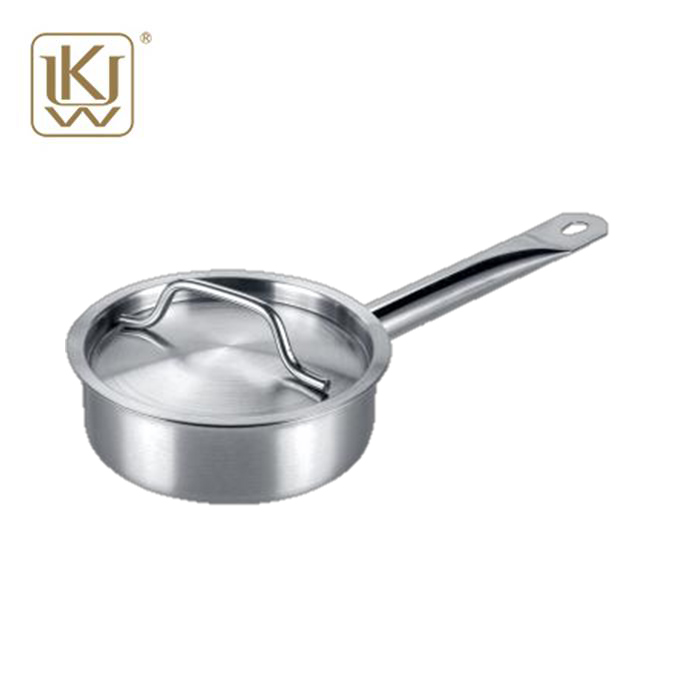
A sauce pan is different from a frying pan or sauté pan mainly because of its shape. It has higher sidewalls and a narrower opening, which helps hold liquids and reduce evaporation. This makes it especially useful when the goal is not just heating food quickly, but controlling moisture and texture during cooking.
A frying pan is usually wider and shallower, so it is better for browning, searing, and fast cooking over open heat. A sauce pan, on the other hand, is better for foods that need to simmer, boil, or stay contained. If someone is making gravy, heating soup, cooking oatmeal, or preparing hot chocolate, a sauce pan is often the better choice because the deeper body keeps the contents more stable.
This shape also makes stirring easier. In liquid-heavy recipes, ingredients collect more naturally in the center, which helps the cook mix more evenly. That is one reason a sauce pan is often preferred for delicate preparations where burning, splitting, or uneven heating needs to be avoided.
A sauce pan is commonly used for much more than sauce. It is suitable for heating milk, boiling eggs, cooking noodles in small portions, making soup for one or two people, reducing stock, warming butter-based mixtures, or preparing simple side dishes. In both home kitchens and professional settings, it is valued because it can handle many daily cooking needs without taking up too much space.
It is especially useful for recipes that involve liquid control. When making a cream sauce, for example, the cook often needs steady heat and enough depth to stir without spilling. The same applies to tomato sauce, cheese sauce, syrup, custard base, or soup. A sauce pan helps keep those preparations compact and easier to manage.
Smaller food service kitchens also use sauce pans for quick reheating and portion work. In these situations, the cookware must be easy to handle, easy to clean, and reliable under repeated use. That is why material quality and structural design matter even for a simple-looking pan.
The material of a sauce pan directly affects durability, cooking performance, and maintenance. Stainless steel is one of the most common choices because it is strong, corrosion resistant, and suitable for repeated contact with water, salt, dairy, and acidic ingredients. It also gives a clean and professional appearance that fits both household and commercial kitchens.
A stainless steel sauce pan is often preferred when users want a balance of hygiene, strength, and easy care. It does not easily react with food, which is important when cooking tomato-based sauces, soups, or milk-based recipes. It also handles frequent washing better than many other materials.
Another important point is heat distribution. A well-structured sauce pan should not simply look polished on the outside. It should also heat steadily from the bottom so that liquids warm evenly and ingredients are less likely to stick. For this reason, buyers often pay attention to the bottom construction as much as the body material.
Not all sauce pans have exactly the same form. Some are taller and narrower, while others have a lower and wider body. A low body sauce pan offers practical advantages for certain cooking tasks because the wider surface allows ingredients to heat more evenly while still keeping enough depth for sauces and liquids.
This type of design works well when the cook wants better access for stirring and faster response to heat. Sauces, reductions, and small portions of soup often benefit from a pan that feels more open but still controlled. The lower body also makes pouring easier and can improve convenience during repeated kitchen use.
A fitted lid adds another useful function. It helps retain heat and moisture, which is important when simmering or holding flavor in the pot. In daily cooking, these small structural details often make the difference between cookware that only looks good and cookware that is genuinely comfortable to use.
Choosing the right sauce pan depends on how it will be used. If the main need is heating milk, making sauce, or preparing small meals, a compact size may be enough. If the pan will also be used for soup, noodles, or family-side dishes, a larger size may be more practical. The correct size should match the cooking volume instead of being chosen only by appearance.
The handle is another important detail. A sauce pan is often lifted with one hand, so the handle should feel stable, comfortable, and easy to grip. A lid should also fit well, not loosely, because controlled cooking depends on stable heat and moisture retention.
Buyers should also consider cleaning and long-term maintenance. A smooth stainless steel surface is usually easier to wash after daily use, especially when the pan is used frequently in busy kitchens. For distributors, retailers, and project buyers, this kind of practical value matters because end users often judge cookware by everyday convenience rather than by appearance alone.
Yes, a sauce pan is widely used in professional kitchens, especially for prep work, reheating, sauce making, and controlled cooking in smaller batches. In restaurants, catering kitchens, and food preparation spaces, chefs often need cookware that responds quickly, handles repeated use, and supports different cooking tasks without unnecessary complexity.
A stainless steel sauce pan is often suitable for this kind of environment because it is durable and easy to maintain. It also fits a wide range of stovetops, which makes it useful in kitchens with different equipment setups. For commercial buyers, this versatility can be an advantage when selecting cookware for broader kitchen programs.
The value of a sauce pan in professional use is not just in its size. It is in its flexibility. One pan may be used to heat soup in the morning, prepare sauce at noon, and warm ingredients again during evening service. That repeated use is exactly why buyers often focus on solid construction and dependable material quality.
A good sauce pan will last longer when it is used and cleaned properly. In daily cooking, moderate heat is often enough. Excessively high heat can make liquids boil too aggressively and may increase the chance of food sticking to the bottom. A steadier cooking method usually protects both the food and the cookware.
After use, the pan should be washed with warm water and mild detergent. A soft sponge is generally enough for normal cleaning. If food residue sticks to the bottom, soaking before washing is a better solution than harsh scraping. This helps preserve the surface and keeps the pan looking cleaner over time.
Drying the pan after washing can also help maintain its appearance. In busy kitchens, simple care habits like these make a noticeable difference in how cookware performs over the long term.
A sauce pan is a basic but highly useful piece of cookware designed for liquids, sauces, reheating, simmering, and many small to medium cooking tasks. Its deeper body, flat base, and practical handling make it different from other pans and more suitable for controlled everyday cooking.
For buyers, understanding what a sauce pan is should go beyond a simple definition. Material, shape, lid fit, handle comfort, and heating performance all influence how well it works in real kitchens. A well-made stainless steel sauce pan offers reliable daily use, easy care, and broad application across both home and commercial cooking environments.
If you are looking for the right sauce pan for retail, kitchen supply, or project purchasing, choosing a design that balances durability, heat performance, and daily usability is important. If you still have questions about sauce pan sizes, structure, or suitable stainless steel cookware options, feel free to contact us. We can help you evaluate the right solution for your market and kitchen needs.
Previous:
Next: How To Prevent Burning Bottom Of Stainless Steel Soup Pot?