kelley@u-kitchenwares.com
+86-15819924651
+86-0750-3719388

A Stainless Steel Soup Pot is widely used for preparing broth, soup, stews, and other long-simmered foods. It is valued for its durability, food safety, and ability to withstand repeated heating. However, many cooks eventually encounter a common problem: food sticking or burning at the bottom of the pot.
When the bottom of a soup pot burns, it affects both flavor and cleaning. Burnt residue can leave dark stains, create unpleasant tastes in the soup, and require extra effort to remove. In most situations, this problem is not caused by the pot itself but by heat control, ingredient handling, or cooking habits.
Understanding how stainless steel cookware reacts to heat and how soup ingredients behave during cooking can help avoid this issue. With a few simple adjustments in cooking technique, it is possible to maintain steady simmering, protect the pot surface, and achieve better cooking results.
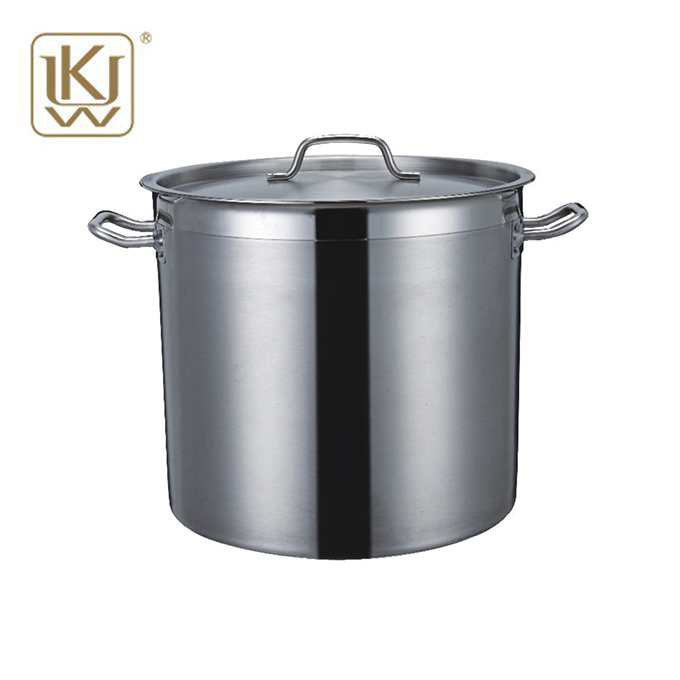
Food usually burns when the temperature at the bottom of the pot becomes higher than the liquid and ingredients can tolerate. Stainless steel is strong and hygienic, but it is not a naturally nonstick material. When heat rises too quickly, small food particles such as starch, protein, spices, or vegetable fragments settle on the bottom surface.
Once the moisture around these particles evaporates, they begin to stick. As the temperature continues to rise, the stuck layer becomes darker and eventually burns. After this point, the residue becomes difficult to remove and may affect the taste of the entire dish.
Thick soups are especially vulnerable. Recipes such as chowder, tomato soup, porridge, or cream-based soups contain more solids and starch, which slow down liquid movement. When ingredients circulate slowly, the bottom layer experiences more heat exposure and is more likely to stick.
Another common cause is excessive heat at the beginning of cooking. Many people turn the burner to high heat to speed up cooking, but this often creates hotspots before the liquid begins circulating. A steady temperature rise is far safer for soups.
Stainless steel soup pots are designed to distribute heat evenly, especially when they include a composite or layered bottom. This bottom structure spreads heat across a wider surface area instead of concentrating it in a single point. As a result, the pot heats more evenly and reduces the risk of localized burning.
Even with a well-designed bottom, proper heat control is still important. Stainless steel heats quickly and retains heat efficiently. When the pot is exposed to strong heat for too long, the bottom can become hotter than the liquid above it.
Gradual heating allows convection to develop inside the pot. Once the liquid begins circulating, temperature becomes more balanced throughout the soup. This is why soups should normally be brought to temperature slowly and then maintained at a gentle simmer rather than a strong boil.
Pot size also affects heat behavior. Large soup pots filled with heavy ingredients create pressure on the bottom layer. If ingredients remain stationary for too long, they may begin sticking before the liquid movement fully develops.
One of the easiest ways to prevent burning is to maintain sufficient liquid in the pot. Heating a soup pot with too little liquid allows ingredients to settle directly on the hot metal surface. This creates the conditions for scorching.
During the early cooking stage, ingredients should be able to move freely within the liquid. If vegetables, meat, grains, or bones are packed tightly with limited water, the bottom layer heats faster than the rest of the mixture.
Reheating soup also requires attention. Leftover soup often becomes thicker because some water has already evaporated. Adding a small amount of water or stock before reheating helps restore proper consistency and prevents burning.
Maintaining the right liquid level allows heat to distribute evenly and keeps ingredients suspended rather than compressed against the pot bottom.
Heat control is one of the most important factors when cooking with stainless steel soup pots. High heat may appear efficient, but it often leads to uneven cooking and burnt residue.
Most soups only require moderate heat to reach simmering temperature. Once the soup begins to simmer, the burner should be reduced. A gentle simmer allows ingredients to cook evenly while preventing excessive heat concentration at the bottom.
Gas burners require extra attention because the flame can extend beyond the pot base. When flames reach the sidewalls, the bottom center may become excessively hot. Matching burner size with pot size helps maintain balanced heating.
Induction cooktops provide precise temperature control, but they can also heat very quickly. Starting at a moderate setting and reducing power once simmering begins is often the best approach.
Stirring helps prevent ingredients from settling at the bottom of the pot. During the first stage of heating, the liquid has not yet developed strong circulation. Heavy ingredients naturally sink downward.
A few gentle stirs during this period help distribute heat and prevent particles from sticking to the pot surface. Stirring should focus on the bottom curve of the pot rather than only the surface.
Thick soups require more frequent stirring than clear broth. Cream-based soups, grain soups, or vegetable purées contain heavier textures that slow down circulation. Checking the bottom periodically prevents the formation of burnt layers.
Once the soup reaches a stable simmer, stirring frequency can decrease depending on the recipe.
Certain ingredients increase the risk of burning because they change the texture of the soup. Dairy, starch, and sugar are the most common factors.
Cream or milk can form a film at the bottom when exposed to high heat. This film may darken quickly if the soup is not stirred or if the heat remains too strong.
Starch-based ingredients such as rice, potatoes, flour, or lentils thicken the soup during cooking. As the mixture becomes denser, circulation slows and the bottom layer becomes more vulnerable.
Sugary ingredients like tomato paste, carrots, onions, or sweet sauces can also caramelize on the pot surface if the heat is too high.
Adding these ingredients gradually and maintaining moderate heat helps prevent sticking.
Several small habits often lead to burnt pots. Leaving the pot unattended after increasing heat is a frequent mistake. Stainless steel cookware heats quickly, and once sticking begins, it can escalate rapidly.
Overcrowding ingredients can also create problems. When the pot is packed too tightly, ingredients cannot circulate properly and remain pressed against the bottom.
Another issue is ignoring residual heat. stainless steel pots retain heat even after the burner is lowered. If the soup has already thickened, the retained heat may continue cooking the bottom layer.
Paying attention to these details helps maintain a clean pot and stable cooking conditions.
If burning occurs, cleaning should be done carefully. Scraping aggressively while the pot is dry may damage the interior surface and spread the residue.
A better method is to fill the pot with warm water and allow it to soak. Light residue often loosens during soaking.
For stronger stains, simmering water in the pot helps soften the burnt layer. Baking soda can also be added to the water to assist in loosening residue.
After simmering, a soft sponge or non-abrasive pad can be used to remove the softened material. Vinegar solutions may help remove discoloration caused by minerals or burnt deposits.
Avoid using harsh metal tools or aggressive abrasives. Gentle cleaning preserves the appearance and durability of stainless steel cookware.
Cooking technique is important, but cookware design also plays a role in preventing burning. Soup pots with a thicker composite bottom distribute heat more evenly and reduce hotspot formation.
A well-fitted lid helps maintain stable temperature and reduces unnecessary evaporation during long simmering. Proper capacity selection also supports better circulation inside the pot.
Large kitchens, catering operations, and food service environments often benefit from selecting soup pots designed for repeated long cooking cycles. Durable construction, stable heat distribution, and compatibility with different cooktops all contribute to more reliable cooking performance.
Selecting cookware that matches the scale and style of cooking helps reduce common problems such as scorching or uneven heating.
Preventing the bottom of a stainless steel soup pot from burning mainly depends on proper cooking technique. Maintaining sufficient liquid, controlling heat levels, stirring during early cooking stages, and managing thick ingredients all help protect the pot surface.
Stainless steel soup pots are built for long-term use and steady cooking, but they perform best when heat is introduced gradually and monitored throughout the cooking process. Simple adjustments in daily cooking habits can significantly reduce the risk of burning.
If you are selecting stainless steel soup pots for home kitchens, restaurants, or commercial supply projects, choosing cookware with stable heat distribution and suitable capacity will support better cooking performance.
If you have questions about stainless steel soup pot materials, sizes, or suitable cookware solutions for your kitchen needs, feel free to contact us. We are happy to provide guidance and help you find the right cookware options for your applications