kelley@u-kitchenwares.com
+86-15819924651
+86-0750-3719388

Keeping drinks cold in a beverage dispenser is mostly a heat-control problem. Once cold juice, tea, or infused water is poured into a dispenser, it immediately starts absorbing heat from the room, the countertop, and the dispenser body itself. If service lasts more than 30 to 60 minutes, temperature rise becomes noticeable, especially in banquet rooms, outdoor events, or breakfast buffet lines. The goal is to slow heat gain without over-diluting the drink or creating sanitation issues.
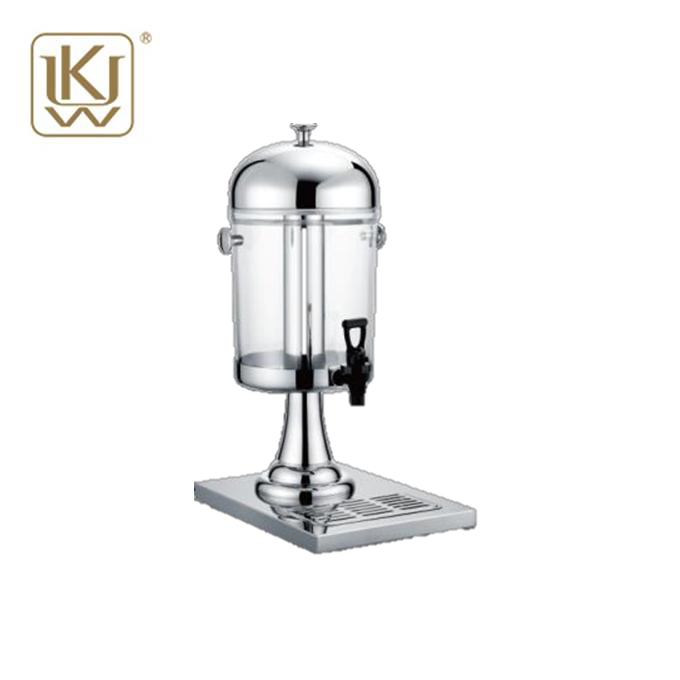
This guide explains how to keep beverages cold in dispensers using professional, practical methods that work for catering, hotels, restaurants, and event service. You can explore UKW options on our juicer dispenser collection.
The most effective cooling step happens before the dispenser is even used. A dispenser can maintain cold temperature, but it cannot cool warm liquid quickly unless it has an active chilling system. If you fill a dispenser with beverage that is only slightly chilled, it will reach room temperature faster than expected.
For consistent service, chill beverages in a refrigerator long enough to reach a stable cold temperature, then transfer to the dispenser shortly before service begins. This reduces the initial heat load and extends the time the beverage stays in a safe and refreshing range.
Even if the beverage is cold, a room-temperature dispenser body can warm it rapidly during the first minutes of service. Pre-chilling the container and lid helps reduce that early temperature spike.
In practice, pre-chilling can be done by rinsing the dispenser with cold water and draining it, or by holding the empty dispenser in a cool room before service. For dispensers that use ice tubes or cores, pre-chill the tube as well. This simple step improves cold retention without changing the beverage recipe or increasing dilution risk.
Ice is the standard way to keep drinks cold, but direct ice contact dilutes flavor and changes sweetness balance during service. For juices, infused water, and sweet tea, dilution can make the product taste inconsistent across the service period.
A better approach is to separate ice from the beverage when possible. Many beverage dispensers support an internal ice tube or core that keeps temperature down while keeping the drink undiluted. If your dispenser does not have this feature, another practical method is using large ice blocks rather than small cubes. Large ice melts more slowly, reduces dilution rate, and stabilizes temperature longer.
If direct ice is unavoidable, adjusting beverage concentration slightly stronger at the start can help maintain consistent taste through the service window, especially for sweetened drinks.
Room conditions have a major impact on beverage temperature. Outdoor service, direct sunlight, and warm buffet lines can overwhelm ice strategies quickly. Even indoors, placing a dispenser near ovens, warm lamps, or hot food stations accelerates warming.
To extend cold holding time, position dispensers away from heat sources and direct sunlight. If the service area is warm, using an insulating barrier under the dispenser reduces heat transfer from countertops. For events, shaded placement can provide a significant improvement without any change to ingredients or equipment.
Not all drinks behave the same. Drinks with high sugar content can feel cold longer on the palate but may also become sticky and harder to clean if warmed. Drinks with pulp or dairy components may require stricter temperature control for safety. Carbonated beverages lose carbonation faster when warmed and when exposed to frequent opening.
For long service times, simple cold beverages such as water, infused water, and filtered juices often perform better. If you serve milk-based drinks or smoothies, active chilling or shorter refill cycles become more important.
A common reason drinks warm up is poor refill strategy. If a large dispenser is filled once and left for hours, the beverage gradually warms and the last servings are noticeably less cold. A more professional method is to refill in smaller batches, rotating in pre-chilled beverage from refrigeration.
This also improves quality consistency. Each refill introduces a new cold source and reduces the time any single batch stays out. For high-volume service, maintaining a backup container of chilled drink and swapping refills quickly is more reliable than adding more ice to compensate for warming.
Cold temperature is part of food safety, especially for beverages that contain dairy, fresh juice blends, or any ingredient that spoils faster when warm. If your service period is long, temperature checks and rotation practices matter. Avoid topping off a dispenser continuously without cleaning, because residue at the bottom can remain longer than the fresh refill and increase hygiene risk.
A clean, durable beverage dispenser design supports easier sanitation and helps maintain consistent service quality. Smooth internal surfaces, stable spigots, and reliable sealing reduce leakage and make cleaning faster between service cycles.
| Service Condition | Recommended Cooling Method | Why It Works |
|---|---|---|
| Short indoor service | Pre-chilled beverage and dispenser | Reduces initial heat gain |
| Long indoor service | Ice tube or large ice blocks | Maintains cold with less dilution |
| Outdoor or warm venue | Shade placement and frequent small refills | Limits environmental heat load |
| High-volume buffet | Batch rotation with refrigerated backup | Keeps temperature consistent |
| Juice with pulp | Ice tube plus shorter holding time | Reduces spoil risk and settling |
This approach helps you match cooling method to real service pressure instead of relying on one universal technique.
UKW provides beverage dispensers designed for practical service workflows, including stable dispensing, clean structure, and reliable daily use. For operators managing buffet lines, catering service, or beverage stations, choosing a dispenser built for repeated cleaning and consistent flow helps maintain both beverage quality and service efficiency. You can review our options on the juicer dispenser collection. For projects that require a custom beverage dispenser setup, such as specific capacity planning or station layouts, UKW can support selection guidance based on your service scenario.
To keep drinks cold in a beverage dispenser, start with fully chilled beverages, pre-chill the dispenser body, and use ice strategies that limit dilution such as ice tubes or large ice blocks. Control environmental heat gain by placing dispensers away from heat sources and sunlight, and maintain temperature consistency through smaller refill batches with refrigerated backup. These steps improve taste stability, reduce waste, and support safer service for sensitive beverages.
If you are setting up a beverage station for a buffet, hotel breakfast line, or event service and want guidance on choosing a practical dispenser capacity and configuration, contact UKW. Share your beverage types, service duration, and expected volume, and we can recommend suitable options and provide support for your setup.
Previous: