kelley@u-kitchenwares.com
+86-15819924651
+86-0750-3719388

Steam table pans are designed to hold, heat, and serve food efficiently in buffet lines, catering setups, and back-of-house prep systems. Used correctly, they help maintain safe serving temperatures, protect food texture, reduce waste, and speed up refills during peak service. Used incorrectly, they can dry out food, cause uneven heating, or create unnecessary downtime from messy spills and warped lids.
This guide explains how to use steam table pans in a professional, practical way, covering setup, filling, heating control, food safety, transport, cleaning, and common mistakes to avoid. You can explore UKW options on our US steam pan collection.
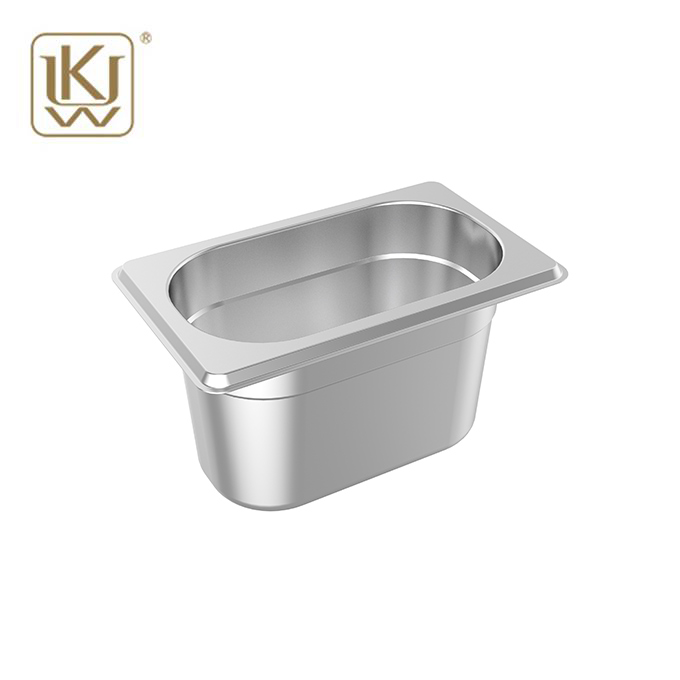
A steam table pan is not a cooking vessel in the same way as a stockpot or sauté pan. Its primary purpose is holding and serving food at controlled temperatures, usually in a steam table, hot well, or chilled well. That means its performance depends on heat transfer from the equipment, water level management, and pan depth selection.
In hot holding, the water in the steam table creates gentle, indirect heat that helps maintain temperature without scorching. In cold holding, the pan sits in a chilled well or on ice to keep food below target cold-hold thresholds. Because the pan is an interface between the food and the holding equipment, choosing the right pan depth and using correct water and cover management is what determines whether food stays appealing through service.
Steam table pans are typically standardized by fraction sizes so operators can mix and match different foods in the same line. The depth you choose has a direct impact on how quickly food heats and how well it holds texture.
Shallow pans heat faster and are easier to manage for high-turn items such as vegetables, rice, or breakfast sides. Deep pans hold more volume and reduce refill frequency, but they can heat slower and may increase the risk of temperature stratification, where food near the top cools faster than food at the bottom. This is why many operations use a deeper pan for storage and a shallower pan for the service line, refilling the service pan in smaller batches to keep quality consistent.
| Pan Depth | Typical Service Advantage | Best Use During Service |
|---|---|---|
| 2.5 in | Fast heat response, better surface control | Sauces, toppings, quick-turn sides |
| 4 in | Balanced capacity and heating | Most hot line items |
| 6 in | High capacity, fewer refills | Prep holding, lower-turn items |
This approach keeps service stable while protecting food quality, especially for items that dry out easily.
A steam table must be stabilized before pans are loaded. For hot wells, water level is essential because the system relies on steam heat transfer. Too little water leads to poor heating and potential overheating of the well. Too much water can cause splashing and contamination.
Preheat the well so the metal environment reaches steady temperature. Loading cold pans into a cold well slows the line and increases the time food spends in an unsafe temperature zone. Preheating also reduces condensation and helps lids fit more consistently.
For cold wells, ensure the cooling system is running and the well is at the intended temperature before inserting pans. If ice is used, maintain a consistent bed so pan contact is stable and not rocking, which can spill contents during service.
Steam table pans perform best when food is loaded in manageable portions rather than overfilled. Overfilling blocks heat flow, increases the time needed to bring food to holding temperature, and makes stirring difficult. It can also increase spill risk during transport from kitchen to line.
For foods that dry out, such as carved meats, pasta, or roasted vegetables, use lids when possible and stir periodically to keep moisture distribution even. For soups and sauces, frequent stirring helps maintain temperature uniformity and reduces surface skin formation. For fried items, avoid steam trapping that makes food soggy. In these cases, venting and shallow depth are often more effective than sealing tightly.
Lids are not only for storage. In service, they reduce heat loss, limit contamination, and slow moisture evaporation. The key is matching the lid style to the food.
A solid lid retains heat and moisture, which is helpful for rice, proteins, and sauces. A notched or vented lid can reduce condensation and help preserve texture for items sensitive to steaming. Ladle cutouts and utensil rests also help maintain a cleaner line by reducing lid opening frequency.
For high-volume operations, selecting durable steam table pans with matching lids can reduce warping issues and improve day-to-day handling consistency, especially when pans move between prep, holding, and service.
Using steam table pans correctly includes temperature discipline. A steam table is for holding hot food, not reheating from cold. Food should be brought to proper temperature before it goes into the pan, then held at a stable serving temperature. If food is loaded cold and allowed to warm slowly in the line, it may spend too long in a temperature range where bacteria can grow.
During service, use a thermometer check routine, especially after refills, shift changes, or equipment resets. If a pan is refilled, avoid mixing freshly cooked hot food with cooled food that has been sitting too long. A better practice is to refill in smaller batches so turnover stays high and food remains fresher.
For cold holding, keep foods chilled with consistent well temperature or ice management. Avoid topping off cold pans continuously if the bottom portion has been held too long. Replace the pan when product age reaches your internal policy threshold.
Steam table pans are often moved between stations. To reduce spills, avoid carrying pans that are filled to the rim, and use a stable two-hand grip. For hot pans, protect hands with appropriate gloves and avoid contact with lids that have collected condensation.
When transporting to a buffet line, ensure pans sit flat in carriers or racks. A pan that tilts can cause hot liquid spills, which is both a safety hazard and a service disruption. If your operation includes frequent transport, a practical setup is to standardize pan sizes so carriers and racks fit consistently, reducing handling errors.
Stainless steel steam pans are designed for repeated cleaning, but cleaning method affects longevity. Avoid harsh abrasive pads that scratch the surface and make future cleaning harder. Instead, soak if needed, use a non-abrasive cleaner, and clean corners thoroughly where residue builds.
If pans are exposed to high-salt foods or acidic sauces, rinse promptly after service to reduce staining. Dry pans fully before stacking to reduce water spot formation. Proper stacking also matters. Misaligned stacks can bend corners over time, which affects lid fit and line stability.
Many performance complaints are not caused by the pan itself but by how the system is run. A common mistake is using a steam table to heat cold food rather than holding hot food. Another is running wells with low water levels, which causes uneven heating and can damage equipment. Overfilling pans, failing to use lids appropriately, and not stirring certain foods can also lead to dried surfaces or uneven temperature distribution.
The professional approach is to treat steam table pans as part of a controlled system: stable well temperature, correct water level, appropriate pan depth, and disciplined refill practices.
UKW provides US-format steam pans designed for stable fit, reliable handling, and repeated daily service use. For buffet lines and catering programs that need consistent sizing, stackability, and lid compatibility, UKW supports specification-based selection. You can review our styles on the US steam pan collection. For projects that require standardized pan sets across multiple locations, custom steam table pan configurations can also improve operational consistency and reduce replacement complexity.
Steam table pans are used to hold and serve food safely and efficiently when the system is set up correctly. The best results come from choosing the right pan depth for the menu, preheating the well, loading food at safe temperatures, using lids strategically, maintaining water levels, and managing refills in a way that protects texture and reduces waste. With disciplined temperature checks and proper cleaning, stainless steel steam pans can support stable service performance across daily operations.
If you are planning a buffet line, catering setup, or bulk purchase and want guidance on pan sizes, depths, lids, or standardization, contact UKW. Share your menu structure and service workflow, and we can recommend practical steam pan options to fit your operation.
Previous:
Next: How To Choose A Stainless Steel Brewing Pot For Russians?