kelley@u-kitchenwares.com
+86-15819924651
+86-0750-3719388

Chafing Dishes are designed for one job: keeping prepared food hot, safe, and presentable during service. They are widely used for buffets, banquets, catering lines, hotel breakfast stations, and event dining because they hold food at serving temperature without overcooking it when set up correctly. The key is understanding that a chafing dish is a hot-holding system, not a cooking system. You cook food to the right doneness first, then use the chafing dish to maintain temperature, moisture, and serving quality.
This guide explains how to use chafing dishes step by step, how to manage fuel and water pans, how to prevent food from drying out, and how to run clean, efficient service. To explore options and configurations, browse UKW’s chafing dish range: Chafing Dish
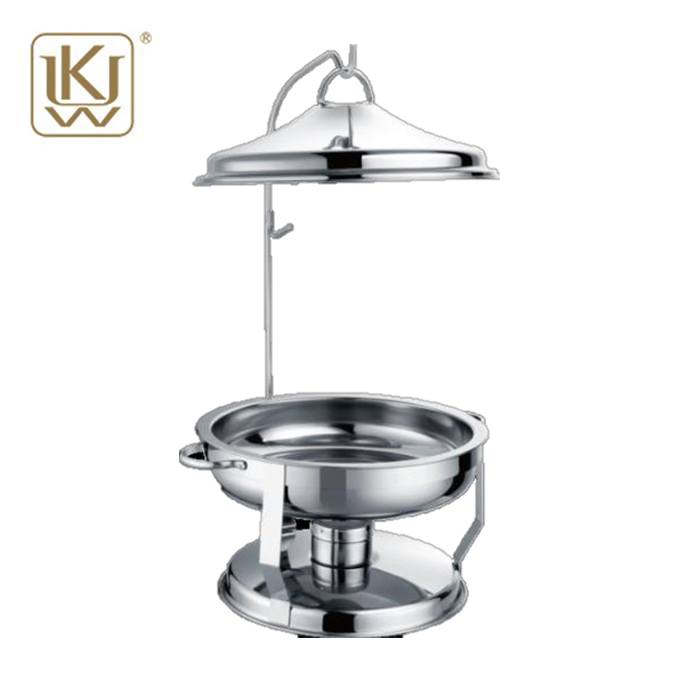
A standard chafing dish warms a food pan using indirect heat. The most common designs use a heat source below a water pan. The water pan acts as a buffer that stabilizes temperature and protects food from harsh direct heat. This is why chafing dishes can hold food for long service windows without scorching, as long as the water level and heat level are managed.
Common chafing dish setups include:
Fuel chafers using gel or wick fuel
electric chafing dishes using controlled heating elements
Induction-compatible systems that pair with induction warmers
The operating principle is the same: steady, moderate heat with moisture control and safe serving access.
Different menus and service styles benefit from different formats.
Full-size pans for high-volume items
Best for main dishes, rice, pasta, and proteins at banquet scale.
Half and fractional pans for variety
Useful for sauces, sides, vegetables, and mixed buffet layouts.
Roll-top and hinged lids for self-service
Helps reduce heat loss and improves line flow.
Lift-off lids for staff service lines
Simpler and often faster when a server controls portioning.
If you manage multiple venues or repeat events, standardizing pan sizes and lid style across your line makes training and refill workflow easier.
Chafing dish performance depends on setup order. If you rush or skip steps, you usually get two problems: food cooling down in the pan and food drying out during holding.
A reliable setup sequence:
Choose a stable, heat-safe surface
Keep the chafer level and away from drafts that disrupt heat.
Assemble the frame and place the water pan
Confirm the water pan sits correctly and does not wobble.
Add hot water to the water pan
Use hot water, not cold. Starting with hot water reduces warm-up time and stabilizes holding sooner.
Light the fuel or turn on power only after water is in place
Heating an empty water pan risks discoloration and warping.
Preheat the system before inserting food
Give the chafer time to reach a stable holding condition.
Insert the food pan only after food is already hot
Chafing dishes are not meant to bring cold food up to safe serving temperature.
This sequence reduces time-to-service and improves food quality during the first portion of the event.
A chafing dish maintains temperature, but it does not replace proper cooking and hot holding practice. Food should be cooked and heated through before it enters the chafer.
Practical standard:
Load food into the chafer at serving-hot temperature, not warm.
Avoid placing chilled or partially heated product into the pan and expecting the chafer to finish it.
Refill using hot backup pans whenever possible so the service pan stays stable.
For events, the most consistent approach is using a back-of-house hot holding cabinet or warming oven, then rotating hot pans into the buffet line on a schedule.
The water pan is the stabilizer. When the water level drops too low, heat becomes harsh and uneven. That is when food dries out and the bottom layer overcooks.
Good water management habits:
Start with hot water and fill to a proper level so the water pan can buffer heat.
Check the water level on a fixed schedule during service.
Refill carefully to avoid splashing into food.
Never allow the water pan to run dry while fuel is burning or the heater is on.
For long service windows, assigning one staff member to monitor water and fuel can prevent most buffet quality issues.
Fuel chafers are simple, but heat control is still necessary. Too much heat dries food and creates thick surface crusts. Too little heat lets food temperature drift downward.
Fuel management principles:
Use the number of fuel cans recommended for your chafer size and design.
Position fuel directly under the center of the water pan for even heating.
If food is drying, reduce heat by using fewer burners or adjusting airflow if your model allows.
Replace fuel safely and never refill fuel cans near open flame.
For delicate foods like fish, creamy sauces, and eggs, moderate heat and consistent water levels are especially important.
Drying out is the most common complaint with chafing dishes, and it usually comes from excessive heat, low water, or overly long holding.
Control methods that actually work:
Choose the right pan depth
Deeper food depth reduces surface exposure and slows drying.
Keep lids closed between servings
Each open lid releases heat and moisture.
Stir foods that separate or form skins
This helps maintain texture and temperature consistency.
Hold sauces with moisture support
Creamy sauces perform better with stable, moderate heat rather than aggressive burners.
Refill by swapping pans, not topping off endlessly
Old product left in a pan for too long becomes over-reduced and changes flavor.
For premium presentation, keep backup pans ready and rotate more frequently instead of holding one pan for the entire event.
A chafing line runs best when refilling is predictable.
A practical workflow:
Use a backup hot holding area with preheated pans.
Refill when the pan reaches about one-third volume, not when it is almost empty.
Swap the entire pan if possible, rather than mixing new product into old.
Wipe rims and keep ladles or tongs in a clean, consistent position.
This approach keeps food fresher and reduces the risk of temperature swings.
Correct shutdown prevents stains, odors, and long-term wear.
Shutdown steps:
Turn off heat or extinguish fuel before removing pans.
Let the unit cool slightly before draining water.
Remove pans and wash with warm water and appropriate non-abrasive tools.
Dry all parts thoroughly to prevent water spots and storage odor.
Inspect hinges, handles, and frames so issues are caught before the next event.
If your operation runs frequent events, set a consistent cleaning checklist and storage method so components do not get lost or damaged.
| Problem During Service | Likely Cause | Practical Fix |
|---|---|---|
| Food dries out | Too much heat, low water, lid left open | Reduce heat, refill water, keep lid closed |
| Food not hot enough | Cold food loaded, insufficient preheat | Load hot food, preheat longer, use backup hot pans |
| Bottom layer overcooks | Water pan ran low or dry | Maintain water level, use gentler heat |
| Excess steam and sogginess | Too much moisture trapped for crispy items | Hold crispy items separately, vent briefly if needed |
| Uneven temperature | Fuel placement off-center | Center burners, stabilize water level |
To use chafing dishes properly, treat them as hot-holding equipment, not cooking equipment. Start with fully heated food, preheat the chafer with hot water in the water pan, use steady controlled heat, and monitor water and fuel on a schedule. Keep lids closed, stir when needed, and rotate pans instead of holding one pan for too long. When you manage heat and moisture correctly, chafing dishes keep food safe, attractive, and consistent through the entire service window.
To explore more chafing dish styles, capacities, and serving formats, please browse UKW’s chafing dish range. If you want help selecting the right setup for your buffet line, menu type, or event frequency, contact us with your use scenario. UKW can provide practical guidance, stable supply support, and specification recommendations for your operation.
Previous: How To Choose Stockpot Size for Soup?
Next: What Is GN Pan Size?