kelley@u-kitchenwares.com
+86-15819924651
+86-0750-3719388

A grill pan is designed to give you grill-style sear marks and concentrated browning on a stovetop, while keeping food slightly lifted above rendered fat and juices. To use one properly, you need to manage three variables that decide results: heat control, surface preparation, and timing. When those are right, a grill pan can produce crisp edges, clear grill lines, and clean flavor without drying food out or sticking. This guide walks through best-practice steps for daily cooking and high-frequency kitchen use, based on the real behavior of ridged cooking surfaces. For more product details, see the UKW griddle pan.
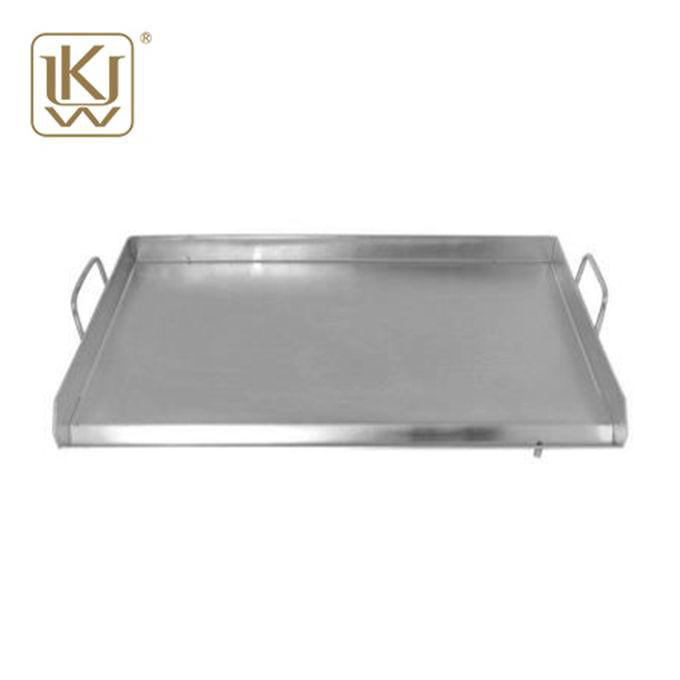
Unlike a flat skillet, a grill pan concentrates contact on raised ridges. Those ridges create the signature sear lines and allow some fat and moisture to fall into the channels, reducing surface steaming. The trade-off is that you have less total contact area, so you must preheat well and avoid moving food too early. Grill pans also respond strongly to small heat changes. Too low and you get pale marks and sticking. Too high and you scorch the ridges before the interior cooks.
A proper workflow is not about maximum heat at all times. It is about stable, controlled heat that browns the outside while letting carryover heat finish the inside.
The best heat setting depends on what you are cooking, its thickness, and whether it contains sugar or marinades that burn easily. Most grill-pan cooking works best at medium to medium-high, after a thorough preheat. Very high heat can work for thin cuts, but it raises the risk of smoke, harsh char flavor, and residue buildup that makes the next batch stick faster.
Use this table as a practical starting point, then adjust based on your stove power and pan size.
| Food Type | Ideal Preheat | Main Heat Level | Key Goal |
|---|---|---|---|
| Steak 2–3 cm thick | Strong, steady | Medium-high | Deep sear, controlled finish |
| Chicken breast | Strong, steady | Medium | Brown outside, avoid drying |
| Fish fillet | Moderate | Medium | Clean release, minimal tearing |
| Vegetables | Strong | Medium-high | Fast browning, light char |
| Burgers | Strong | Medium-high | Crisp crust without flare-ups |
| Marinaded items | Moderate | Medium | Reduce burning on ridges |
Preheating is the most common reason grill pan results vary. A grill pan needs time for the ridges to reach an even temperature. If you add food too early, it sticks and releases uneven moisture, which turns into residue on the ridges.
A reliable preheat routine:
Place the grill pan on the burner dry.
Heat at medium for several minutes until the pan is evenly hot.
Add a thin film of high-smoke-point oil to the food, not the pan, for more controlled coverage.
Let the pan recover heat briefly before placing the first piece of food.
For high-volume cooking, avoid frequent full cool-down cycles. Steady batch rhythm reduces sticking and maintains consistent browning.
Clean grill marks require a dry surface and consistent contact. Excess surface water causes steaming, and thick wet marinades can burn on ridges before the interior is ready.
Best preparation practices:
Pat proteins dry before seasoning.
Apply oil lightly and evenly to the food surface.
Use salt and pepper early for steaks, but add sugar-based sauces later in the cook.
Bring thicker cuts closer to room temperature for more even cooking.
Trim overly thick fat caps that can smoke heavily on ridges.
For vegetables, cut to consistent thickness so contact and timing stay predictable.
Once food hits a grill pan, the first minute matters most. Pressing, dragging, or flipping too early tears the surface and prevents proper browning. Place each piece down with intention and leave it until it naturally releases.
Practical placement tips:
Lay items at a slight angle to ridges for wider, more visible marks.
Leave small gaps between items to avoid trapped steam.
Cook in batches rather than overcrowding.
Flip once for most items, then finish on the second side.
If you want crosshatch marks, rotate the food 45 degrees halfway through the first side, then flip and repeat. Only do this when the surface has already set and releases cleanly.
Grill pans are excellent at separating food from rendered fat, but the channels still accumulate hot oil and drippings. That is where smoke and flare-like bursts can happen on a stovetop.
To keep cooking clean:
Use moderate oil, then add more only if needed.
Trim excess external fat on meats.
Pour off accumulated hot fat carefully between batches when appropriate.
Keep ventilation strong, especially for high-heat searing.
Avoid burning residue by reducing heat if you notice dark buildup on ridges.
For kitchens that run grill-pan cooking frequently, establishing a repeatable cleaning cycle between service periods keeps performance stable and extends service life.
Because a grill pan sears with less contact area than a flat pan, thick foods often need a two-stage approach: sear on the ridges, then finish gently.
A practical approach:
Sear each side until marks are strong and the surface releases.
Reduce heat slightly for thick cuts, or finish in a controlled oven if your workflow supports it.
Rest meat after cooking so juices redistribute and carryover heat completes doneness.
For fish and delicate proteins, lower heat and patience matter more than aggressive searing. A clean release is your signal to flip.
Sticking is often a maintenance issue, not a cooking skill issue. Residue baked onto ridges creates a rough surface that grabs the next batch.
A proper cleaning workflow:
Let the pan cool slightly, not fully cold.
Remove excess grease from channels.
Use warm water and a non-abrasive brush that can reach between ridges.
Avoid harsh metal scraping that damages surface finishes.
Dry completely to prevent water spots and storage odors.
Apply a very light protective oil wipe if your pan material benefits from it, then store dry.
For commercial-grade usage, consistent cleaning is the difference between predictable release and daily frustration.
Pale marks and sticking
Preheat longer and keep heat stable. Oil the food lightly and avoid moving it early.
Bitter, burnt flavor
Lower the heat and reduce sugar-based marinades during searing. Clean ridges more thoroughly.
Steaming instead of grilling
Do not overcrowd. Pat ingredients dry and cook in batches.
Uneven marks
Ensure the pan is level and preheated evenly. Use consistent thickness cuts.
Excess smoke
Use less oil, trim fat, and avoid max heat for long periods.
These fixes usually solve the problem without changing recipes.
A good grill pan should heat evenly, maintain stable temperature, and have ridges shaped for effective contact without being too sharp. It should also be easy to clean between ridges and durable enough to stay flat under regular heating cycles. For operations that need consistent output across multiple kitchens, selecting a standardized model simplifies training and keeps results uniform across stations. UKW supports bulk order supply and can help align specifications for different project requirements.
Using a grill pan properly comes down to controlled heat, thorough preheating, dry and lightly oiled ingredients, and resisting the urge to move food too soon. When you place food confidently, let it release naturally, and keep ridges clean between batches, you get strong grill marks, better browning, and cleaner flavor with less mess. For cookware planning or kitchen standardization, a well-designed grill pan also improves consistency and speed during service.
Need help choosing the right grill pan setup for your menu, stove type, or production flow? Reach out to UKW with your use scenario. We can share practical guidance, recommend suitable options from our griddle pan range, and support product selection for ongoing supply and OEM/ODM requirements.