kelley@u-kitchenwares.com
+86-15819924651
+86-0750-3719388

For most households, cooking with stainless steel pots is considered a safe and practical choice. Stainless steel is widely used in kitchens because it is durable, corrosion-resistant, and stable at typical cooking temperatures. The key to keeping it a healthy option is choosing a well-made pot, using it correctly with heat and cleaning, and understanding a few situations where extra caution helps.
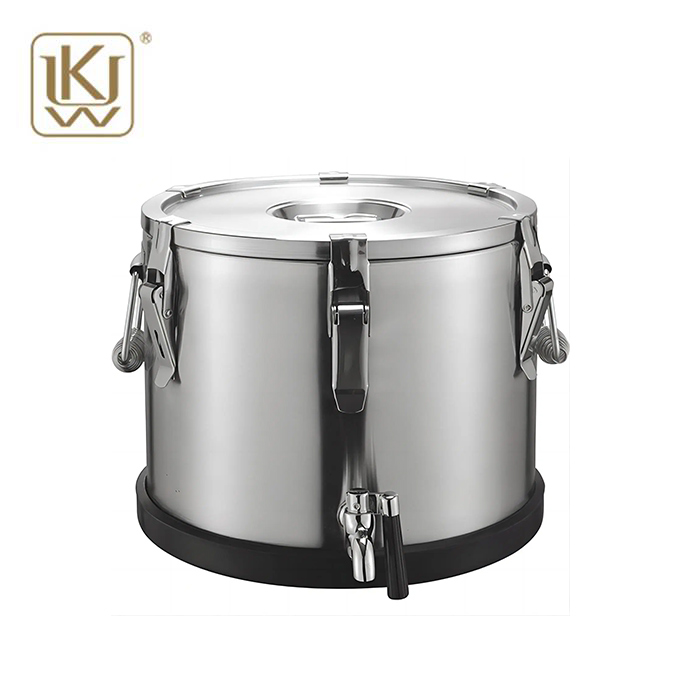
UKW focuses on stainless steel cookware designed for daily cooking and long service life, including barrel-style pots for boiling, simmering, and batch cooking. You can see the product referenced in this guide here: stainless steel barrel.
Stainless steel is an alloy that resists rust and staining because it forms a thin protective surface layer when exposed to oxygen. In cookware, this matters for health and usability because a stable surface helps prevent corrosion products from transferring to food during normal cooking.
In practical kitchen terms, stainless steel is valued for:
Heat tolerance for boiling, sautéing, and long simmers
Structural strength that resists warping and denting
A smooth surface that can be cleaned thoroughly
Compatibility with many foods, including proteins and vegetables
Stainless steel cookware is also common in professional kitchens because it handles frequent washing, high heat cycles, and repeated use without relying on fragile coatings.
Most health questions about stainless steel pots come down to one topic: metal transfer from the pot into food. Small amounts of metals can migrate into food during cooking, especially when the food is acidic, the cooking time is long, or the pot is brand new. In most everyday cooking scenarios, the levels are generally low.
The practical factors that increase metal transfer are:
High acidity foods such as tomato sauces, vinegar-based dishes, or citrus-heavy braises
Long simmer times, especially multiple hours
New cookware that has not been used a few times yet
Scratched or heavily worn surfaces where corrosion resistance is reduced
For most people, this is not a daily concern. Stainless steel is used globally for food-contact equipment because it stays stable in routine cooking and is easy to keep clean.
Stainless steel cookware supports healthy cooking mainly because it is not a reactive surface in typical use and it does not rely on chemical nonstick coatings. That can be valuable for people who want cookware that stays consistent under high heat and repeated washing.
Stainless steel can be a strong choice when you want:
A pot that handles boiling and simmering without surface breakdown
A material that tolerates metal utensils better than coated pans
A surface that can be cleaned to a high level without trapping residue
Long product life so you replace cookware less often
For soups, pasta, grains, stocks, braises, and batch cooking, a stainless steel pot is one of the most straightforward materials to maintain across years of use.
There are two situations where people may want to be more careful.
Some stainless steel grades contain nickel, which helps corrosion resistance and shine. People with strong nickel allergy or nickel sensitivity sometimes prefer cookware options that minimize nickel exposure. This does not mean stainless steel is unsafe for everyone, but it can be relevant for a small group of users.
Practical adjustments can help:
Reduce long cooking of highly acidic foods in stainless steel
Rotate cookware types for acidic recipes if sensitivity is a concern
Avoid storing acidic leftovers in the pot for long periods
If a pot has deep pitting, heavy rust, or persistent rough spots that do not clean away, it is no longer performing as intended. Corrosion increases the chance of off-flavors and metal transfer. A pot in that condition should be repaired if possible or replaced.
Healthy use is mostly about simple habits that protect the surface and prevent overheating.
For boiling and simmering, moderate heat is enough once the pot reaches a boil. Overheating an empty pot can discolor the surface and create stubborn residues that require aggressive cleaning.
For boiling water, add salt after the water is hot or boiling and stir until dissolved. This reduces the chance of salt sitting on the bottom and contributing to surface spotting.
Cooking acidic food is fine for most users. Long storage of acidic leftovers in the pot can increase metal transfer and can affect taste.
Use a non-scratch scrubber for routine cleaning. For stuck-on residue, simmer water in the pot for a few minutes, then clean. If discoloration appears, mild acid cleaning with vinegar and thorough rinsing is often enough.
Chlorine-based products can damage stainless steel surfaces when used incorrectly, especially with long soaks. If disinfection is needed, follow safer dilution and contact-time practices and rinse thoroughly.
Health and durability are linked here. A better-built pot keeps its surface stable longer and resists warping, which helps maintain even heating and reduces hot spots that burn oils and create residue.
Use these checks when selecting a pot:
Material grade suitable for cookware and food contact
Solid build and stable base to reduce warping and uneven heating
Smooth interior finish for easy cleaning and less residue hold
Strong handles and rivets or welds that stay tight under load
Size that fits your most common cooking volumes so you do not overcrowd the pot
If you cook for families or do batch cooking, a barrel-style pot can be efficient because it supports larger volumes with stable simmer performance. This is one reason many kitchens choose barrel pots for soups, stocks, noodles, and large-portion prep.
UKW designs stainless steel cookware to support consistent daily cooking, easy cleaning, and long service life. The stainless steel barrel is built for repeated boiling and simmering tasks where stable structure and cleanable surfaces matter. A pot that stays structurally stable and easy to maintain helps users cook more consistently while reducing the need for harsh cleaning.
For commercial-grade procurement teams and wholesale sourcing, consistency matters as much as material. UKW supports reliable production and stable quality so buyers can plan repeat orders and keep performance aligned across batches.
Cooking with stainless steel pots is generally considered healthy for most people, especially when the cookware is well-made, used with reasonable heat control, and kept clean. Small metal transfer can occur, mainly with long, highly acidic cooking or heavily worn surfaces, but everyday use is typically low-risk. People with strong nickel sensitivity may choose extra precautions for acidic recipes, and any pot with significant corrosion should be replaced.
UKW stainless steel barrel pots are designed for durable, repeatable cooking performance and practical maintenance, supporting both home kitchens and larger-volume cooking needs. If you would like to learn more about stainless steel cookware, please contact us.