kelley@u-kitchenwares.com
+86-15819924651
+86-0750-3719388

Frying in a stainless steel pan can deliver crisp edges, clean browning, and excellent flavor development, but it requires the right technique. Most sticking, uneven searing, and smoky oil problems come from two issues: the pan was not preheated correctly, or the food was added before the oil formed a stable cooking layer. Once you understand heat control, oil behavior, and timing, stainless steel becomes one of the most reliable tools for frying proteins and vegetables with consistent results.
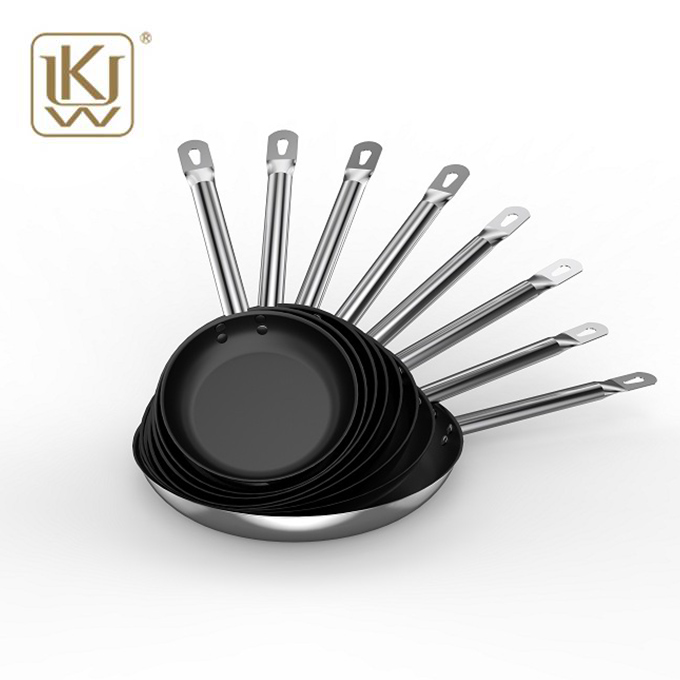
UKW designs stainless steel cookware for real daily cooking where heat control, durability, and easy cleaning matter. If you want to see the pan referenced in this guide, visit the stainless steel frying pan.
Stainless steel is not nonstick. It relies on proper preheating to reduce sticking and improve browning. When the pan reaches the right temperature, the surface becomes more stable for oil, and food is less likely to bond tightly to the metal.
A practical preheat method that works on most stovetops:
Place the empty stainless steel pan on medium heat
Let it heat for 2 to 4 minutes depending on pan thickness and burner power
Add a small drop of water to test heat, it should bead and glide rather than evaporate immediately
Remove any remaining water before adding oil
If the water droplet evaporates instantly with a harsh sizzle, the pan is usually too hot for controlled frying. Reduce heat slightly and wait 30 to 60 seconds before adding oil. Controlled preheat improves sear quality and helps food release once the crust forms.
Oil is not only a lubricant. It is the heat-transfer layer that carries energy from metal to food. In stainless steel, oil needs to heat until it becomes fluid and glossy. This is the point where it spreads easily and supports even browning.
Guidelines for oil use:
Use enough oil to create a thin, continuous film across the surface
After adding oil, tilt the pan so the bottom is evenly coated
Heat the oil until it shimmers and moves quickly when you tilt the pan
If oil starts smoking, remove the pan from heat and let it cool slightly before continuing
For shallow frying, use a slightly deeper oil level so food can maintain contact with consistent heat. For pan-frying and searing, a thin film is usually enough when the pan and oil are properly heated.
Wet surfaces cause two problems in stainless steel frying: they encourage sticking and they create oil splatter. Moisture also slows browning because the pan energy is used to evaporate water before the crust develops.
Steps that consistently improve results:
Pat proteins and vegetables dry with a clean towel
Salt proteins ahead of time so surface moisture is minimized
Let cold food rest at room temperature briefly so it cooks more evenly
Avoid overcrowding, which traps steam and prevents browning
For chicken, fish, and tofu, a dry surface and steady heat will create a crust. Once that crust forms, food releases more easily from stainless steel without forcing it.
Most stainless steel frying problems come from heat that is too high or too low. Too high leads to burnt oil and uneven searing. Too low leads to sticking, pale surfaces, and excess oil absorption.
Practical heat targets by food type:
Eggs and delicate fish
Use medium-low heat and a smaller amount of oil. Let the pan preheat gently, then cook slowly so proteins set without tearing.
Chicken cutlets, pork chops, steak
Use medium to medium-high heat. Preheat properly, add oil, and let the surface brown before flipping.
Vegetables and stir-fry style frying
Use medium-high heat with enough oil to coat. Keep pieces dry and cook in batches to avoid steaming.
If you notice rapid smoke or black residue forming, lower heat immediately. If food stays pale and watery, heat is likely too low or the pan is overcrowded.
Many people flip too early. In stainless steel, you need to give the crust time to develop. The crust is what releases the food from the surface.
A simple timing rule:
Place food in the pan and do not move it for the first minute
Watch for edges to turn opaque and the surface to brown
Gently test with a thin spatula, if resistance is strong, wait longer
Flip only when the food releases with light pressure
For proteins, forcing a flip pulls the surface apart and leaves stuck bits. Waiting allows the Maillard browning layer to form, which improves both flavor and release behavior.
One major advantage of stainless steel is fond, the browned bits left after frying. Fond can turn into an excellent pan sauce, but it can also burn if heat is uncontrolled.
How to use fond effectively:
After flipping or removing food, lower heat to medium
Add aromatics such as garlic or shallot if desired, stir briefly
Deglaze with a small amount of liquid such as stock or wine
Scrape fond gently with a wooden tool while the liquid simmers
Reduce to desired consistency, then finish with butter or a small amount of oil
This method transforms stuck bits into flavor rather than cleanup. It also keeps the pan surface cleaner because fond is lifted before it carbonizes.
Stainless steel pans stay easier to fry with when residues are removed fully. Burnt oil and polymerized residue create rough patches that increase sticking and uneven heating.
A reliable cleaning approach:
Let the pan cool slightly, then add warm water
For stuck residue, simmer water for a few minutes to loosen
Use a non-scratch scrubber for daily cleaning
For rainbow discoloration, use mild acid such as vinegar and rinse
Dry fully to prevent water spots
Avoid harsh scraping that damages the finish. A clean, smooth surface improves the next cooking session because oil spreads evenly.
| Problem | Likely Cause | Fix That Works |
|---|---|---|
| Food sticks badly | Pan not hot enough or food flipped too early | Preheat longer, wait for release before flipping |
| Oil smokes fast | Heat too high or wrong oil | Lower heat, use oil with higher smoke tolerance |
| Pale, soggy surface | Overcrowding or low heat | Cook in batches, raise heat slightly |
| Excess splatter | Food surface too wet | Pat food dry, reduce moisture before frying |
| Burnt residue | Oil overheated or fond burned | Control heat, deglaze before fond darkens |
A stainless steel pan performs best when heat distribution is stable and the cooking surface supports consistent oil behavior. UKW focuses on stainless steel cookware that matches these real cooking needs, supporting consistent browning, reliable daily use, and practical cleaning.
For commercial buyers and project buyer teams sourcing cookware sets, consistent quality and stable production matter. UKW supports scalable supply for bulk order needs, helping ensure cookware performance remains consistent across repeated deliveries. You can review the product here: stainless steel frying pan.
To fry successfully in a stainless steel pan, focus on three foundations: correct preheating, oil at the shimmer stage, and patience before flipping so the crust forms and food releases naturally. Keep food surfaces dry, use the right heat level for the ingredient, and cook in batches to maintain browning. Stainless steel rewards good technique with clean sear, crisp texture, and the option to build pan sauces from fond.
UKW stainless steel frying pans are designed for durable daily cooking and stable performance, helping home cooks and sourcing teams achieve consistent results without relying on delicate coatings. If you would like to learn more about bulk customization options for stainless steel frying pans, please feel free to contact us.